Copenhagen is a city that rewards staying well.
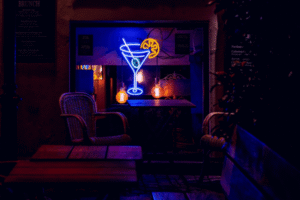
The hotel scene here reflects everything the city is known for: Nordic design intelligence, sustainability taken seriously rather than as a marketing position, food and drink culture that rivals the best restaurants in the world, and an approach to hospitality that manages to feel warm without ever feeling fussy. The best hotels in Copenhagen are often the most personal – small-scale properties run with genuine intent, where the TATA cocktail bar has won awards, and the breakfast is served without a menu, allowing you to order whatever you want.
This guide covers the finest hotels in Copenhagen across every register, from the city’s most storied luxury addresses to the design-forward newcomers reshaping the scene.
Key Takeaways
- Copenhagen’s hotel scene divides broadly between the grand luxury properties near Tivoli and Nyhavn, the design-forward boutique hotels of the Latin Quarter and city centre, and the newer waterfront and neighbourhood hotels in areas like Nordhavn and Carlsberg.
- Hotel Sanders, Nimb, and Hotel d’Angleterre are the three names most consistently cited by design-conscious travellers as the city’s finest.
- Several of Copenhagen’s best hotels are part of the Brøchner Hotels group – a B Corp-certified Danish hotel company with properties that are genuinely among the most considered in the city.
- Rooms in Copenhagen are compact by American or Asian standards; even luxury hotels tend towards intimate, considered spaces rather than large-scale apartments.
- Copenhagen’s neighbourhoods each have a distinct character – the right hotel depends as much on where you want to be as on what you want the room to look like.
The Grand Addresses
Hotel Sanders
Hotel Sanders is the standard by which Copenhagen’s boutique luxury hotels are now judged.
Created by Danish ballet designer Alexander Kølpin in three converted townhouses near the Royal Danish Theatre, it combines the retro glamour of mid-century Danish design with Karen Blixen-era colonial warmth in a way that feels entirely coherent rather than eclectic. Soft leather, woven rattan, fireplace rooms, a winter garden on the fifth floor, and a TATA cocktail bar that has twice been named Best Bar in Denmark.
The rooms range from compact train carriage-style coupé rooms to full Copenhagen apartments. The breakfast has no menu – you simply say what you want. The service is warm, attentive, and unfailingly knowledgeable about the city.
52 rooms. Directly adjacent to Nyhavn. Five minutes from everything.
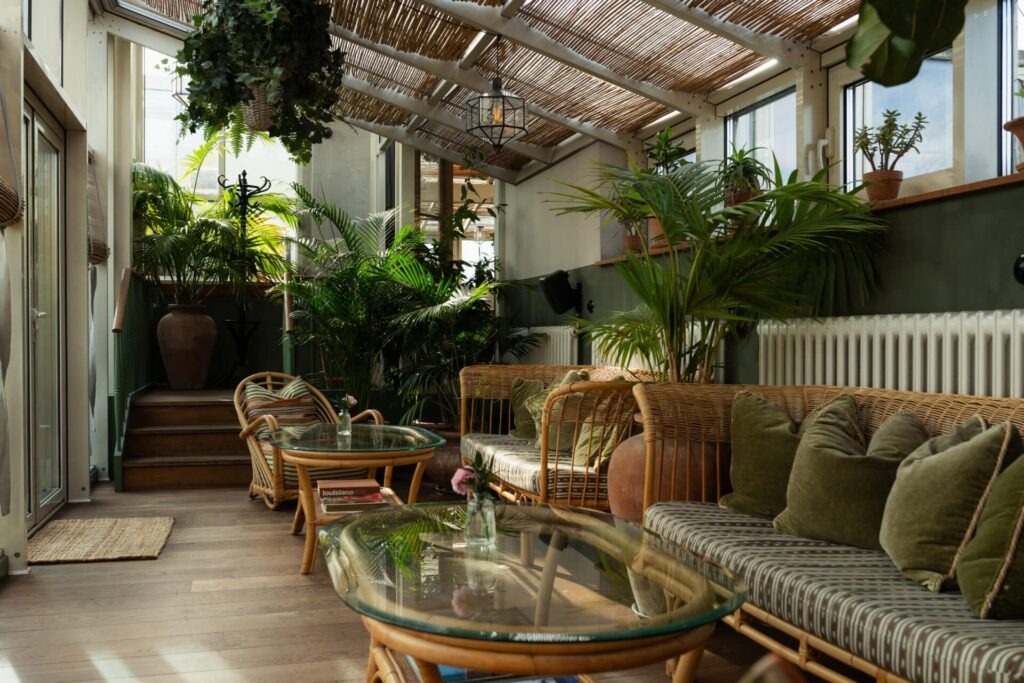
Credit: Hotel Sanders
Nimb Hotel
Inside Tivoli Gardens, the park that inspired Disneyland, sits Nimb Hotel, in one of the most improbable and most beautiful hotel locations in Europe.
The Moorish-inspired building dates from 1909 and was refurbished to its current extraordinary standard using Italian marble, Dinesen Douglas flooring, and materials chosen with the rigour of a restoration project rather than a renovation. 38 individually decorated rooms and suites, ranging from intimate to spectacular. A roof terrace with a pool. A wellness spa. Four different restaurants on site.
Staying at Nimb means waking up inside a working amusement park and spending evenings in one of the most theatrically beautiful buildings in Copenhagen. It is expensive, entirely worth it, and unlike anywhere else in the city.
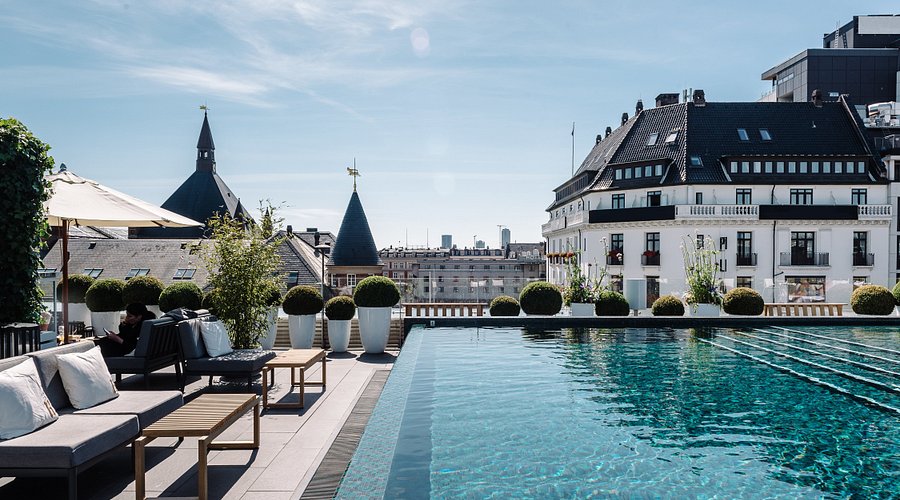
Credit: Tripadvisor
Hôtel d’Angleterre
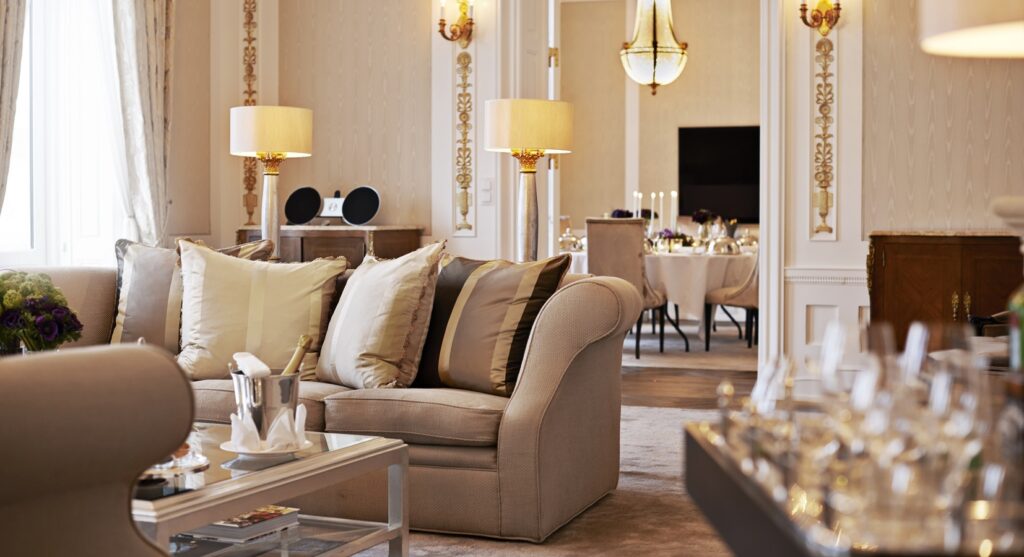
Hotel d’Angleterre on Kongens Nytorv is Copenhagen’s oldest and most storied luxury hotel. It sits in a neoclassical building dating from 1755 that has hosted royalty, writers, and heads of state for nearly three centuries.
The rooms and suites are grand in the classical sense: high ceilings, period detailing, views across one of Copenhagen’s finest squares. The spa, the pool, and the restaurant reflect the investment of a hotel that considers itself a heritage institution rather than merely a good address.
For visitors who want the full weight of Copenhagen’s royal and cultural history in a single hotel stay, d’Angleterre provides it with more conviction than anywhere else in the city.
Credit: The Hotel Guru
Villa Copenhagen
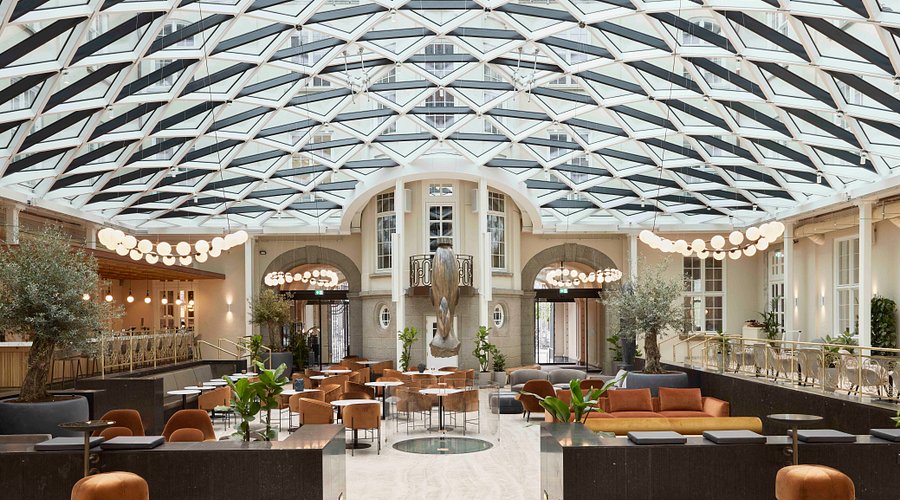
Housed in a beautifully restored 1912 Central Post Office building opposite Copenhagen Central Station, Villa Copenhagen is the city’s most striking example of adaptive reuse as luxury hospitality.
The glass-topped courtyard (a former postal sorting hall) is now the hotel’s central social space: a dramatic room of iron columns and natural light that functions as a bar, restaurant, and gathering point simultaneously. The rooms combine Nordic minimalism with genuine warmth, and the rooftop terrace with its outdoor pool is among the most coveted outdoor spaces in the city.
Villa Copenhagen strikes the balance between grand scale and boutique sensibility better than almost any comparable property in Copenhagen.
Credit: Tripadvisor
Design-Led Boutique Hotels
Nobis Hotel Copenhagen
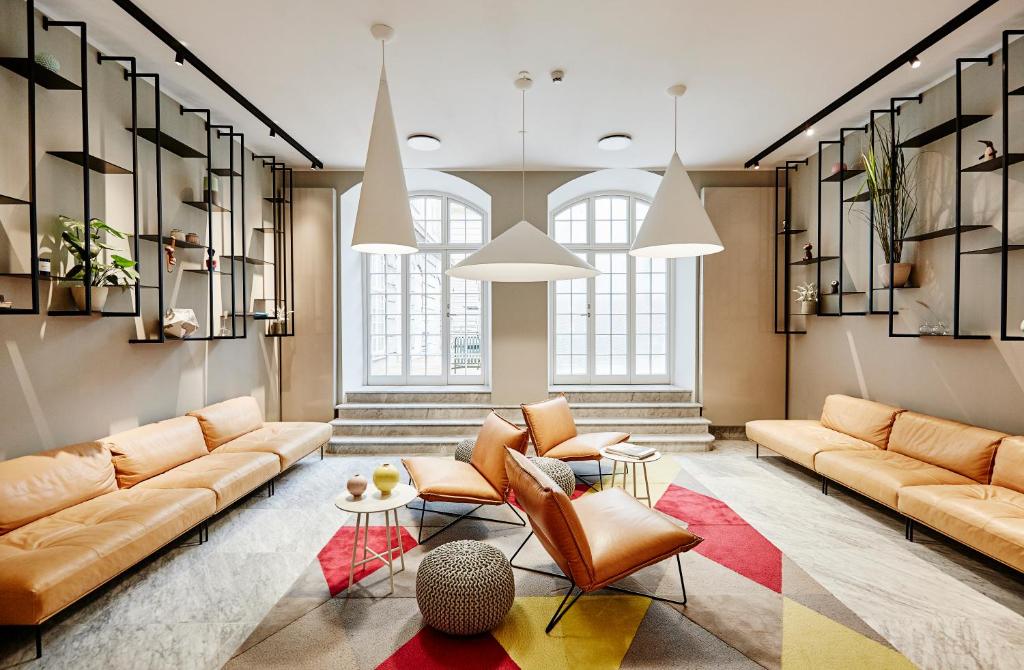
Nobis Hotel Copenhagen occupies the beautifully restored Royal Danish Conservatory of Music building – a neoclassical former institution transformed by Stockholm-based design studio Claesson Koivisto Rune into one of the most confident and quietly gorgeous hotel interiors in Scandinavia.
The public spaces feature Carrara marble, dark wood, and carefully selected mid-century furniture. The rooms are warm, serene, and meticulously considered. The Nobis Bar is a beautiful room that draws both hotel guests and Copenhagen residents.
Directly adjacent to Tivoli Gardens. One of the Condé Nast Traveller Readers’ Choice Awards’ most cited hotels in Copenhagen.
Credit: Booking.com
1 Hotel Copenhagen
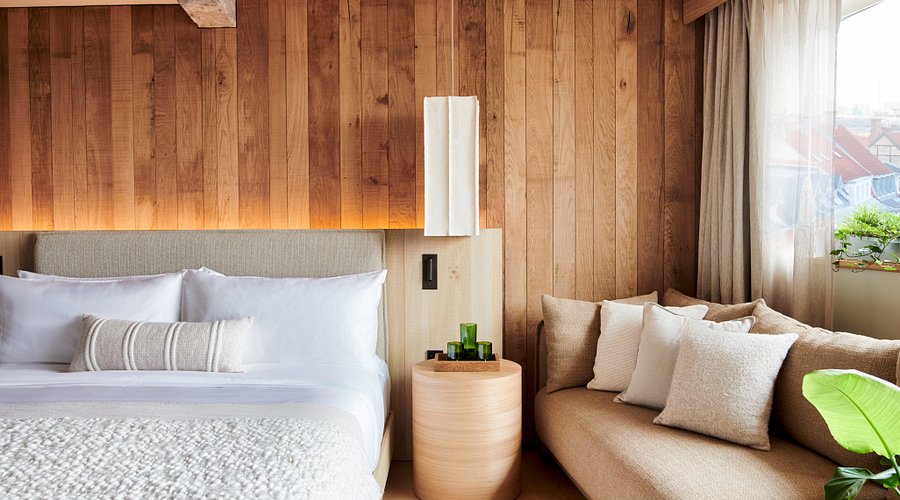
The most recent significant opening in Copenhagen’s luxury hotel scene, 1 Hotel Copenhagen, occupies a former 1960s department store reimagined with weathered wood, recycled materials, and exposed concrete that gives it the honest materiality the brand is known for globally.
Rooftop restaurant with herb gardens. Nordic spa treatments. A gym that reflects the hotel’s broader commitment to wellness without performing it. The rooms are pared back and deeply considered – warm rather than austere, sustainable without feeling evangelical about it.
1 Hotel Copenhagen is the first of the brand’s properties in Scandinavia and has integrated into the city’s design landscape with impressive naturalness.
Credit: Tripadvisor
Hotel Herman K
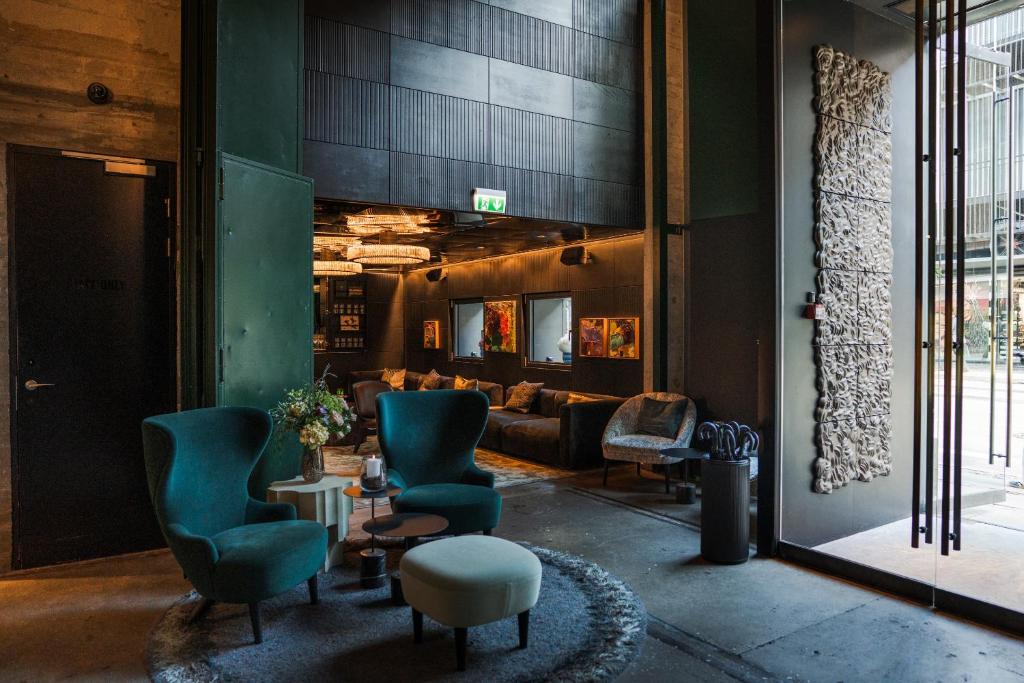
On the waterfront at the edge of Indre By, Hotel Herman K is one of Copenhagen’s newer boutique hotels. It’s a smaller, more intimate property with considerable personality and a waterfront bar that has become a genuine neighbourhood destination.
The interiors draw on the history of the building and the character of the surrounding harbour, with materials and details that feel specific to Copenhagen rather than generically Scandinavian. The service is personal in the way that only a small hotel can be.
Credit: Booking.com
SP34
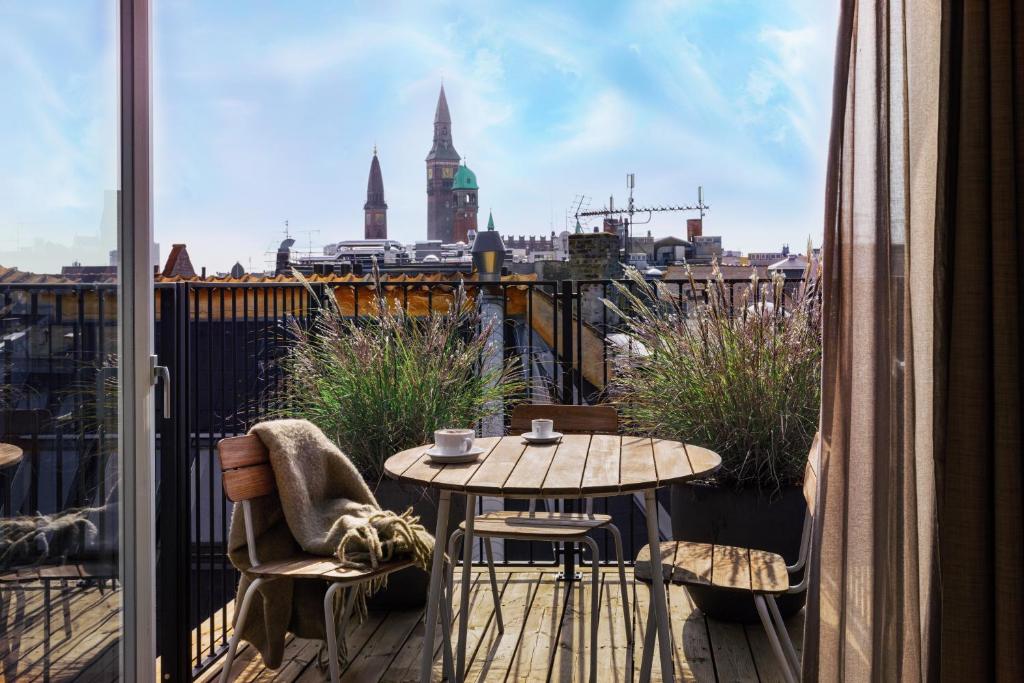
Brøchner Hotels’ SP34 in the Latin Quarter is the most consistently recommended design hotel in Copenhagen for visitors who want Scandinavian design credentials, a central location, and genuine warmth without the price tag of the city’s grandest addresses.
The interiors combine mid-century Danish furniture with contemporary materials in a way that references the city’s design heritage without replicating it. The rooftop bar and urban terrace are among the most pleasant outdoor spaces in central Copenhagen.
SP34 sits in the Latin Quarter. It’s one of the city’s most characterful and walkable neighbourhoods, with direct access to Strøget, the Round Tower, and the university district.
Credit: Boutique Hotel SP34
Hotel Hans
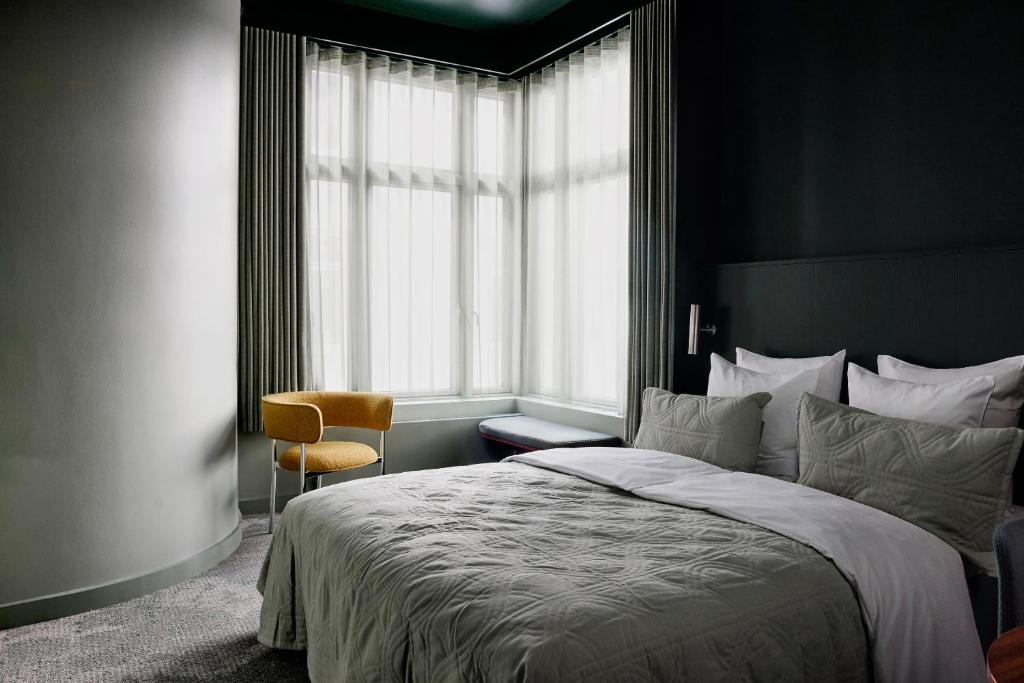
One of the most interesting recent openings from the Brøchner Hotels group, Hotel Hans brings a personality-forward boutique sensibility to a 1900 building in central Copenhagen.
Textured concrete, soft green tones, warm wood surfaces, and contemporary lighting create an interior that reads as crafted rather than designed. The public spaces feel like extensions of Copenhagen’s creative community that is always unhurried, material-conscious, and quietly excellent.
Credit: Booking
Manon Les Suites Guldsmeden
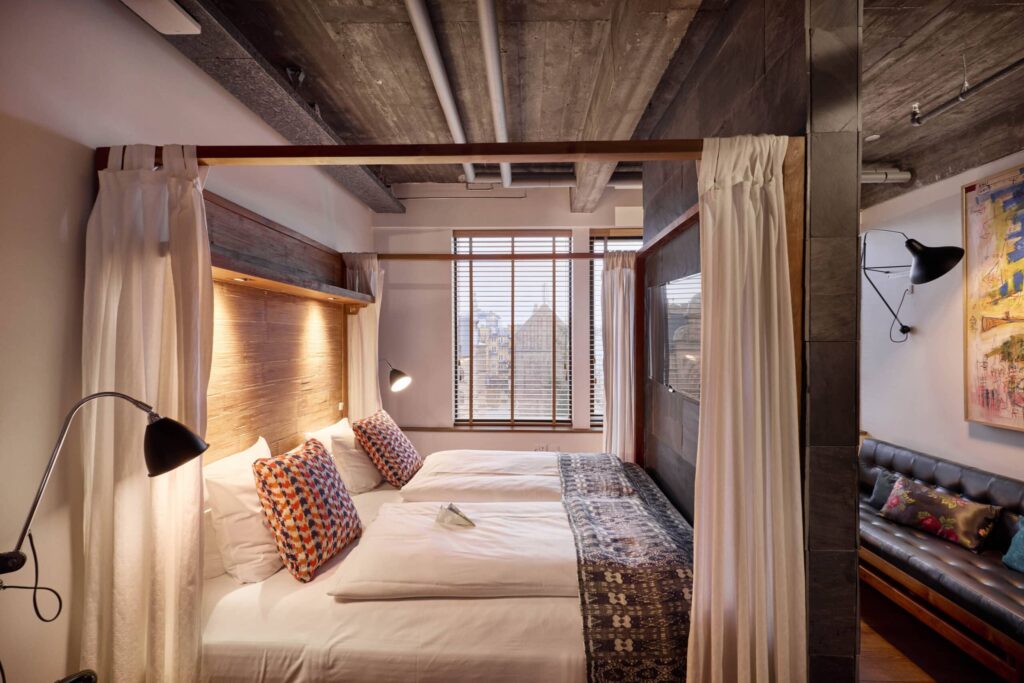
On Gyldenløvesgade in a leafy part of the city centre, Manon Les Suites Guldsmeden is the most bohemian and most resolutely sustainability-driven of Copenhagen’s major hotels – a five-star property that is also an adult pool, an organic breakfast of considerable quality, and a commitment to ecological materials that runs through every room.
The Guldsmeden group has been a pioneer of sustainable luxury hospitality in Denmark for decades. Manon is its most ambitious expression: lush, warm, personal, and entirely free of the corporate neutrality that most sustainable hotel marketing cannot escape.
Credit: Manon les Suites
Admiral Hotel
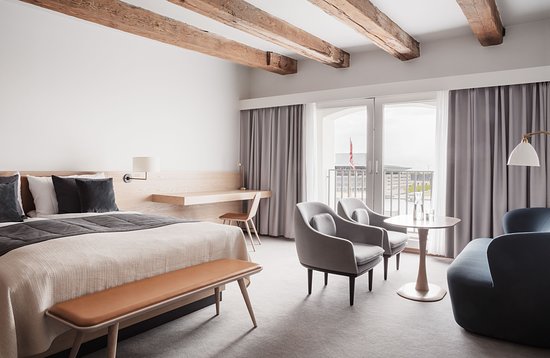
In a former 18th-century grain warehouse on the waterfront near Nyhavn, the Admiral Hotel combines the architectural drama of a listed industrial building with thick wooden beams, exposed brickwork, and vaulted ceilings, with a comfortable and well-maintained hotel experience.
The rooms are not designed forward in the way that the smaller boutique properties on this list are, but the setting is extraordinary and the location – directly on the water, a short walk from Nyhavn and Amalienborg Palace – is among the most atmospheric in the city.
The Admiral is the hotel most often recommended for visitors who want history and waterfront character at a less extreme price point than the city’s grand luxury addresses.
Credit: Tripadvisor
Neighbourhood Hotels
Hotel Ottilia by Brøchner Hotels
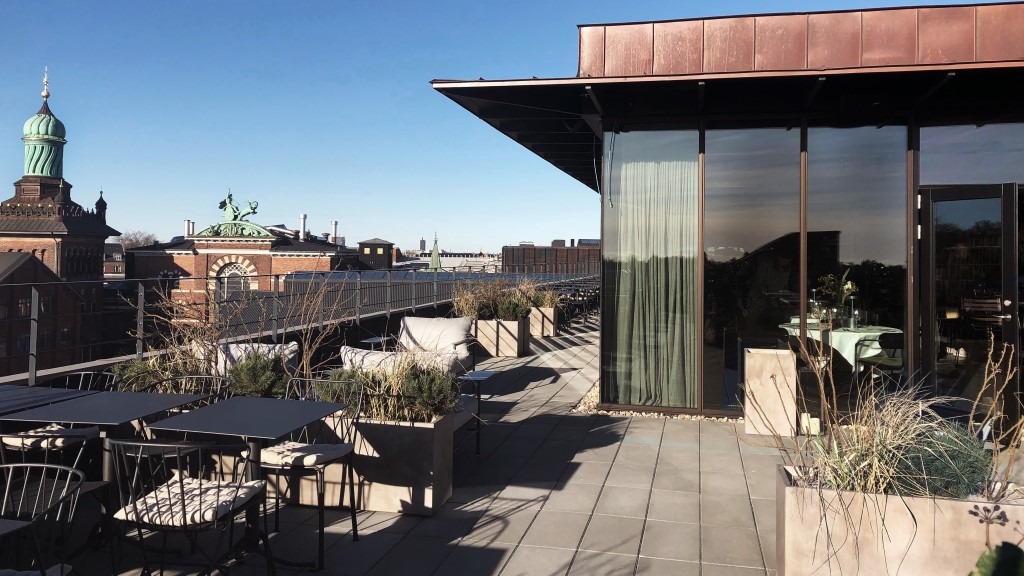
In the Carlsberg City District – the former brewery complex that is one of Copenhagen’s most ambitious and most successful urban regeneration projects – Hotel Ottilia occupies a beautiful historic building with views over the red-brick towers and the Elephant Gate of the old Carlsberg brewery.
The interiors reflect the neighbourhood’s character: craft, material honesty, and a warmth that suits a hotel in a neighbourhood that has been transformed from industrial to creative within the past decade. The rooftop restaurant is one of the more architecturally striking dining terraces in Copenhagen.
Credit: VisitCopenhagen
25Hours Hotel Indre By
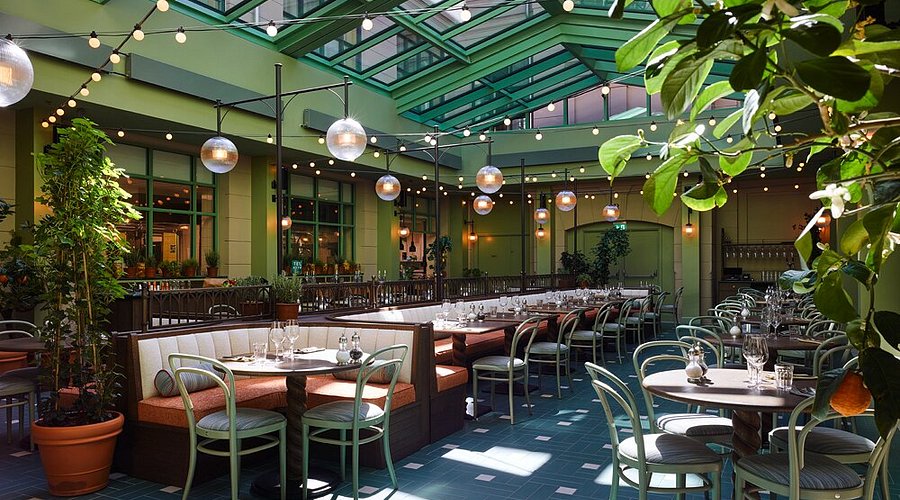
In a converted porcelain factory and university building near Nørrebro, 25Hours Hotel Indre By brings a colourful, layered, pop-culture-literate energy to a stretch of Copenhagen that is increasingly vibrant.
The design draws on the history of the building, its industrial past, and its academic incarnations, in a way that the 25Hours brand excels at: enthusiastic, specific, and entirely committed to a point of view. The public spaces are busy and social. The rooms are characterful and fun.
For visitors who find Copenhagen’s most celebrated hotels occasionally austere, 25Hours offers the alternative.
Credit: 25HOURS HOTEL INDRE BY
25Hours Hotel Paper Island
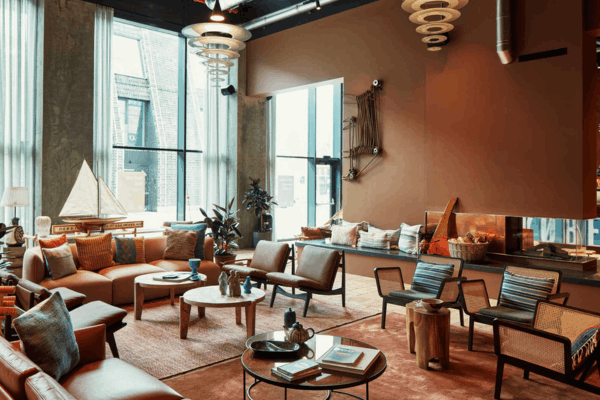
The second 25Hours property in Copenhagen occupies a distinctive position: a waterfront hotel on Papirøen (Paper Island) in the harbour, directly on the water between the city centre and Christianshavn.
The design references Copenhagen’s maritime and industrial heritage in a way that suits the location. The rooftop pool and bar in summer are exceptional. The neighbourhood is close to Christianshavn’s canals and the Opera House and gives the hotel a character that is entirely different from its city-centre sibling.
Credit: Union Investment Real Estate
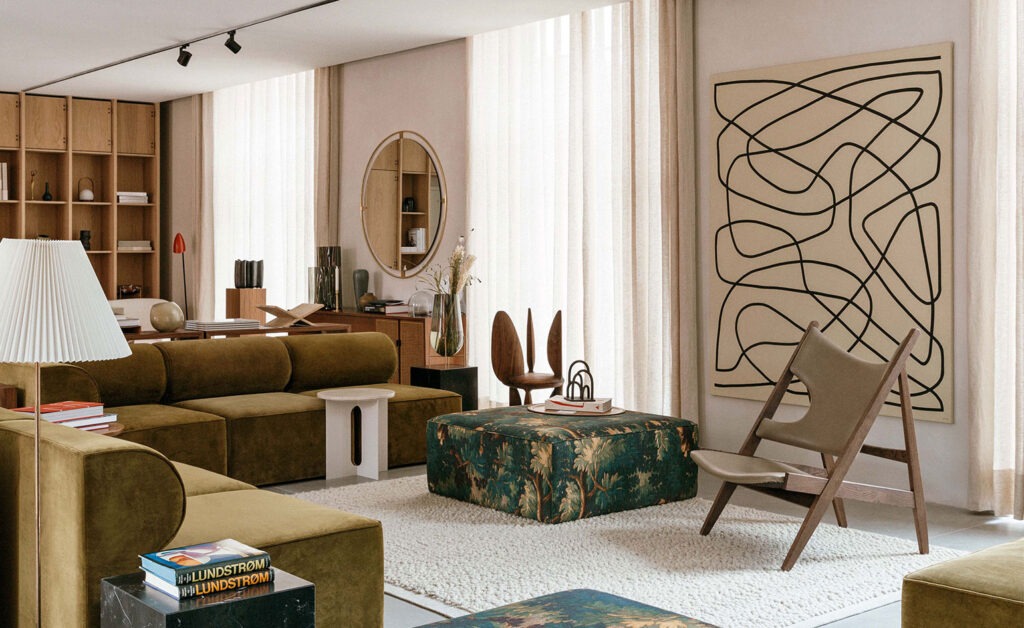
Hotel Audo
In Nordhavn, Copenhagen’s newest and most architecturally ambitious waterfront neighbourhood, Audo is a boutique hotel integrated into a creative campus that combines design studios, a gallery, and the celebrated restaurant Studio with its accommodation offering.
The hotel has only 11 rooms, all designed with the rigour of a design institution rather than the comfort-first logic of conventional hospitality. It is a genuinely unusual stay: intimate, design-focused, and embedded in a neighbourhood that is still finding its shape, which gives it a quality of discovery that more established addresses cannot provide.
Credit: Wallpaper*
Practical Notes for Booking Hotels in Copenhagen
Location matters more than it might seem. Copenhagen is compact and walkable, but the character of different neighbourhoods is distinct. The Latin Quarter, Indre By, and Nyhavn give immediate access to the historic city; Vesterbro and Frederiksberg are residential and creative; Nordhavn and Carlsberg are newer and more architecturally ambitious. The right hotel is the one whose neighbourhood suits the experience you want.
Book ahead for summer and December. June, July, and August are peak seasons. The Christmas market period in late November and December fills the city quickly, too. The best boutique hotels like Sanders, Nimb, or Manon, operate near capacity through both peaks.
Rooms are compact. Even at luxury price points, Copenhagen hotel rooms tend to be smaller than comparable hotels in larger European cities. Always check square footage if space is a priority.
Conclusion
The hotels in Copenhagen are, at their best, an expression of the same values that make the city itself so compelling: intelligence in design, seriousness about sustainability, warmth in hospitality, and a quiet but unshakeable sense of what good looks like.
Whether you stay in a converted Victorian post office with a glass-topped courtyard, a Moorish palace inside Tivoli Gardens, or an 11-room boutique hotel in a neighbourhood being built from scratch on the harbour, Copenhagen will make the choice feel right.
To experience Copenhagen’s design culture, food scene, and extraordinary city as part of a curated Nordic journey, discover our private Copenhagen tours.
FAQ
Is 3 days too long in Copenhagen?
Edinburgh has five Michelin-starred restaurants as of 2025. The city boasts one two-star restaurant (The Kitchin) and four one-star establishments including Restaurant Martin Wishart, 21212, Timberyard, and The Gardener’s Cottage. Scotland’s capital leads the country in Michelin recognition, showcasing innovative Scottish cuisine using locally-sourced ingredients. The number fluctuates annually with new Michelin Guide releases.
What are the best hotels to stay in Copenhagen?
The Kitchin, Edinburgh’s only two-Michelin-star restaurant, is widely considered the best. Chef Tom Kitchin’s “from nature to plate” philosophy showcases exceptional Scottish seasonal ingredients with French techniques. Restaurant Martin Wishart also receives high acclaim for refined modern French-Scottish cuisine. Both offer tasting menus around £100-150 per person. Timberyard and 21212 provide excellent one-star alternatives with creative, ingredient-focused menus.
How to sleep cheaply in Copenhagen?
Yes, Scotland has multiple Michelin-starred restaurants. Edinburgh leads with five starred establishments including two-star The Kitchin. Glasgow has several, including Unalome by Graeme Cheevers. Isle of Skye features three-Michelin-star Loch Bay and one-star Edinbane Lodge. Other Scottish starred restaurants include Andrew Fairlie at Gleneagles and various establishments across Perthshire, Highlands, and coastal regions showcasing Scotland’s exceptional seafood and local produce.
What are the nicest hotels in Copenhagen?
Must-eat Edinburgh foods include haggis with neeps and tatties, Scottish salmon, Cullen skink (smoked haddock soup), traditional fish and chips, and shortbread. Try black pudding, stovies, Scottish tablet, and Tunnock’s teacakes. Experience fine dining at Michelin-starred restaurants, traditional pubs serving hearty fare, street food at markets, and authentic afternoon tea. Don’t miss local craft beer and whisky.
What is the best area to stay in Copenhagen?
Must-eat Edinburgh foods include haggis with neeps and tatties, Scottish salmon, Cullen skink (smoked haddock soup), traditional fish and chips, and shortbread. Try black pudding, stovies, Scottish tablet, and Tunnock’s teacakes. Experience fine dining at Michelin-starred restaurants, traditional pubs serving hearty fare, street food at markets, and authentic afternoon tea. Don’t miss local craft beer and whisky.
What is the leading hotel in the world in Copenhagen?
Must-eat Edinburgh foods include haggis with neeps and tatties, Scottish salmon, Cullen skink (smoked haddock soup), traditional fish and chips, and shortbread. Try black pudding, stovies, Scottish tablet, and Tunnock’s teacakes. Experience fine dining at Michelin-starred restaurants, traditional pubs serving hearty fare, street food at markets, and authentic afternoon tea. Don’t miss local craft beer and whisky.