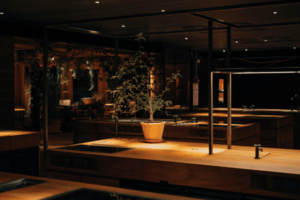
Copenhagen has quietly emerged as one of Europe’s most progressive cities for vegetarian and vegan dining. In a nation historically known for pork and dairy, the Danish capital now leads a green revolution where plant-based cuisine isn’t an afterthought. It’s an art form earning Michelin stars, critical acclaim, and devoted followings from vegans and omnivores alike.
From the Nordic region’s first vegan restaurant with a Green Michelin Star to cozy neighborhood bistros where vegetables take center stage, from raw food pioneers to modern eateries blending global flavors with Danish sensibility, Copenhagen’s vegetarian scene reflects a city deeply committed to sustainability, seasonality, and culinary innovation.
Whether you’re seeking fine dining that challenges perceptions of what plant-based food can be, casual cafés serving wholesome bowls and creative bites, or buffet-style abundance that celebrates Mediterranean flavors, Copenhagen delivers with characteristic Danish thoughtfulness, with quality over quantity, substance over spectacle, and ingredients treated with respect they deserve.
Key Takeaways
- Copenhagen leads Scandinavia in plant-based dining, with multiple Green Michelin Star restaurants
- The city’s vegetarian restaurants emphasize sustainability, local sourcing, and seasonal ingredients
- Options range from fine dining tasting menus to casual cafés and international cuisine
- Many restaurants feature foraged ingredients, zero-waste practices, and their own urban farms
1. ARK
ARK is the Nordic region’s first fully vegan restaurant to earn a Green Michelin Star, a distinction that signals not only environmental consciousness but also culinary excellence that transcends dietary labels. Located in central Copenhagen, this flagship of The Ark Collection has revolutionized what plant-based fine dining means in Scandinavia since opening in spring 2020.
The tasting menu shifts with seasons, built around ingredients foraged locally or sourced from their own mushroom farm, Funga Farm. Each dish arrives as a small revelation: familiar vegetables transformed through technique into something unexpected, global influences woven seamlessly into Nordic sensibilities, and flavors layered with the depth usually achieved through butter and cream but here created through ferments, seaweed, and pure skill.
The space itself embodies conscious design, sustainably produced furniture, a light Scandinavian aesthetic, and an atmosphere that feels elevated without being precious. Service strikes that rare balance of knowledgeable and welcoming, with staff who can explain both foraging techniques and the philosophy behind each course without lecturing or preaching.
Beverage pairings deserve special attention: natural and biodynamic wines, botanical non-alcoholic options, and cocktails that incorporate foraged ingredients and house-made vermouths from surplus wine. ARK has earned three sustainable circles from 360° Eat Guide, La Liste’s Innovation Award, and recognition from Condé Nast Traveler as one of the world’s top new restaurants.
This isn’t vegan food trying to convince you it’s something else. Its food is so considered and so delicious that its plant-based nature becomes simply one aspect of an exceptional dining experience.
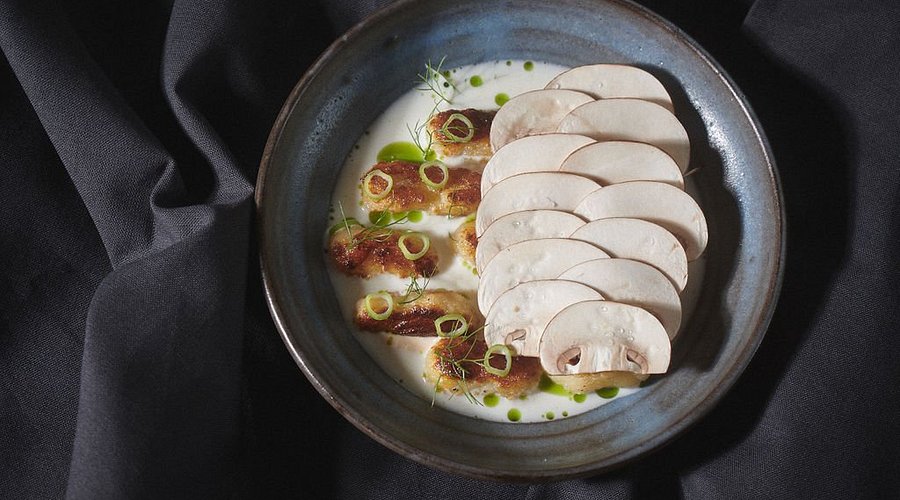
Credit: Tripadvisor
2. Bistro Lupa
Part of The Ark Collection, Bistro Lupa brings plant-based dining to Copenhagen’s Østerbro neighborhood with a more casual, bistro-inspired approach that has earned both a Green Michelin Star and Bib Gourmand recognition. Politiken awarded it six hearts, and reviewers consistently rank it among Copenhagen’s best bistros regardless of dietary focus.
The restaurant occupies a charming space with outdoor courtyard seating where a lovingly tended garden provides herbs and vegetables preserved through various methods for the darker months ahead. Inside, the atmosphere feels warm and convivial. This is a neighborhood spot that happens to be exceptional rather than a destination requiring pilgrimage.
The menu offers both à la carte and a five-course tasting experience that showcases seasonal ingredients, creative techniques, and bold flavors. Standout dishes include roasted cauliflower glazed with sticky hoisin sauce and the signature fried blue oyster mushrooms with tamarind ketchup – a dish so popular it’s achieved near-legendary status among regulars.
Zero-waste philosophy extends beyond the plate. House-made kombucha appears on the drinks menu alongside natural wines, craft beers, and cocktails that repurpose spent wine, tea, and coffee grounds into homemade liqueurs and vermouths. The kitchen avoids citrus, instead fermenting their own flavors and acids to balance drinks sustainably.
Service reflects genuine enthusiasm for the food without the missionary zeal that can make plant-based dining feel preachy. Staff ask diners to keep cutlery between courses, a small sustainability gesture that feels smart rather than performative.
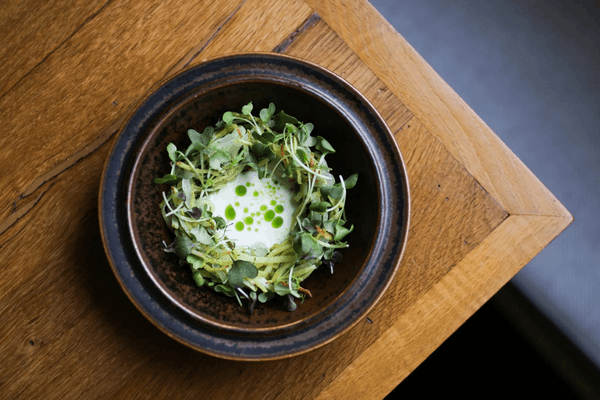
Credit: Bistro Lupa
3. RizRaz
RizRaz operates two locations in central Copenhagen (Kompagnistræde and Store Kannikestræde), offering Mediterranean-inspired vegetarian buffets that have become institutions among locals and travelers seeking abundant, affordable plant-based meals. While not exclusively vegetarian, the green buffet format ensures vegans and vegetarians find plenty to love.
The buffet sprawls with colorful salads, hummus variations, falafel that earn consistent praise as some of Copenhagen’s best, warm dishes featuring pasta and grains, and pickled vegetables that add brightness and tang. Each item is labeled with ingredients, though diners should double-check, as labels occasionally misalign or omit allergens such as honey.
The setting is casual and welcoming, with outdoor tables lining a charming cobblestone street in the warmer months, while the interior comfortably accommodates larger groups. Service is friendly and helpful, with staff who know the menu well enough to guide diners toward vegan options and accommodate dietary restrictions.
Pricing makes RizRaz particularly appealing: the buffet costs less at lunch than dinner, making it an excellent value in a city known for high restaurant prices. The format encourages leisurely eating, returning for seconds, and discovering new favorite combinations across multiple visits.
While this isn’t fine dining, RizRaz delivers exactly what many travelers and locals need: fresh, flavorful vegetarian food in generous portions at reasonable prices, served in pleasant surroundings that work for solo diners and large groups equally well.

Credit: Riz Raz | VisitCopnhagen
4. 42Raw
42Raw began as Copenhagen’s first raw food bar and has since evolved into a minimalist-style eatery offering colorful, health-focused meals that span raw, vegan, vegetarian, and even meat and fish options. This versatility makes it appealing for mixed groups where not everyone follows the same dietary path.
The menu emphasizes fresh, organic ingredients prepared to maximize nutrition while delivering flavor. Signature poke bowls arrive piled with vibrant vegetables, creative grain combinations, and dressings that add layers of taste without overwhelming natural flavors. The presentation is consistently beautiful, and these are meals designed to nourish both bodies as well as the Instagram feed.
Beyond savory options, 42Raw has built a reputation for excellent smoothie bowls, fresh juices, and desserts that prove healthy eating doesn’t require sacrificing sweetness or satisfaction. The matcha lattes avoid excessive sugar, delivering a warm, comforting flavor with lots of foam that makes them feel indulgent.
The atmosphere leans bright and contemporary, with clean Scandinavian design that creates a calm environment for focused eating or casual conversation. On weekdays, the restaurant fills with a mix of office workers grabbing quick lunches and health-conscious locals who treat 42Raw as their regular spot.
Service is efficient without being rushed, and the staff generally understands dietary restrictions well enough to guide choices thoughtfully. For those seeking plant-forward eating without a full commitment to any single philosophy, 42Raw strikes an appealing middle ground.
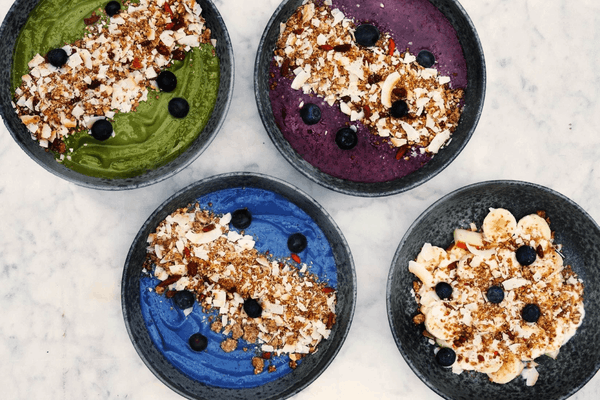
Credit: 42Raw
5. Kate’s Joint
Kate’s Joint brings flavors of India and the Middle East to Copenhagen’s vegetarian scene, serving spicy, aromatic curries, ginger-spiced noodles, hearty dahl, and other dishes that demonstrate plant-based eating extends beyond salads and grain bowls.
The menu clearly labels vegetarian and vegan options, eliminating confusion and making ordering straightforward for those with dietary restrictions. Spice levels tend toward bold. This is for those who appreciate heat and the complex layering of flavors, rather than bland approximations of authentic cuisine.
The atmosphere feels casual and welcoming, with décor that nods toward the cuisines represented without veering into theme restaurant territory. Service is friendly and knowledgeable, happy to explain dishes and accommodate spice preferences for those who want flavor without overwhelming heat.
Kate’s Joint fills a particular niche in Copenhagen’s vegetarian landscape. It’s flavorful, internationally inspired food that satisfies cravings for specific cuisines rather than trying to be everything to everyone. It’s the kind of place you return to when you want curry specifically, when grain bowls and Nordic vegetables won’t scratch the itch.
For travelers seeking variety in plant-based dining, or locals looking to expand beyond Scandinavian flavors, Kate’s Joint delivers authentic, vegetarian dishes that don’t try to mimic non-vegetarian cuisine.
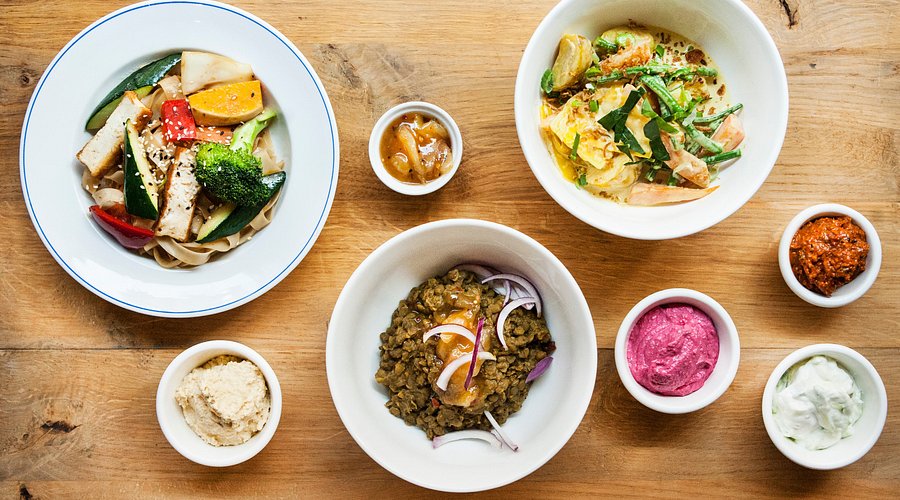
Credit: Tripadvisor
Conclusion
Copenhagen’s vegetarian and vegan restaurants reveal a city that has moved beyond treating plant-based dining as a niche or alternative. It’s simply part of the culinary fabric, executed with the same care, creativity, and commitment to quality that define Danish food culture. From ARK’s Michelin-starred innovation to Morgenstedet’s communal charm, from Bistro Lupa’s zero-waste bistro excellence to RizRaz’s abundant Mediterranean buffets, these restaurants prove that sustainable, vegetable-forward cuisine can be exceptional, accessible, and deeply satisfying.
Whether you’re vegan, vegetarian, or simply curious about what happens when vegetables take center stage, Copenhagen delivers experiences that challenge perceptions, delight palates, and demonstrate that the future of food might be greener than we imagined. Each restaurant on this list represents a different answer to the same question: how can we eat in ways that nourish ourselves, support our communities, and respect our planet?
If you’d like to explore Copenhagen beyond its restaurants, discovering design landmarks, sustainable urban initiatives, and hidden cultural treasures that reflect the city’s progressive values, consider our private Copenhagen tours or a sustainable city tour crafted to reveal the Danish capital with intention, local insight, and unforgettable moments that transform sightseeing into genuine connection.
FAQ
Is Copenhagen good for vegetarians?
Copenhagen is excellent for vegetarians, with numerous plant-based restaurants and cafes and vegetarian-friendly menus. The city boasts Michelin-starred vegetarian options, innovative Nordic plant-based cuisine, and mainstream restaurants with substantial vegetarian selections. Markets, food halls, and street food vendors offer a wide range of meat-free options. Copenhagen ranks among Europe’s most vegetarian-friendly capitals.
Does Denmark have vegetarian food?
Denmark offers abundant vegetarian dining options, particularly in cities such as Copenhagen and Aarhus. Traditional Danish cuisine historically featured meat and fish, but plant-based dining has grown significantly. Supermarkets stock extensive vegetarian products, and restaurants increasingly offer meat-free dishes. Traditional vegetarian options include rye bread, cheeses, root vegetables, and various open-faced sandwich toppings.
What must you eat in Copenhagen?
Must-eat Copenhagen foods include smørrebrød (open-faced sandwiches), Danish pastries (wienerbrød), hot dogs from Pølsevogn stands, and New Nordic cuisine. Try frikadeller (meatballs), herring preparations, licorice, and craft beer. Visit food markets like Torvehallerne. For dessert, enjoy æbleskiver (pancake balls) and kringle. Copenhagen’s innovative restaurant scene offers world-class dining experiences.
What percentage of Denmark is vegetarian?
Approximately 5-10% of Denmark’s population follows a vegetarian diet, with numbers steadily increasing. Around 15-20% identify as flexitarians, reducing meat consumption. Denmark shows growing interest in plant-based eating, particularly among younger generations. Copenhagen leads this trend, with significantly higher rates of vegetarian adoption than rural areas. The exact percentage varies by survey methodology.