
Tallinn’s museums reveal layers of history that few European capitals can match. Find everything from medieval churches transformed into art galleries, Soviet-era KGB cells preserved as chilling reminders, seaplane hangars housing submarines, to palaces where Russian tsars courted Estonian nobility. Estonia’s compact capital concentrates remarkable cultural wealth within its UNESCO-protected Old Town and surrounding districts, creating opportunities to traverse centuries of art, occupation, independence, and innovation within walking distance.
From Kumu Art Museum’s striking contemporary building showcasing Estonian art across three centuries to the Estonian Open Air Museum’s preserved rural architecture, from Seaplane Harbour’s interactive maritime exhibits to Niguliste Museum’s haunting medieval masterpieces, Tallinn delivers museum experiences that educate, move, and challenge perceptions about this Baltic nation that has repeatedly reinvented itself while preserving its distinct identity.
Key Takeaways
- Tallinn offers over 60 museums spanning art, history, maritime heritage, and unique specialized collections
- The Museum Card provides unlimited access to 100+ museums across Estonia for 12 months
- Many museums occupy historic buildings like medieval churches, tsarist palaces, and Soviet-era structures
- Interactive and modern approaches make even historical museums engaging for all ages
- Concentration in Old Town and Kadriorg Park allows visiting multiple museums in a single days
1. Kumu Art Museum
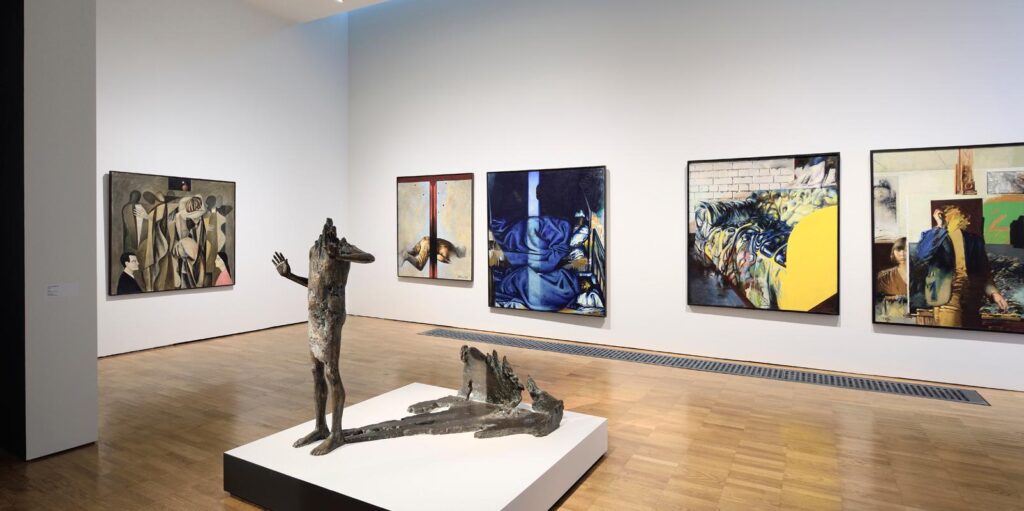
Estonia’s largest and most impressive art museum, Kumu, is housed in a striking contemporary building designed by Finnish architect Pekka Vapaavuori in Kadriorg Park. The collection spans Estonian art from the 18th century to contemporary works, creating a comprehensive journey through national artistic identity across periods of independence, occupation, and renewed freedom. The permanent exhibition is divided into classical Estonian art, art from the Soviet period, and contemporary installations that continue pushing boundaries.
The building itself has won numerous architecture prizes for its harmonious integration with the surrounding parkland while making a bold modern statement. Special exhibitions explore specific artists, movements, or themes, while the museum shop stocks excellent books on Estonian and Baltic art. Kumu represents Estonia’s confidence in its artistic heritage and commitment to supporting contemporary creativity.
Credit: Visit Estonia
2. Estonian Open Air Museum
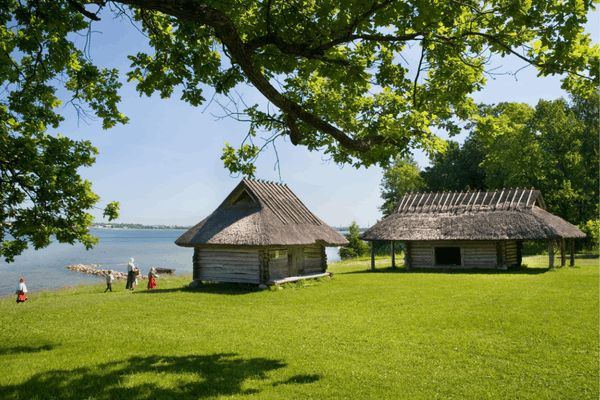
Located on Tallinn’s outskirts, the Open Air Museum preserves over 70 historic buildings relocated from across Estonia to recreate authentic 18th-20th century rural life. Farmhouses, windmills, a tavern, a chapel, and a school demonstrate how Estonians lived before Soviet collectivization transformed agriculture and rural communities. Costumed interpreters demonstrate traditional crafts during the summer, while the wooded setting makes for pleasant walking, regardless of historical interest.
The museum’s scale requires several hours to explore properly. Each building contains period furnishings and artifacts that reveal details of daily life often absent from textbooks. Special events include traditional celebrations, craft workshops, and seasonal activities that bring historical periods to vivid life. This is Estonian heritage preserved through architecture and landscape rather than merely objects in cases.
Credit: Visit Estonia
3. Seaplane Harbour (Lennusadam)
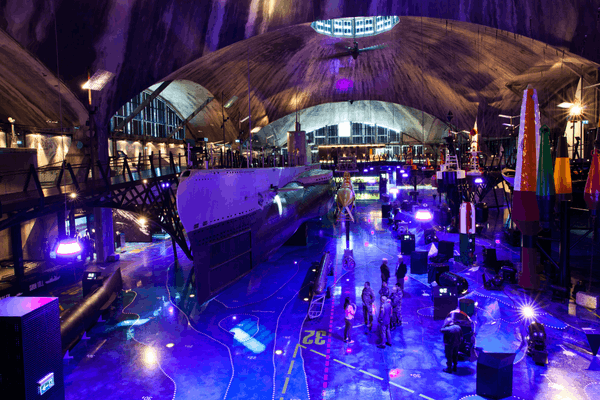
The Seaplane Harbour transforms a 1916-1917 seaplane hangar into Estonia’s premier maritime museum, housing the century-old submarine Lembit, icebreaker Suur Tõll, seaplane Short 184, and interactive exhibits exploring maritime history through technology and personal stories. The hangar’s scale, one of the world’s finest examples of early 20th-century reinforced concrete architecture, provides a dramatic setting for vessels and aircraft displayed as they would have appeared in service.
Interactive elements invite hands-on engagement: visitors can climb aboard the submarine, operate ship simulators, and explore exhibits designed for all ages. The maritime heritage extends beyond military vessels to fishing traditions, shipping commerce, and Estonia’s relationship with the Baltic Sea that has shaped national identity across centuries. This museum proves history museums need not be passive or dusty.
4. KGB Museum
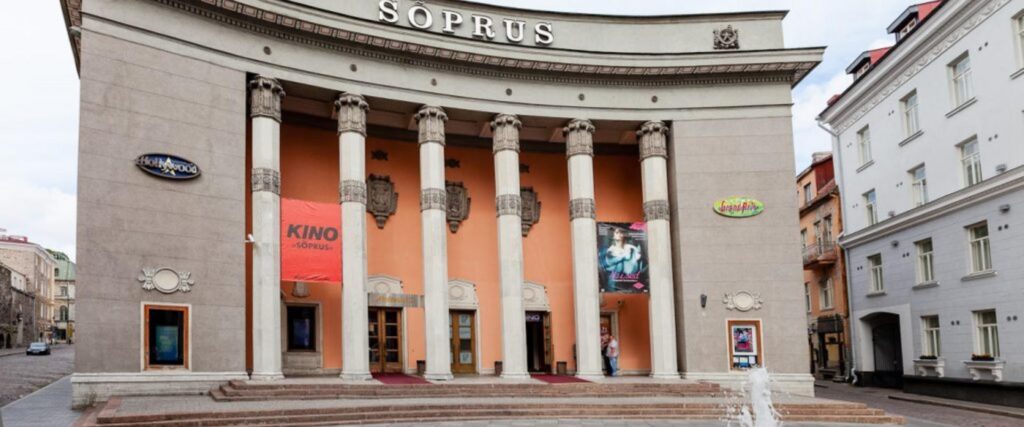
The KGB Museum operates from the actual building where Soviet secret police interrogated and imprisoned Estonians during the occupation. Located on the 23rd floor of the Viru Hotel, the museum preserves KGB surveillance equipment, radio transmitters, and cells where political prisoners awaited their fates. The rooftop location provided a perfect vantage point for monitoring foreign guests staying in the hotel below.
Guided tours (mandatory for access) reveal chilling details about surveillance operations, interrogation techniques, and the apparatus of oppression that controlled Estonia for half a century. The guides balance historical accuracy with dark humor, creating experiences that educate without overwhelming visitors with horror. This is recent history, and many tour guides still remember the Soviet occupation personally, lending immediacy to stories that might otherwise feel distant.
Credit: Visit Estonia
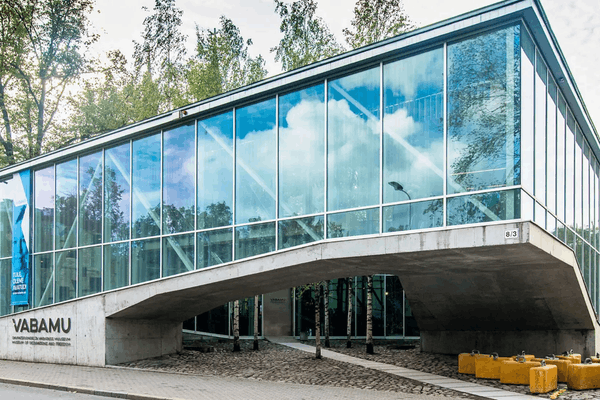
5. Vabamu Museum of Occupations and Freedom
Vabamu explores Estonia’s experiences under Nazi and Soviet occupations, then the restoration of independence that culminated in the Singing Revolution, when Estonians literally sang their way to freedom. The permanent exhibition “Freedom Without Borders” uses personal stories, artifacts, and multimedia installations to create an emotional journey through periods when the Estonian language, culture, and identity faced systematic suppression.
The museum opened in 2003 and relocated to larger premises in 2018, reflecting Estonia’s commitment to remembering difficult history while celebrating resilience and resistance. Interactive elements allow visitors to experience aspects of occupation firsthand, including Soviet-era apartments, communication restrictions, and propaganda aimed at erasing Estonian distinctiveness. This is an essential context for understanding modern Estonia’s fierce protection of independence.
Credit: Citybox Hotels
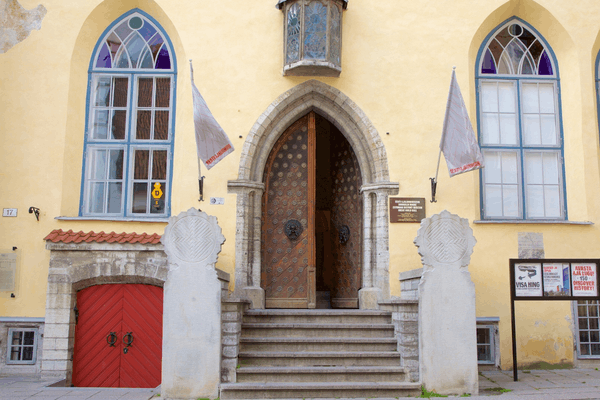
6. Estonian Historical Museum (Great Guild Hall)
The Estonian Historical Museum is housed in the magnificent Great Guild Hall in Old Town, where wealthy merchants conducted business from the 14th century onward. The building itself is a significant historical artifact, as Gothic architecture preserves medieval commercial power. The collection spans Estonian history from prehistoric settlements through medieval periods to modern independence, with particular strength in archaeological finds and medieval artifacts.
Temporary exhibitions explore specific historical periods or themes, while the permanent displays provide a foundation for understanding Estonia’s complex history of foreign rule, cultural persistence, and eventual sovereignty. The museum manages several locations, including Maarjamäe Palace, creating a distributed approach to presenting national history across multiple thematic focuses.
Credit: Expedia
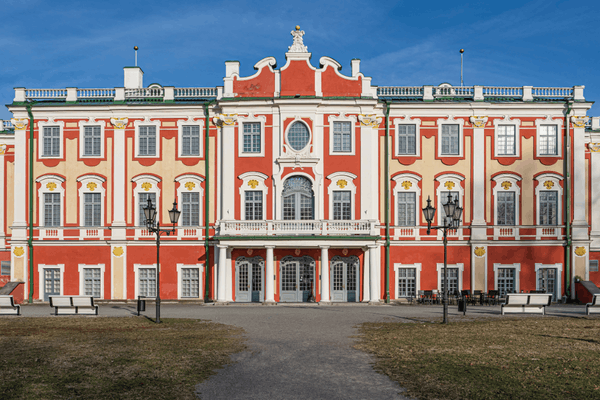
7. Kadriorg Art Museum
Housed in the baroque Kadriorg Palace, built by Peter the Great for his wife, Catherine I, this museum presents foreign art, primarily from Western Europe and Russia, collected by Estonia’s nobility and bourgeoisie from the 16th to the 20th centuries. The palace itself rivals the collection with ornate stucco work, painted ceilings, and period architecture, creating settings in which art and architecture enhance one another.
The surrounding Kadriorg Park provides landscaped grounds perfect for pre- or post-museum walks, while the nearby Kumu, Peter the Great House Museum, and Mikkel Museum create a concentration of cultural destinations. Kadriorg represents that brief period when Tallinn existed within the Russian imperial orbit, before Estonian independence movements gained traction.
8. Niguliste Museum
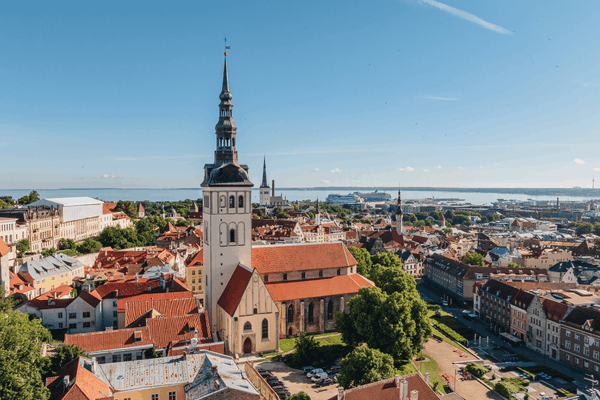
The Niguliste Museum occupies the former St. Nicholas’ Church, which was damaged during Soviet bombing in 1944 and a subsequent fire in 1982, and was later restored as a museum showcasing medieval sacred art. The highlight remains Bernt Notke’s “Danse Macabre” (Dance of Death) from the 15th century, a haunting medieval masterpiece depicting skeletons dancing with people from all walks of life, reminding viewers that death comes for everyone equally.
The collection includes altarpieces, religious sculptures, and artifacts from Tallinn’s medieval churches, providing a comprehensive survey of sacred art from the time when Christianity defined social, political, and cultural life. The church architecture itself, including Gothic vaulting and acoustic properties designed for liturgical music, enhances the experience. Regular organ concerts make use of the building’s exceptional acoustics, offering opportunities to experience the space as originally intended.
Credit: Visit Estonia
9. Kiek in de Kök and Bastion Passages Museum
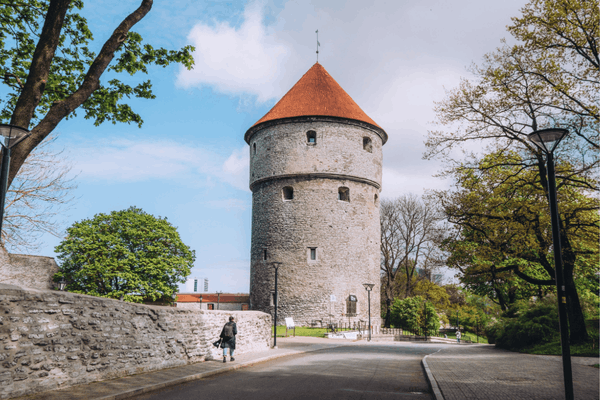
Kiek in de Kök (“Peek in the Kitchen”) artillery tower and connecting bastion passages explore Tallinn’s military history and fortifications. The tower, completed in 1475, once defended the city from attacks, while the 17th-century underground passages connected bastions and provided protected movement during sieges. The Time Tunnel exhibit takes visitors through Tallinn’s history from 1219 to projected 2219.
The passages themselves create atmospheric settings with dim stone corridors, vaulted ceilings, and that particular underground coolness that persists year-round. Exhibits explore weaponry, siege warfare, daily life during conflicts, and how Tallinn’s strategic location made it a repeatedly contested territory. Combined tickets with other city museums provide good value for history enthusiasts.
Credit: Visit Estonia
10. Tallinn City Life Museum
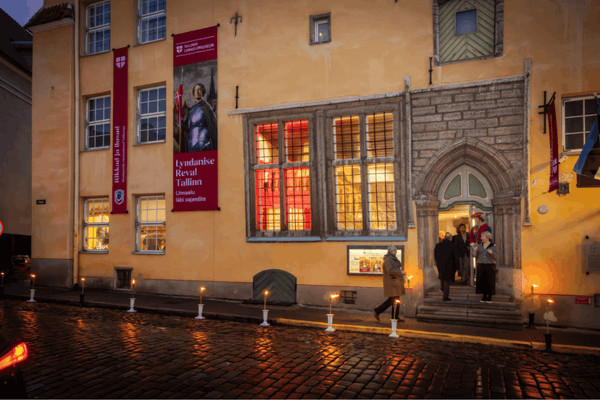
The City Life Museum reopened in November 2025 after major renovations in a 14th-century merchant’s house, presenting two new permanent exhibitions exploring Tallinn’s urban history and the Brotherhood of Blackheads. The renovated spaces showcase how Tallinn evolved from a medieval trading post to a Soviet-occupied city to a contemporary European capital, with particular attention to daily life across social classes and time periods.
The Brotherhood of Blackheads exhibition marks 625 years since the merchant guild’s first recorded mention, exploring how young, unmarried merchants organized themselves into an influential brotherhood that shaped Tallinn’s commercial and cultural life. The museum’s Old Town location is in the actual merchant quarter and provides an authentic setting for understanding the history of urban Estonia.
Credit: muuseumikaart
11. Fat Margaret Tower (Maritime Museum)
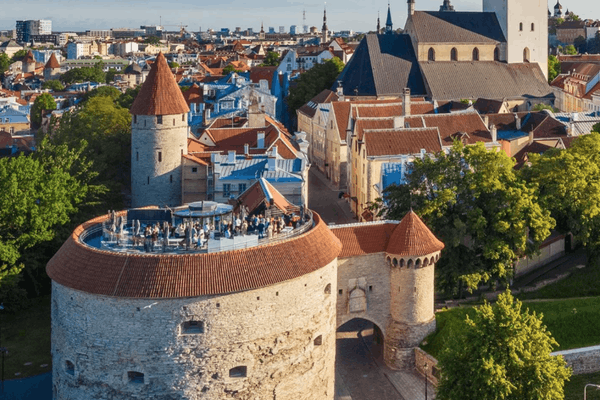
The Fat Margaret Tower forms part of Tallinn’s medieval fortifications, housing the Maritime Museum’s main building near Old Town harbor. The 16th-century artillery tower defended the port entrance while intimidating potential attackers through sheer scale, as the walls reach 5 meters thick. Inside, exhibitions explore Estonian maritime history from early fishing communities through Soviet naval operations to contemporary shipping.
The collection includes ship models, navigation instruments, fishing equipment, and personal items from sailors whose lives depended on the Baltic Sea. The tower itself demonstrates medieval military architecture principles, while views from upper levels provide orientation to Tallinn’s relationship with its harbor and the sea beyond.
Credit: Visit Estonia
12. Peter the Great House Museum
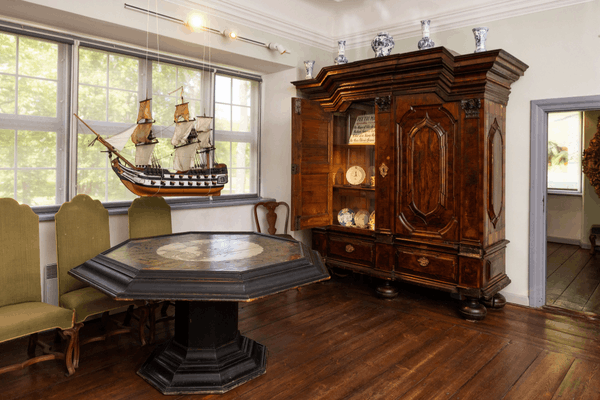
Tallinn’s oldest museum, the Peter the Great House, preserves the summer cottage where Russian Tsar Peter I and his wife, Catherine I, stayed while overseeing the construction of Kadriorg Palace in the early 18th century. The collection includes personal items, furniture, and artifacts from the imperial couple, providing an intimate glimpse into their lives beyond formal court settings.
The modest scale contrasts sharply with the grandeur of Kadriorg Palace. This cottage represents Peter’s preference for simpler accommodations during the summer months. The museum explores Russian imperial influence on Tallinn and Estonia more broadly, a complex historical relationship that shaped architecture, culture, and politics across centuries.
Credit: Visit Estonia
13. Adamson-Eric Museum
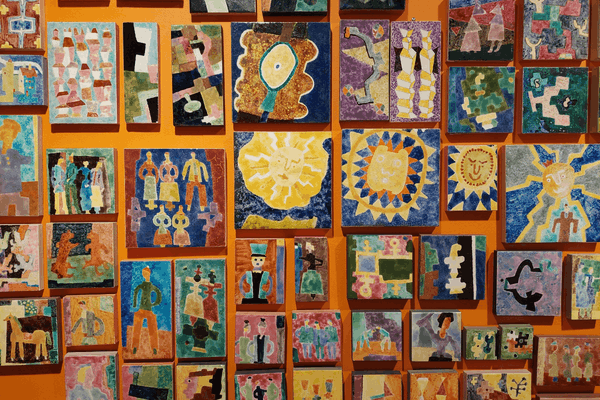
The Adamson-Eric Museum celebrates one of Estonia’s most versatile 20th-century artists who worked across painting, applied arts, metalwork, ceramics, and textile design. The museum occupies a medieval merchant house in Old Town, where changing exhibitions rotate through Adamson-Eric’s vast output with approximately 1,000 paintings and several thousand applied art pieces created across his career.
The artist’s stylistic evolution from romantic realism through Art Deco to bold expressionism reflects broader Estonian art movements during periods of independence, Soviet occupation, and cultural restrictions. The museum demonstrates how individual creativity persisted even when political circumstances attempted to dictate artistic expression.
Credit: Eesti Kunstimuuseum
14. Museum of Estonian Architecture
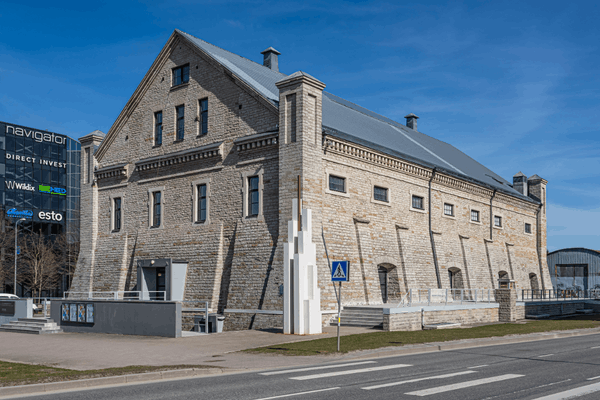
The Architecture Museum occupies the Rotermann Salt Storage, a 19th-century industrial building transformed into an exhibition space for exploring Estonian architectural heritage and contemporary design. The collection includes drawings, photographs, models, and furniture spanning centuries of building in Estonia, from wooden vernacular structures to Soviet modernism to cutting-edge contemporary projects.
Temporary exhibitions highlight specific architects, periods, or building types, while the museum’s own location in the revitalized Rotermann Quarter demonstrates adaptive reuse principles. Estonia’s architectural story reflects occupation, independence, and how built environments express cultural identity even under oppression.
Credit: Wikipedia
15. Estonian Museum of Applied Art and Design
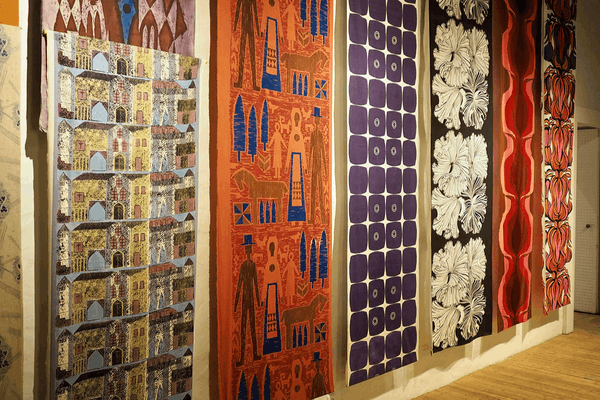
The Applied Art and Design Museum showcases Estonian decorative arts, craft traditions, and contemporary design across ceramics, textiles, metalwork, glass, and furniture. The collection demonstrates how Estonian designers balanced folk traditions with modernist aesthetics, creating a distinct visual language that remained recognizable even during Soviet attempts at cultural homogenization.
Contemporary exhibitions explore current Estonian design excellence. The country punches well above its weight in graphic design, product design, and even digital innovation. The museum connects historical craft traditions to contemporary creativity, showing continuity across disruptions of occupation and independence struggles.
Credit: slanted
16. Estonian Health Care Museum
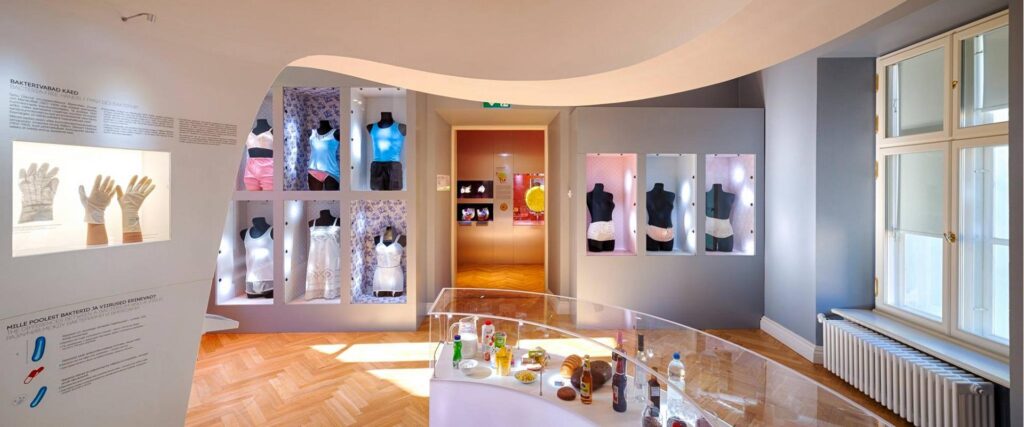
The Health Care Museum occupies two 15th-century buildings in Old Town, presenting human anatomy, physiology, and medical history through models, preserved organs, historical medical instruments, and interactive exhibits. The museum approaches health education through engagement rather than dry textbook presentations, making medical topics accessible and interesting for all ages.
Exhibits explore how medical understanding evolved, how treatments developed from folk remedies to modern medicine, and how public health initiatives improved Estonian life expectancy across centuries. The medieval setting creates an interesting contrast with modern medical knowledge on display.
Credit: Visit Estonia
17. Maarjamäe Palace
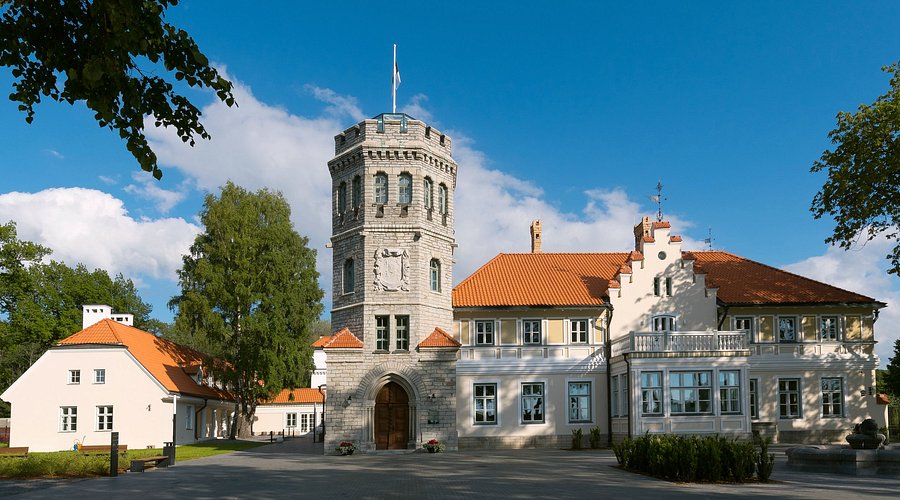
Part of the Estonian Historical Museum, Maarjamäe Palace sits in eastern Tallinn overlooking the Baltic Sea. Originally a summer manor for Count Anatoly Orlov-Davydov in the 1870s, the building’s eclectic architecture mixes Gothic Revival and neoclassical elements. Current exhibitions explore cultural heritage, Soviet occupation memorials, and temporary shows that change regularly.
The surrounding park contains Soviet-era monuments relocated here after independence, with massive stone sculptures celebrating Red Army victories that Estonians understandably wanted removed from prominent positions but preserved as historical artifacts. The palace and grounds create opportunities to examine how nations remember difficult histories.
Credit: Tripadvisor
18. Tallinn Art Hall
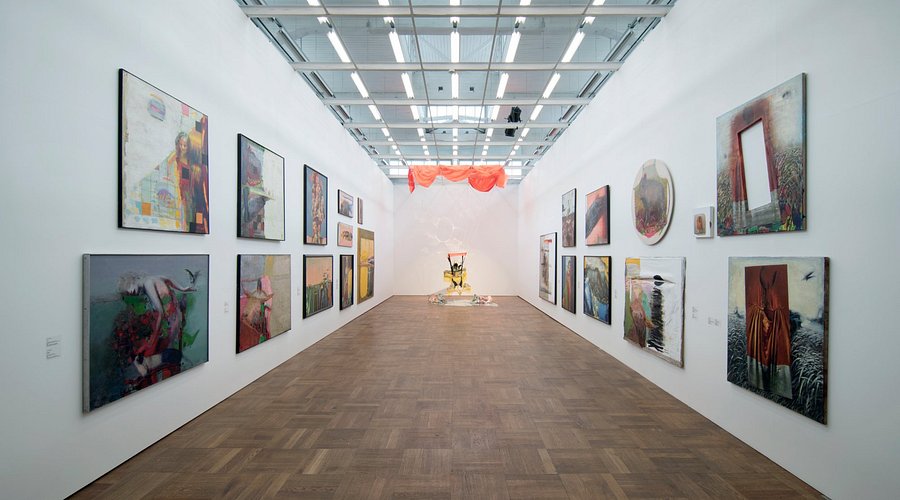
The Tallinn Art Hall functions as a contemporary art gallery presenting changing exhibitions of modern and contemporary art by Estonian and international artists. Built in 1934, the Functionalist building provides neutral white-cube spaces ideal for showing art across mediums without architectural distraction. The programming emphasizes experimental work, emerging artists, and projects that push boundaries.
The Art Hall represents Tallinn’s commitment to contemporary culture alongside medieval preservation. Both matter, and both deserve institutional support. Exhibitions rotate frequently, ensuring repeat visits reveal new perspectives and artistic approaches.
Credit: Tripadvisor
19. Energy Discovery Centre
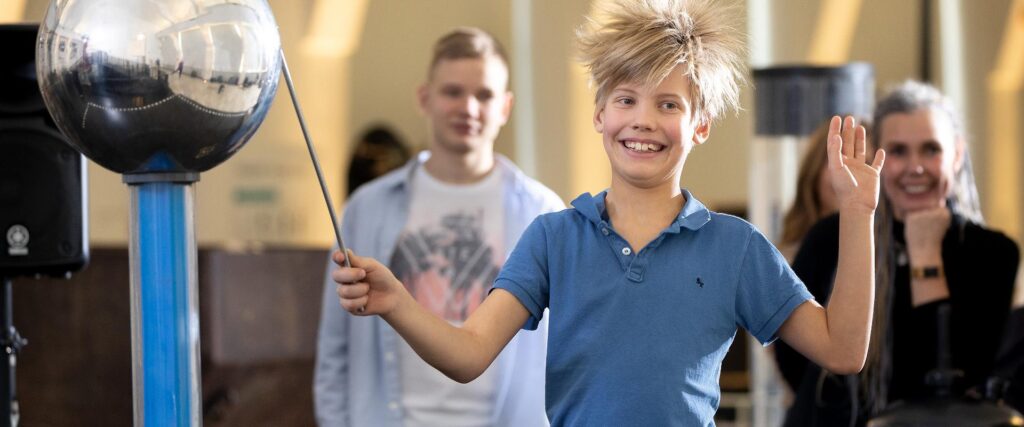
The Energy Discovery Centre provides interactive science museum experiences exploring energy, technology, and scientific principles through hands-on exhibits and demonstrations. This is science education designed for engagement, where visitors can generate electricity through pedal power, explore renewable energy technologies, and understand physics principles through experimentation rather than passive observation.
The center particularly appeals to families and school groups, though adults curious about energy technologies find plenty to explore. As Estonia invests heavily in renewable energy and digital innovation, the museum contextualizes these national priorities through accessible science communication.
Credit: Visit Estonia
20. Banned Books Museum
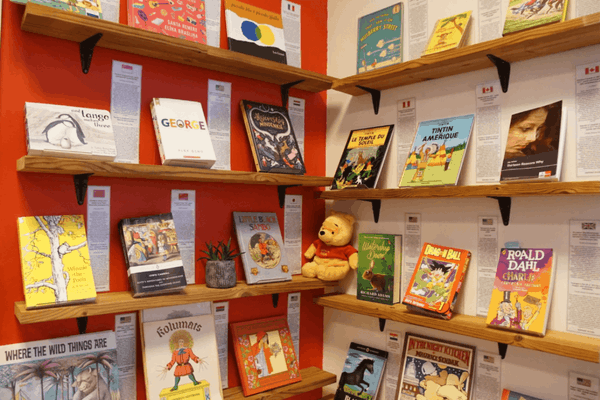
The Banned Books Museum presents exactly what its name suggests: books that have been censored, banned, or suppressed across history and geography. Founded by American collector Artur Dunnigan, the museum uses Estonia’s commitment to free expression to showcase texts prohibited elsewhere, from religious texts to political manifestos to works challenging sexual norms.
Each exhibit explains why particular books faced censorship by religious authorities, political regimes, moral guardians, or cultural gatekeepers, all of whom appear as censors throughout the collection. The museum is free to visit and operates in a modest space, but its message about intellectual freedom resonates powerfully in a nation that regained press freedom only in 1991.
Credit: Muuseumikaart
Conclusion
Tallinn’s museums reveal a nation that has repeatedly faced occupation, suppression, and attempts at cultural erasure yet preserved its identity through art, architecture, and the objects that carry collective memory forward. From Kumu’s comprehensive Estonian art collection to the KGB Museum’s chilling preservation of oppression, from Seaplane Harbour’s interactive maritime heritage to the Open Air Museum’s rural traditions, these institutions offer a layered understanding of what it means to be Estonian: resilient, creative, and fiercely protective of a hard-won independence.
Whether you seek Soviet history, medieval sacred art, contemporary design, or simply the pleasure of wandering beautiful museums in buildings that themselves tell stories, Tallinn delivers density and quality that rivals far larger capitals. The Museum Card makes comprehensive exploration economically feasible, while the city’s compact geography allows visitors to visit multiple museums without exhausting travel between them.
If you’d like to explore Tallinn’s museums with guidance that deepens understanding, connects historical contexts, reveals hidden details, and experiences these cultural treasures with local insight, consider our private Tallinn experiences, crafted to transform museum visits from checklist items into genuine cultural immersion that makes every exhibition unforgettable.
FAQ
What not to miss in Tallinn?
Don’t miss Tallinn Old Town (Vanalinn), a UNESCO World Heritage Site with medieval streets, Town Hall Square, and Alexander Nevsky Cathedral. Visit Toompea Hill for panoramic views and explore the city walls and towers. The mix of medieval charm and modern cafés makes Tallinn unique.
What to see in Tallinn in 1 day?
In one day, explore Old Town, including Town Hall Square, Toompea Castle, and Alexander Nevsky Cathedral. Walk along the city walls, visit St. Olaf’s Church, and enjoy views from the Kohtuotsa viewing platform. Finish with dinner in a medieval-style restaurant.
Are museums in Estonia free?
Most museums in Estonia charge admission, including popular sites in Tallinn. However, some museums offer free entry on certain days, such as Museum Night events, and discounts for students or children. Public outdoor attractions and historic streets are free to explore.
Is 2 days enough for Tallinn?
Yes, two days are enough to see Tallinn’s main highlights. You can fully explore Old Town on day one and visit creative districts like Telliskivi, Kadriorg Palace, or seaside areas on day two, allowing a relaxed but complete experience.