Kvadraturen (Downtown)
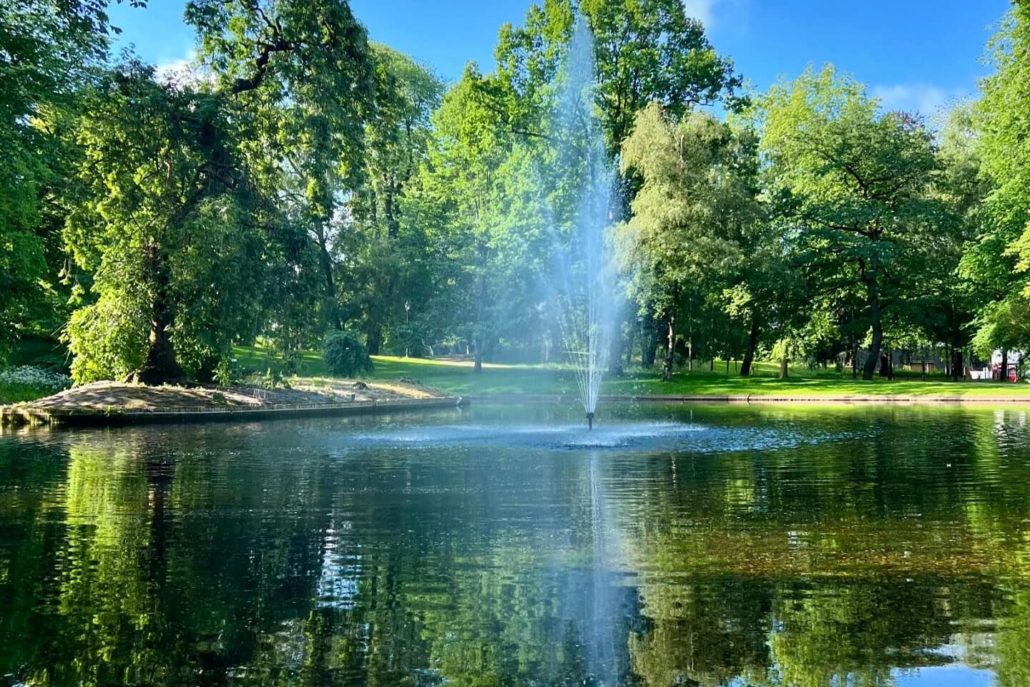
Royal Palace Park
Downtown Oslo, also known as Kvadraturen, is the historic heart of the city. This area is rich in cultural landmarks, including the Oslo Cathedral, the Oslo City Hall, the National Museum of Contemporary Art, and the Akershus Fortress. Strolling through the streets, you’ll encounter a mix of 17th-century architecture and modern buildings.
While Kvadraturen is more urban, you can still find pockets of greenery. The Royal Palace Park is a short walk away, offering a peaceful retreat with beautiful gardens and sculptures.
On the main street, Karl Johans Gate, you will find an abundance of restaurants, cafes, and bars. From traditional Norwegian cuisine to international fare, there’s something for everyone.
Kvadraturen is Oslo’s oldest neighborhood, where the city was originally founded in 1624 by King Christian IV. Walking through these streets, you’ll find well-preserved 17th-century buildings, art galleries, and government offices.
Must-See Attractions
Akershus Fortress: A medieval castle offering panoramic views of the Oslofjord.
Oslo Cathedral: Known for its stunning ceiling murals and royal weddings.
The Norwegian Opera & Ballet: A modern architectural masterpiece with a rooftop you can walk on.
Karl Johans Gate
Karl Johans gate is Oslo’s main boulevard and one of the city’s most important and lively landmarks. Stretching from Oslo Central Station to the Royal Palace, the street forms a natural spine through the city, connecting historic institutions, cultural attractions, shops, cafés, and public squares.
Lined with mature trees, especially striking in spring and summer, it offers a pleasant, walkable atmosphere that invites both locals and visitors to linger.
Historically, Karl Johans gate has played a central role in Norway’s public life. It is the traditional route for parades, celebrations, and national events, including Constitution Day on May 17th, when the street fills with flags, music, and crowds.
Along the way, visitors pass notable buildings such as the National Theatre, the University of Oslo, and the Parliament (Stortinget), each reflecting different chapters of Norway’s political and cultural history.
Today, Karl Johans gate is a vibrant mix of old and new. Elegant historic façades stand alongside modern retail spaces, international brands, and classic Norwegian cafés.
Whether used as a shopping street, a cultural promenade, or simply a scenic path toward the Royal Palace, Karl Johans gate remains a symbol of Oslo’s identity. Both as a capital city and as a welcoming public space at the heart of everyday life.
Grünerløkka
Once an industrial area, Grünerløkka is now one of Oslo’s trendiest neighborhoods, filled with cafés, boutique shops, and street art. It’s a popular area for young creatives, offering a mix of vintage thrift stores, craft breweries, and local design studios.
Things to Do in Grünerløkka
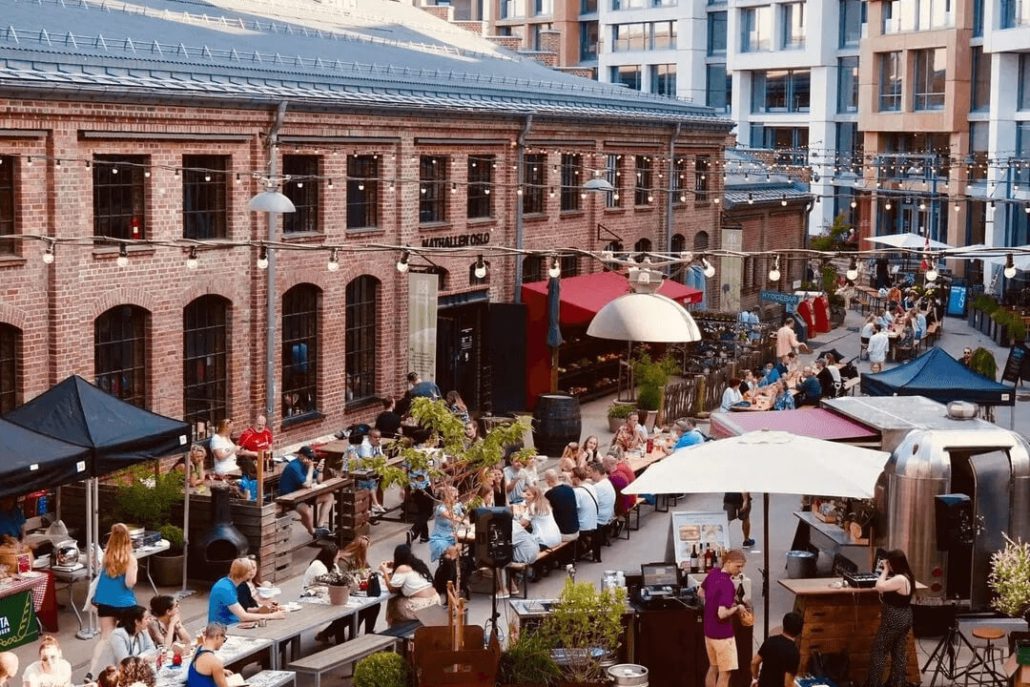
Mathallen Food Hall: A vibrant indoor food market with local and international flavors.
Olaf Ryes Plass: A charming park surrounded by independent boutiques and coffee shops.
Vulkan Area: A sustainable urban development with green buildings and cultural spaces.
Akerselva River
Grünerløkka is Oslo’s hipster hub, known for its vibrant street art, quirky boutiques, and lively atmosphere. Key sights include the Mathallen Food Court and the Akerselva River, which runs through the neighborhood. This area is home to several parks, including Sofienberg Park and Birkelunden, perfect for picnics and leisurely strolls.
This area in Oslo is very pedestrian-friendly, with plenty of car-free streets and paths along the river. Its compact nature makes it easy to explore on foot. Grünerløkka boasts a diverse array of eateries, from cozy cafes to gourmet restaurants. It’s a hotspot for nightlife, with numerous bars and clubs that cater to a younger crowd.
Grünerløkka offers a mix of affordable and mid-range options, making it accessible for a variety of budgets. It’s a great neighborhood for those looking to experience Oslo’s trendy side without breaking the bank.
Aker Brygge Marina
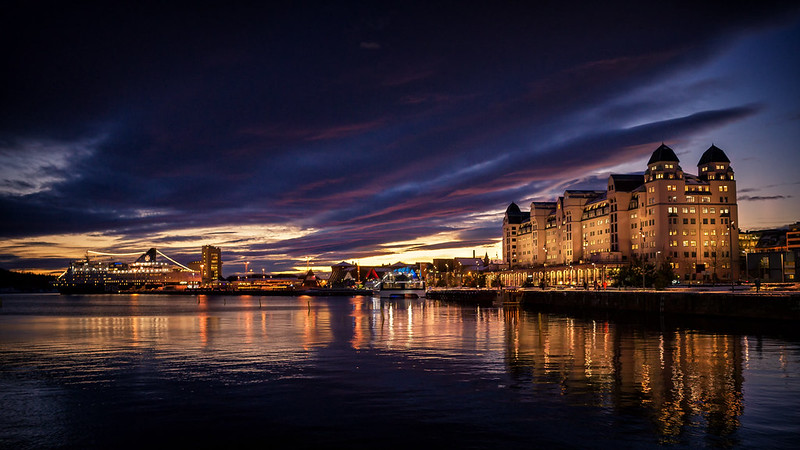
Aker Brygge and Tjuvholmen represent the modern, stylish side of Oslo. These areas are perfect for dining with a waterfront view, exploring contemporary art, and enjoying Oslo’s vibrant nightlife.
Top Attractions in Aker Brygge & Tjuvholmen
Astrup Fearnley Museum: A contemporary art museum housed in a Renzo Piano-designed building.
The Promenade: A scenic walkway along the Oslofjord, great for sunset views.
Fjord Cruises: Take a boat tour to explore the nearby islands.
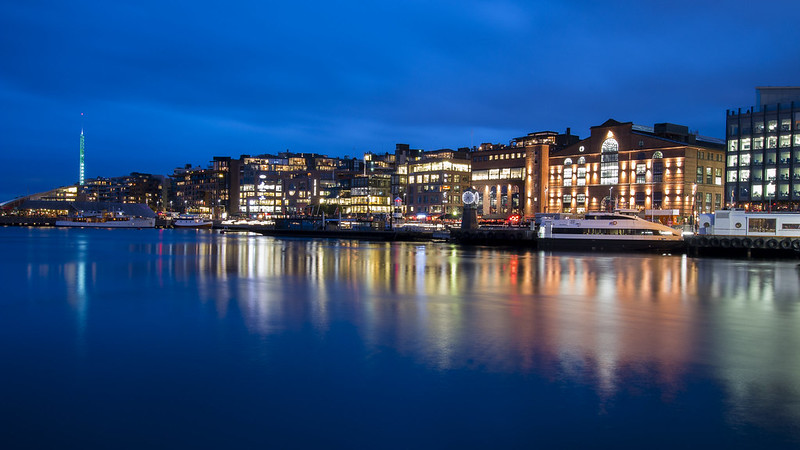
This area is a modern, waterfront district renowned for its sleek architecture and vibrant cultural scene. Attractions include the Astrup Fearnley Museum of Modern Art and the bustling Aker Brygge Marina.
Despite its urban setting, Aker Brygge offers access to several green spaces, such as the nearby Tjuvholmen Sculpture Park. The waterfront promenade is also ideal for a leisurely walk with stunning views of the Oslo fjords.
This area is a culinary hotspot, featuring many upscale restaurants and trendy bars where seafood lovers will appreciate the fresh catches. The district is designed with pedestrians in mind, featuring wide promenades and plenty of walking paths. It’s a delightful area to explore on foot, especially in the summer months.
Tjuvholmen Sculpture Park
Tjuvholmen Sculpture Park is a striking open-air gallery located at the edge of Oslo’s waterfront, where contemporary art meets the sea.
Set on a small peninsula, the park features a curated collection of modern sculptures by internationally renowned artists, seamlessly integrated into the natural landscape of rocks, water, and open sky. Its coastal setting makes the experience feel both intimate and expansive, with art pieces framed by panoramic views of the Oslofjord.
The park is part of the broader Tjuvholmen development, an area known for its cutting-edge architecture, luxury residences, and proximity to the Astrup Fearnley Museum of Modern Art. Visitors can freely wander among the sculptures at any time of day, making it a popular spot for leisurely walks, photography, and sunset views.
Tjuvholmen Sculpture Park reflects Oslo’s commitment to accessible public art and its close relationship with nature and the waterfront.

Bjørvika
Bjørvika is a rapidly developing waterfront area known for its cutting-edge architecture and cultural landmarks. Highlights include the Oslo Opera House, The Munch Museum, and the Barcode Project, a striking cluster of high-rise buildings. This area in Oslo is home to several new parks, including the urban beach at Sørenga and the rooftop garden atop the new Munch Museum.
Bjørvika, a continuously developing area, offers a mix of dining options, from casual eateries to fine dining establishments. With its emphasis on modern urban design, Bjørvika is very pedestrian-friendly. The Opera House roof doubles as a public space, offering panoramic views of the city and fjord, while the beach, is ideal for idyllic promenades during the sunset.
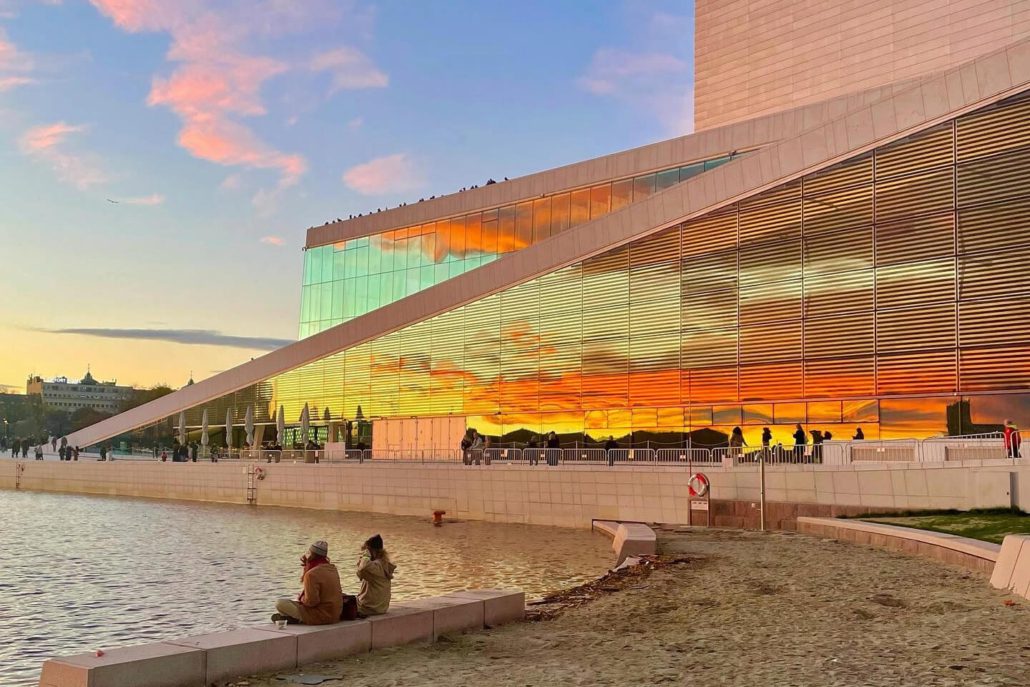
Oslo Opera House by the beach
The Oslo Opera House is one of the city’s most iconic landmarks, rising directly from the edge of the Oslofjord like a sculptural extension of the shoreline. Designed to resemble an iceberg emerging from the water, its white marble and granite surfaces blur the boundary between architecture, sea, and sky.
Unlike traditional opera houses, the building invites the public to walk across its sloping roof, offering panoramic views of the fjord, nearby islands, and the city skyline.
Situated along the beach-like waterfront of Bjørvika, the Opera House has become a popular gathering place for both locals and visitors. People come not only for world-class performances, but also to relax by the water, enjoy the sun, or take an evening stroll along the harbor.
As both a cultural institution and a public space, the Oslo Opera House perfectly reflects the city’s modern identity. Open, accessible, and closely connected to nature.
Frogner Park
Frogner is known for its classic architecture, embassies, and high-end boutiques. This is where Oslo’s upper class lives, and it’s also home to some of the city’s best museums.
What to See in Frogner
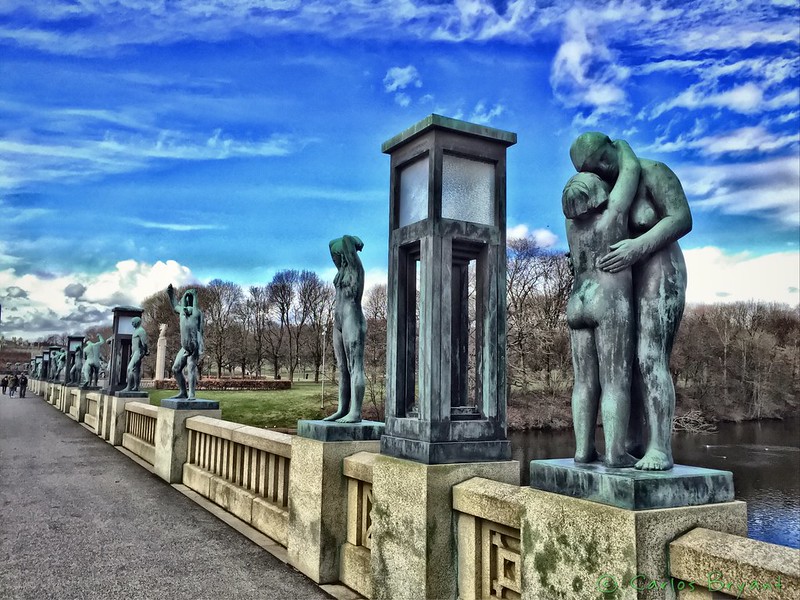
Frogner Park & Vigeland Sculpture Park: The largest sculpture park by a single artist in the world.
Bygdøy Allé: A picturesque street lined with exclusive shops and cafés.
Oslo City Museum: Learn about the history of Oslo in this hidden gem of a museum.
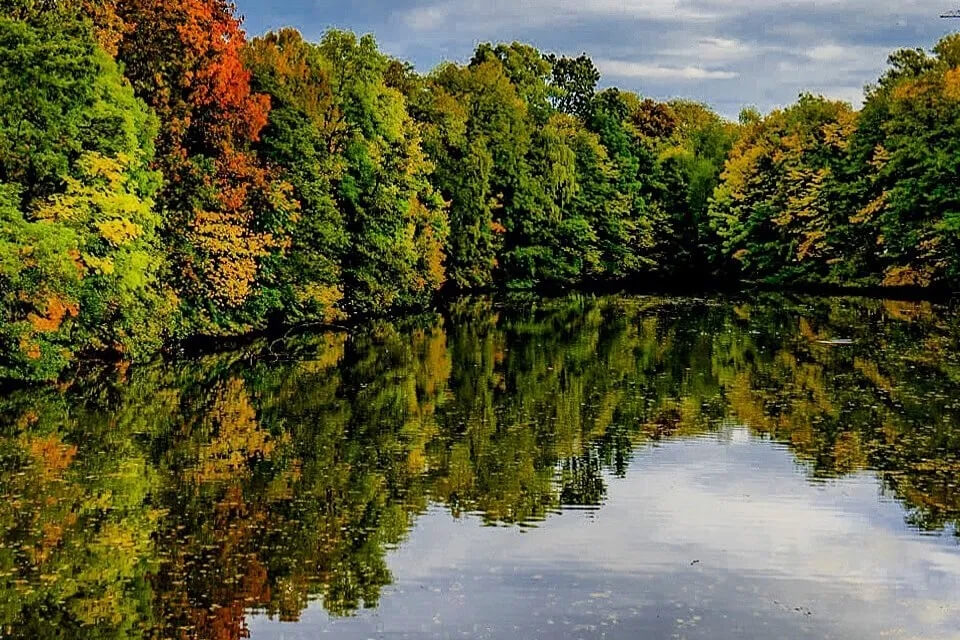
Frogner is one of the most prestigious neighborhoods in Oslo, known for its elegant buildings and proximity to major attractions like the Vigeland Sculpture Park and the Frogner Park, which houses over 200 sculptures by Gustav Vigeland.
The vast Frogner Park is the centerpiece of this neighborhood, offering expansive lawns, beautiful gardens, and outdoor art. It’s an ideal spot for picnics, jogging, or simply enjoying nature.
Frogner has a variety of dining options, from chic cafes to gourmet restaurants. The area is particularly known for its high-end eateries and classic Norwegian cuisine.
Frogner is very walkable, with tree-lined streets and plenty of pedestrian paths. It’s a great neighborhood for leisurely walks and enjoying the local architecture.
Vigeland Sculpture Park
Oslo is a city that perfectly balances modernity with nature. It offers travelers a variety of areas to explore, each with its unique charm.
Oslo has something for everyone: history lovers can explore Kvadraturen (Downtown), trendsetters will relish Grünerløkka, Frogner will strike a chord with the artsy, Aker Brygge will satisfy the seafood gourmands, and Bjørvika will be an eye feast for the architecture enthusiasts.
So lace up your walking shoes and get ready to discover the many faces of Norway’s vibrant capital.