Oslo’s sushi scene has quietly evolved into one of Northern Europe’s most compelling culinary landscapes. In a city blessed with pristine Norwegian waters and a deep respect for ingredient quality, sushi transcends mere dining as it becomes an encounter with precision, seasonality, and the subtle marriage of Nordic and Japanese sensibilities.
From intimate omakase counters where every grain of rice is handled with intention to vibrant izakaya-style spots where small plates invite conversation, Oslo offers sushi experiences that feel both worldly and distinctly Norwegian. Whether you seek Michelin-starred craftsmanship or accessible everyday excellence, the capital’s Japanese restaurants reward those who seek them out.
This is where tradition meets innovation, where cold-water fish meets centuries-old technique, and where each plate tells a story worth savoring.
Key Takeaways
- Oslo’s sushi restaurants blend Japanese tradition with exceptional Norwegian seafood
- Options range from intimate omakase experiences to casual neighborhood spots
- The city’s best venues prioritize freshness, technique, and seasonal ingredients
- Many restaurants showcase Nordic influences alongside classic Japanese preparations
- Quality and craftsmanship define Oslo’s approach to sushi, regardless of setting
Sabi Omakase Oslo
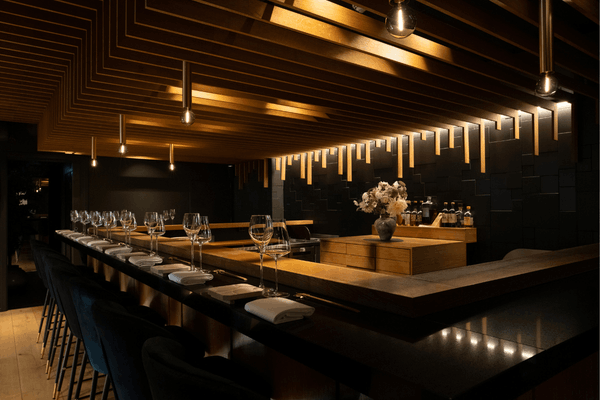
Sabi Omakase represents Oslo’s most refined expression of Edomae-style sushi. This Michelin-starred restaurant seats just ten guests around a single counter, where chef Airis Zapašnikas orchestrates a journey through otsumami appetizers, pristine sashimi, and meticulously formed nigiri.
The philosophy centers on purity and balance. Seasonal ingredients, sourced primarily from Nordic waters, are used only at their peak, allowing natural flavors to shine without distraction. Each course unfolds with quiet ceremony, the chef explaining techniques and sourcing as you watch his hands shape rice with practiced precision.
The space itself feels meditative. Modern Japanese design meets Scandinavian restraint, with daily-arranged seasonal plants that highlight nature’s imperfections. This isn’t just dinner, it’s an immersion into the craft of sushi-making at its highest level. Beverage pairings like sake, wine, or thoughtful non-alcoholic options complement each course with care.
For those seeking an unforgettable omakase experience in Norway, Sabi Omakase delivers on every promise: intimacy, artistry, and flavors that linger long after the final bite.
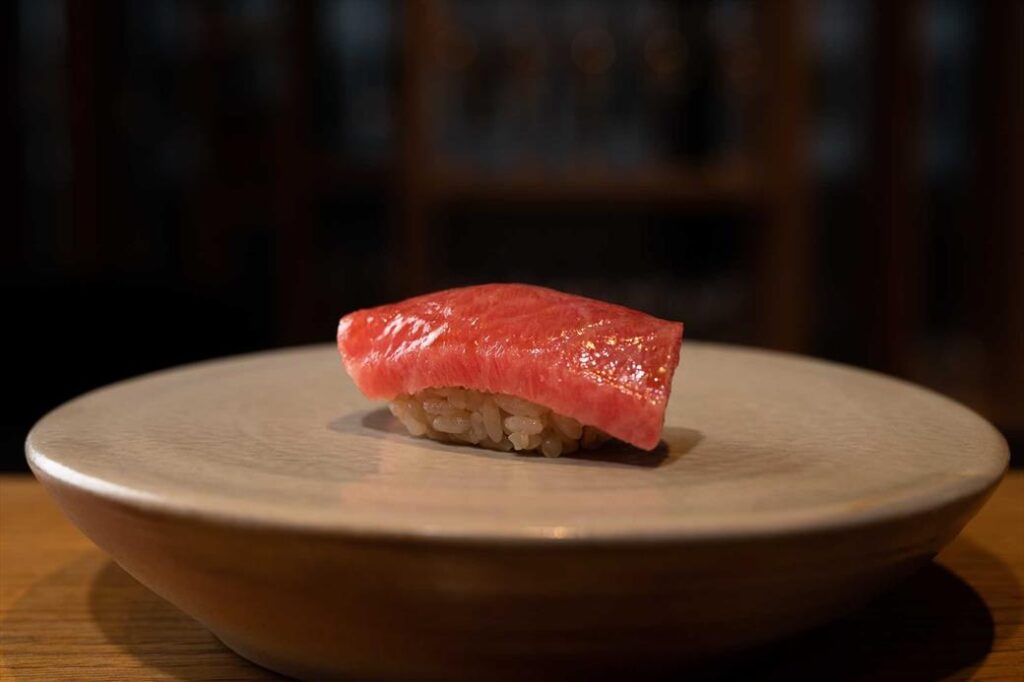
Credit: Sabi Omakase Oslo
Alex Sushi
Since opening in 2001, Alex Sushi has anchored Oslo’s fine dining sushi scene with a blend of innovation and consistency. The restaurant’s striking interior with high ceilings, contemporary art, and a signature oval counter where guests watch chefs work, creates an atmosphere that feels both theatrical and approachable.
Here, Norwegian salmon, halibut, and king crab are treated with reverence alongside traditional Japanese ingredients. The menu moves between classic preparations and creative interpretations, from delicate nigiri that melts on the tongue to signature rolls that surprise with unexpected flavor combinations.
Service strikes a graceful balance: knowledgeable without being stiff, attentive without hovering. The wine list leans French and Italian, carefully curated to complement raw fish and umami-rich preparations. Many visitors return specifically for the omakase menu, which showcases the kitchen’s range and the chef’s instinct for what’s best that day.
Alex Sushi captures an essential aspect of Oslo’s culinary identity. A willingness to honor tradition while embracing modern sensibility. It’s a destination for celebrations, business dinners, and anyone seeking sushi that feels both polished and genuine.
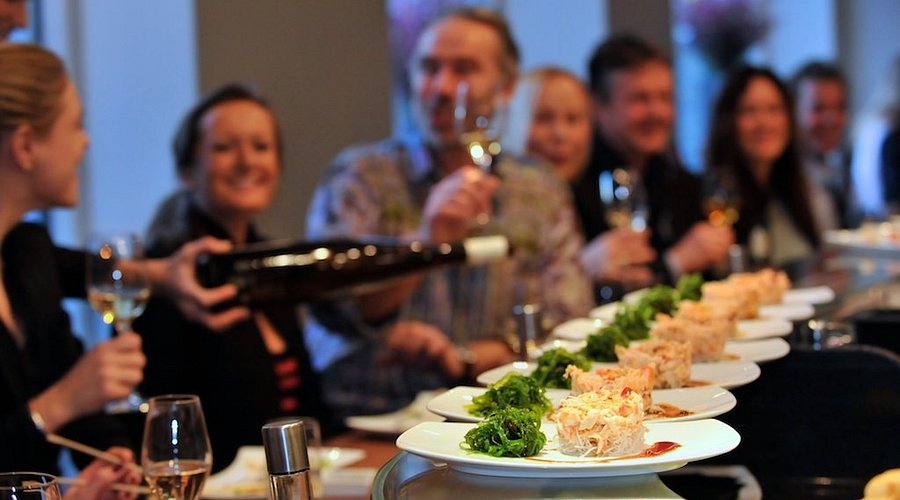
Credit: Tripadvisor
Hanami
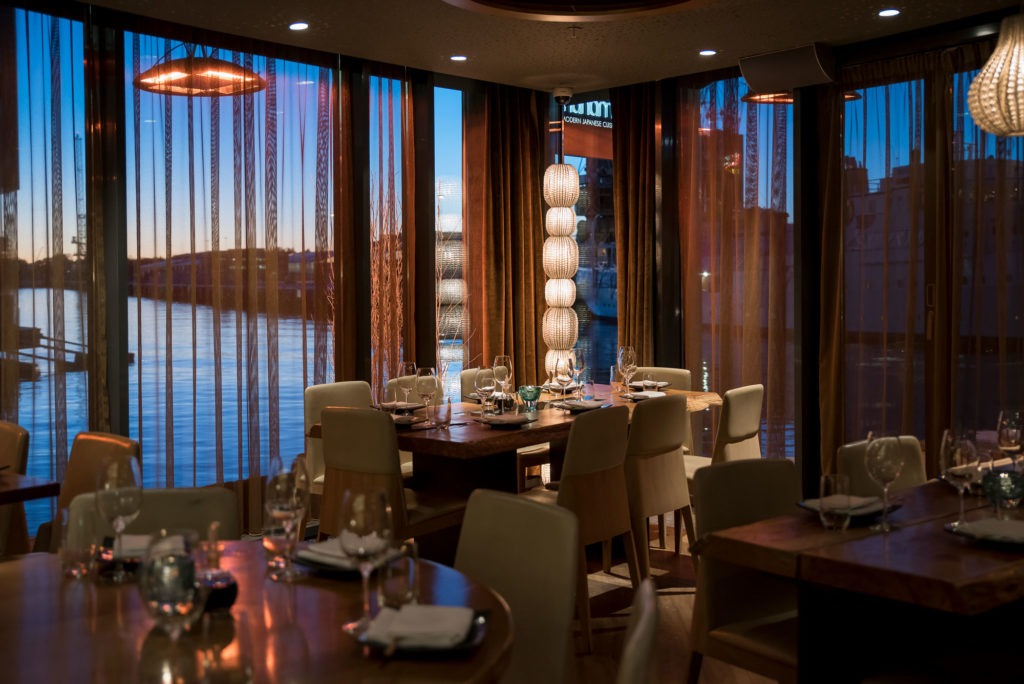
Positioned along Tjuvholmen’s sleek waterfront, Hanami brings Japanese fusion to one of Oslo’s most coveted dining locations. This isn’t sushi in isolation. It’s part of a broader izakaya-inspired menu that includes robata grill dishes, inventive small plates, and cocktails that marry Asian flavors with Nordic ingredients.
The sushi here leans contemporary with creative maki rolls, beautifully plated nigiri, and sashimi that benefits from Norway’s cold-water fish. While purists might prefer more traditional venues, Hanami’s appeal lies in its energy and versatility. The open kitchen hums with activity, the dining room buzzes with conversation, and the terrace, when weather permits, offers fjord views that elevate any meal.
Service is cosmopolitan, with staff who understand both the food and the scene. The space blends rustic and modern elements, including natural wood, soft lighting, and an atmosphere that invites lingering over shared plates and sake selections.
Hanami works beautifully for groups, for dates that want more than just sushi, and for anyone drawn to the intersection of Japanese technique and Scandinavian setting. It’s as much about the total experience as it is about individual dishes.
Credit: Hanami
Kanpai Izakaya
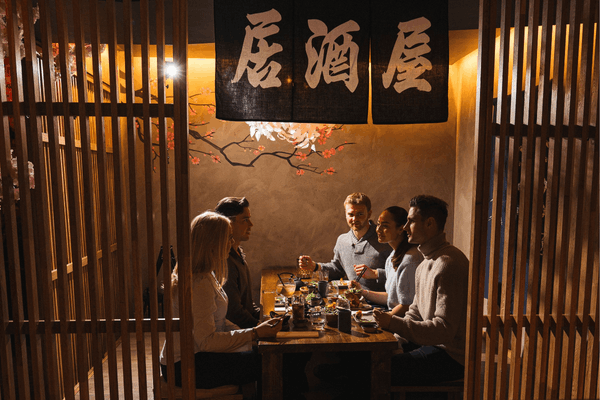
Kanpai Izakaya captures the spirited, convivial essence of Japanese izakaya dining. Forget quiet reverence. This is where energy, flavor, and laughter converge around shared plates and clinking sake cups. The restaurant’s tagline says it all: “Japan meets Norway, they make a baby.”
Sushi is served alongside charcoal-grilled meats, tempura, gyoza, and inventive combinations such as wagyu with salmon tartare. Each dish feels playful yet thoughtfully executed, and the format encourages ordering multiple plates to share. The tatami private room adds an authentic touch for larger groups seeking a more traditional setting.
The drink menu deserves attention: sake selections, Japanese-inspired cocktails, and mocktails that complement the bold, varied flavors. Service is friendly and unpretentious, matching the restaurant’s overall vibe. This is dining that feels less formal, more fun.
Located in Oslo’s Majorstuen area, Kanpai appeals to those who want Japanese food that doesn’t take itself too seriously while still delivering on quality and taste. It’s ideal for groups, for adventurous eaters, and for evenings that call for spontaneity over ceremony.
Credit: KANPAI IZAKAYA
MyMy Sushi
MyMy Sushi proves that excellence doesn’t require fanfare. Tucked just off Oslo’s main shopping streets near Sentrum, this modest spot has earned a loyal following for delivering fresh, well-executed sushi without the premium price tag.
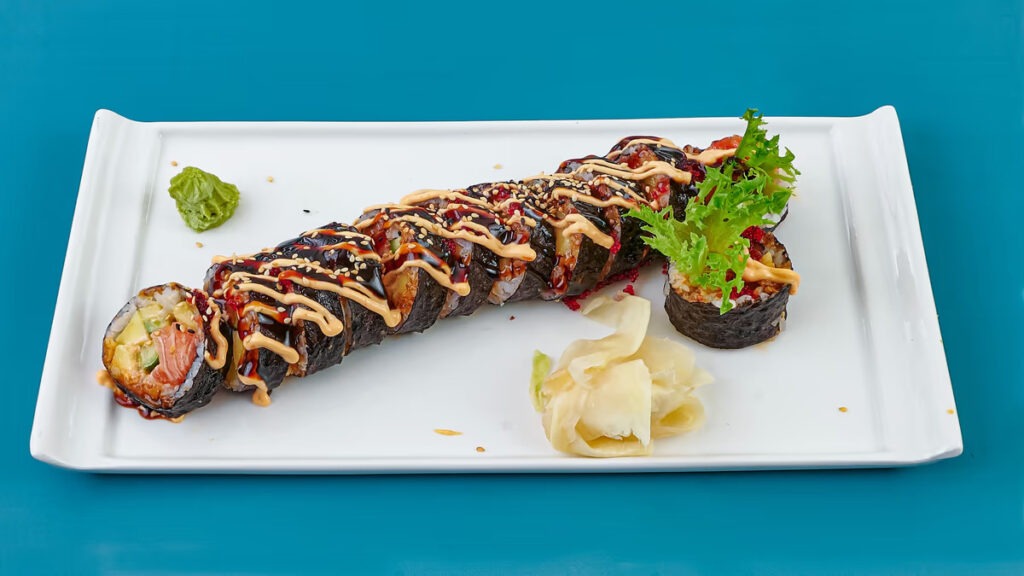
The menu focuses on classic nigiri, carefully rolled maki, and daily specials highlighting the freshest ingredients. Norwegian salmon features prominently, as it should, handled with the care and precision you’d expect from a city that takes its seafood seriously. The space is small, intimate, with just a handful of tables across two floors.
What MyMy lacks in drama, it compensates for with consistency and warmth. The staff are welcoming, the turnover is quick enough that everything tastes just-made, and the overall experience feels refreshingly straightforward. This is neighborhood sushi at its best: reliable, delicious, and easy to return to again and again.
Perfect for a casual lunch, a quick dinner, or takeaway when you’re craving quality sushi without the ceremony. MyMy reminds us that sometimes the best meals are the uncomplicated ones. All you need is good fish, good rice, and good hands making them.
Credit: Wolt
Sumo Restaurants
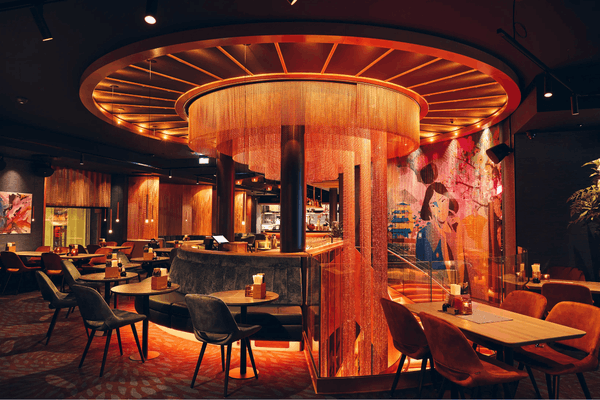
Sumo has grown into one of Oslo’s most recognizable Japanese restaurant chains, with multiple locations across the city, including Karl Johans gate, Solli Plass, and Bjørvika. This playful Asian fusion concept focuses on quality and detail, offering the same menu across all locations for consistent excellence.
The sushi selection ranges from classic nigiri to creative signature rolls, such as the famous “Sakura Maki” with tempura scampi and a strawberry topping. Beyond sushi, the menu expands into broader Asian territory with dumplings, poke bowls or stir-fried dishes making it ideal for groups with varied tastes.
The atmosphere varies by location but is generally vibrant and contemporary, with private tatami rooms at some branches, ideal for celebrations or business gatherings. Service is efficient and friendly, making it approachable for both sushi enthusiasts and newcomers.
Sumo offers accessible, reliable Japanese dining in Oslo, perfect for quality sushi without the formality, whether dining in or ordering takeaway. The chain’s popularity speaks to its ability to deliver consistently good food across multiple venues.
Credit: Sumo Restaurants
Nodee Sky
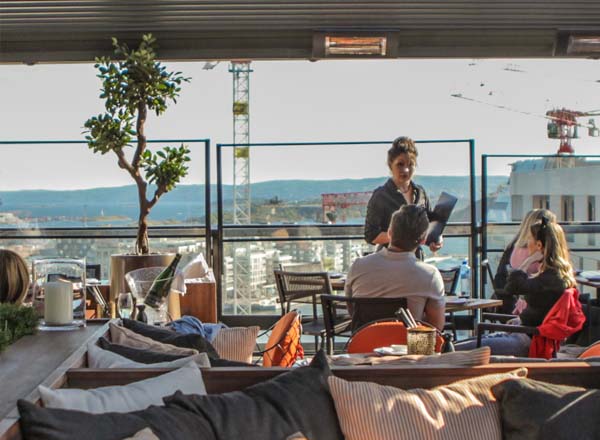
Perched on the 13th and 14th floors of a Barcode building, Nodee Sky offers modern Japanese cuisine with some of Oslo’s most spectacular views. This sleek restaurant combines a rooftop terrace, intimate dining spaces, and panoramic vistas of the capital and fjord.
The menu spans from delicate sushi and hand-rolled temaki to rich dishes from the robata grill, all with a subtle Nordic twist. Signature items include wagyu nigiri with shaved truffle and the “Ice Bear Roll” temaki featuring snow crab. The kitchen balances tradition with creative interpretation, resulting in dishes that feel both familiar and innovative.
The rooftop bar serves carefully crafted cocktails that complement the food, while the wine list focuses on natural and organic selections. During warmer months, the terrace becomes one of Oslo’s most sought-after dining spots, where sunset views pair beautifully with sake and small plates.
Service is attentive and knowledgeable, guiding diners through menu choices with genuine enthusiasm. Nodee Sky is ideal for special occasions, date nights, or anyone seeking Japanese cuisine elevated by its setting and atmosphere.
Credit: The Rooftop Guide
Sabi Sushi
Not to be confused with its Michelin-starred sibling, Sabi Sushi is Norway’s largest sushi chain with multiple locations throughout Oslo, including Vika and Storo. Founded in 2011, the brand has built its reputation on serving high-quality sushi at accessible points across the city.
The menu focuses on fresh, well-executed classics: nigiri, maki rolls, sashimi, and combination platters. Norwegian salmon naturally features prominently, showcasing the country’s exceptional seafood. Most locations offer both dine-in and takeaway, making it convenient for various occasions.
While the chain doesn’t aim for fine dining, it delivers consistency and reliability, qualities that have earned a loyal local following. The Vika location, in particular, has become known for its pleasant ambiance and attentive service, and it sits comfortably in Oslo’s business district.
Sabi Sushi represents quality neighborhood Japanese dining: unpretentious, dependable, and focused on letting good ingredients speak for themselves. It’s the kind of place locals return to regularly, knowing exactly what to expect.
Credit: Sabi Omakase Oslo
Sushibar+Wine
Sushibar+Wine brings a Finnish concept to Oslo with locations at Posthallen and Valkyrie Plass. This restaurant distinguishes itself through its commitment to sustainability: all seafood carries MSC or ASC certification, and it collaborates with WWF Norway on conservation efforts.
The sushi here incorporates Nordic touches, with dishes such as “Skandi Maki” featuring Baltic herring and “Halibut Supreme” highlighting local fish. Many items feature lightly grilled or seared fish, a signature technique that adds depth while maintaining freshness. The menu also includes excellent vegan options, making it inclusive for diverse dining groups.
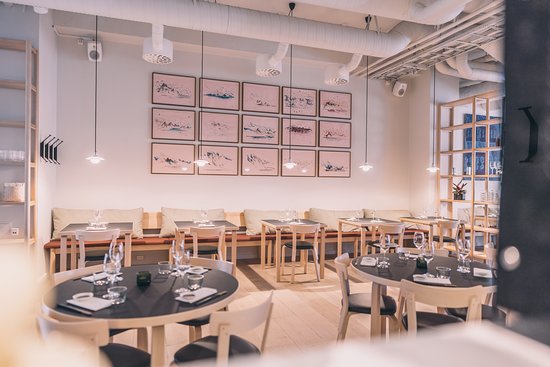
The wine program deserves special mention, focusing on organic and natural selections specifically chosen to complement raw fish and umami flavors. The Nordic-designed interiors feel clean and contemporary, creating a calm environment for focused dining.
Service is warm and informative, with staff happy to explain their sustainability practices and menu choices. Sushibar+Wine appeals to conscious diners who want their meals to align with their environmental values without compromising taste or quality.
Credit: Tripadvisor
Sushi & Dinner
Located near Bislett, Sushi & Dinner is a modest neighborhood spot that has quietly built a reputation for serving some of Oslo’s freshest and most affordable sushi. This is primarily a takeaway operation with a few tables for dine-in, serving students, locals, and anyone seeking quality without pretense.
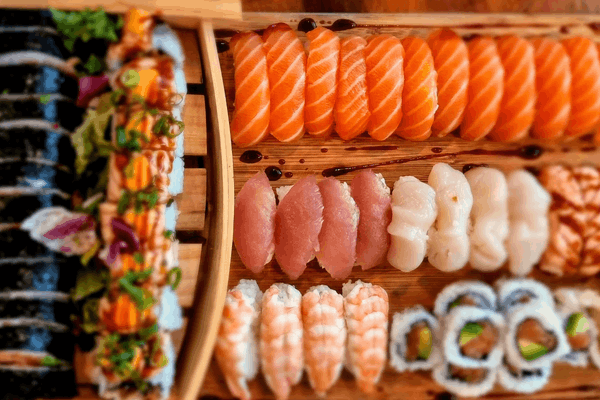
The menu keeps things straightforward with the classic nigiri, well-rolled maki, and tempura that arrives hot and crispy. The salmon-based items stand out here, benefiting from Norway’s exceptional seafood supply. Portions are generous, and the value proposition is hard to beat in a city known for high dining costs.
The interior is simple and functional, but the warmth comes from the friendly staff who clearly take pride in their work. Regulars praise the consistency, where every visit delivers the same fresh taste and careful preparation.
Sushi & Dinner represents the best of neighborhood Japanese dining: honest, affordable, and reliable. It’s the kind of place you discover by accident and return to by choice, grateful for its existence in your part of town.
Credit: Tripadvisor
Conclusion
Oslo’s best sushi restaurants reveal a city that understands quality, respects tradition, and embraces innovation in the final plate. From the hushed artistry of Sabi Omakase to the lively energy of Kanpai Izakaya, from Alex Sushi’s polished elegance to MyMy’s neighborhood charm, these venues offer more than just raw fish and rice. They offer experiences shaped by the place, the ingredients, and intention.
Whether you’re drawn to Michelin-starred omakase or casual weeknight maki, Oslo’s sushi scene delivers something rare: a genuine respect for the craft paired with the exceptional seafood that makes it all possible. Each restaurant on this list represents a different entry point into that conversation. Choose based on mood, occasion, and appetite.
If you’d like to pair your sushi exploration with deeper insights into Oslo’s design culture, neighborhoods, and hidden culinary gems, discover our private Oslo tours crafted to reveal the city with elegance, intention, and local expertise.
FAQ
Is sushi good in Oslo?
Yes, sushi in Oslo is exceptional. The city benefits from pristine Norwegian waters that provide some of the world’s finest seafood, particularly salmon, Arctic char, and king crab. Oslo’s sushi restaurants range from Michelin-starred omakase venues to neighborhood spots, all prioritizing freshness and quality. Many chefs blend traditional Japanese techniques with Nordic ingredients, creating a distinctive local style.
What is the most famous sushi restaurant in Oslo?
Sabi Omakase Oslo is the most celebrated sushi restaurant in the city, holding a Michelin star for its intimate 10-seat Edomae-style omakase experience. Alex Sushi is also highly renowned, having operated since 2001 as one of Oslo’s pioneering fine-dining Japanese restaurants. Both represent the pinnacle of sushi craftsmanship in Norway’s capital.
How much does omakase cost in Oslo?
Omakase experiences in Oslo vary by restaurant and number of courses. High-end, Michelin-starred venues like Sabi Omakase require a significant investment for a multi-course experience that lasts several hours. More accessible sushi restaurants offer set menus and à la carte options at various price points. Quality sushi is available across a range of budgets in Oslo.
Is Norwegian salmon used in Oslo sushi restaurants?
Yes, Norwegian salmon is prominently featured in Oslo sushi restaurants. Norway’s cold, clean waters produce salmon prized worldwide for sushi and sashimi. Many Oslo restaurants source directly from local suppliers, ensuring exceptional freshness. Some venues also incorporate other Nordic seafood, such as halibut, Arctic char, and scallops, alongside traditional Japanese fish.
Is sushi good in Norway?
Sushi in Norway is exceptionally high-quality due to abundant fresh seafood, particularly salmon, Arctic char, and king crab. Oslo and other major cities feature excellent sushi restaurants that blend Japanese techniques with Nordic ingredients. Norwegian salmon is world-renowned for sushi preparation. Prices are higher than in most countries, but quality matches top international standards with innovative Nordic-Japanese fusion options.
What food is Oslo known for?
Oslo is known for New Nordic cuisine, featuring locally sourced ingredients such as reindeer, elk, and seafood. Signature dishes include rakfisk (fermented fish), brown cheese (brunost), and salmon preparations. The city offers innovative restaurants, traditional Norwegian fare, and international cuisine. Food halls like Mathallen showcase artisan products. Hot dogs from convenience stores are surprisingly iconic Norwegian fast food.
Which is the most famous sushi?
Nigiri sushi is the most famous sushi style, featuring hand-pressed rice topped with raw fish like tuna (maguro) or salmon (sake). California rolls are internationally recognized, though not traditional Japanese. Sushi classics include toro (fatty tuna), ebi (shrimp), and unagi (eel). In Japan, Edomae-style nigiri from Tokyo is the pinnacle of sushi craftsmanship and carries a global reputation.
What are must-sees in Oslo?
Must-see Oslo attractions include Vigeland Sculpture Park, Oslo Opera House, Akershus Fortress, and the Royal Palace. Visit the Munch Museum for “The Scream,” explore the Fram Polar Ship Museum, and walk along Aker Brygge waterfront. The Holmenkollen Ski Jump offers panoramic views. See Viking artifacts at the Historical Museum until the Viking Ship Museum reopens in 2027.