Sweden’s culinary identity is subtle, sensory, and deeply rooted in landscape and season. From the briny tang of pickled herring on a crisp summer morning to the warm comfort of a cinnamon bun in a cosy fika café, Swedish traditional food reflects a culture that values simplicity, quality, and mindful eating.
These are recipes shaped by cold winters and bountiful summers, by lakes and forests and an instinct for preserving flavour rather than fleeting trends. If Danish smørrebrød feels artful, Swedish traditional dishes feel elemental. A handshake between ingredients and history.
This is a country where every bite tells a story, and every meal connects you to a place. Here are the classic Swedish dishes that define not just the plate, but a way of life.
Key Takeaways
- Swedish traditional food blends rural tradition with seasonal sensibility.
- Many dishes are rooted in preservation techniques like pickling, smoking, and curing.
- Nordic simplicity shines: quality ingredients need only gentle treatment.
- From street snacks to holiday feasts, comfort and balance dominate.
- Exploring these dishes provides authentic insight into Swedish culture and history.
1. Köttbullar (Swedish meatballs)
Köttbullar are the iconic dish most travellers associate with Sweden, and for good reason. These seasoned meatballs, traditionally made with a mix of pork and beef, are gently spiced with allspice and often served in a creamy gravy that balances richness with restraint.
You’ll typically find them accompanied by lingonberry jam, whose tart sweetness cuts through the savoury depth of the dish. On the side, buttery mashed potatoes or potatismos act as the perfect neutral base for the sauce.
They embody Swedish comfort food: unpretentious, deeply satisfying, and reflective of a culinary culture built around warmth and shared tables. Whether encountered in a fine‑dining interpretation or a homely café, köttbullar feels both familiar and distinctly Nordic.
Locals often enjoy them as part of a husmanskost, which is a home‑style cooking that prioritises flavour over flash.
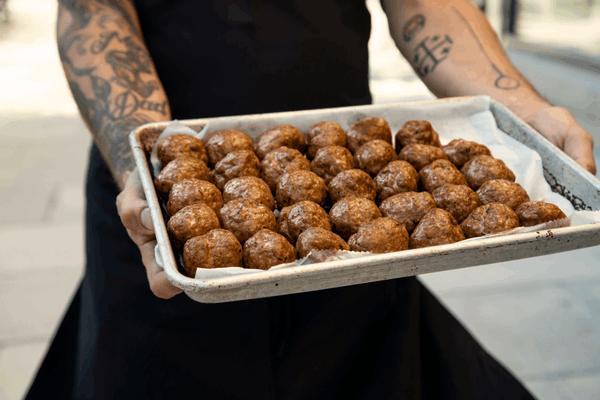
Credit: Clark Douglas
2. Sill (Pickled herring)
Pickled herring, or sill, is an enduring staple of Swedish traditional food, especially around festivities like Midsummer or Christmas. Herring fillets are cured and pickled in a variety of brines, from classic dill and onion to sweeter mustard or curry flavours.
The result is a fish that’s tangy, tender, and full of nuanced acidity, a perfect foil to the milder accompaniments on your plate. Swedes often enjoy sill with boiled new potatoes and a dollop of sour cream, pairing it with crisp rye bread and fresh dill. It’s a dish that rewards slow eating, where every bite unravels layers of texture and balance.
For many locals, enjoying sill isn’t just about taste. It’s about tradition, connection, and seasonality. Try it at a traditional smörgåsbord to experience the full range of pickling styles and regional variations.
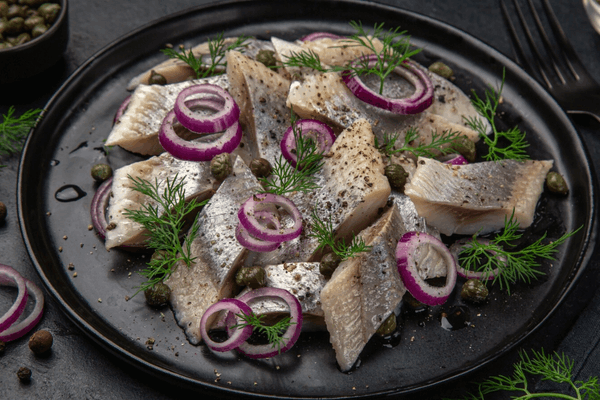
Credit: How Pickled Fish Became A Swedish Staple
3. Räksmörgås (Shrimp sandwich)
The räksmörgås is a lesson in simplicity elevated through freshness. This open‑faced sandwich begins with hearty Swedish bread, often a dense rye or sourdough, piled high with cold‑water prawns (räkor), crisp lettuce, and a gentle squeeze of lemon.
A few sprinkles of dill and a swipe of mayonnaise are all that’s needed to pull it together. It’s light yet satisfying. Perfect for a summer lunch on a terrace overlooking the water or a casual midday meal at an Oslo‑style café.
The quality of the prawns matters more than anything else here. They should be sweet and clean‑tasting, as seafood is the backbone of the experience. Its combination of texture and brightness makes it feel like the essence of Swedish summer on a plate. Even outside the warm months, locals seek this dish for its unapologetic freshness.
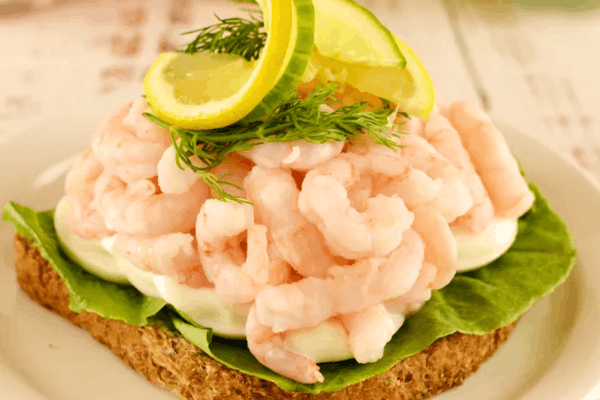
Credit: All Spiced Out
4. Gravlax
Gravlax is cured salmon done with intention and nuance: salt, sugar, and dill create a gentle transformation that draws out flavour without overwhelming the fish’s natural texture. Traditionally, fishermen and farmers used this technique to preserve catches before refrigeration. Today, it’s celebrated for its delicate balance and elegant simplicity.
Thin slices are often served with hovmästarsås, a mustard and dill sauce, and crisp bread or boiled potatoes. Gravlax highlights the Scandinavian respect for seafood and minimalism, where technique enhances rather than masks natural richness.
At a traditional lunch buffet or a refined restaurant, its translucent, rosy colour and subtle seasoning feel like a meditation on the sea. Pair it with a light white wine or a crisp aquavit for an experience that feels both historic and supremely present.
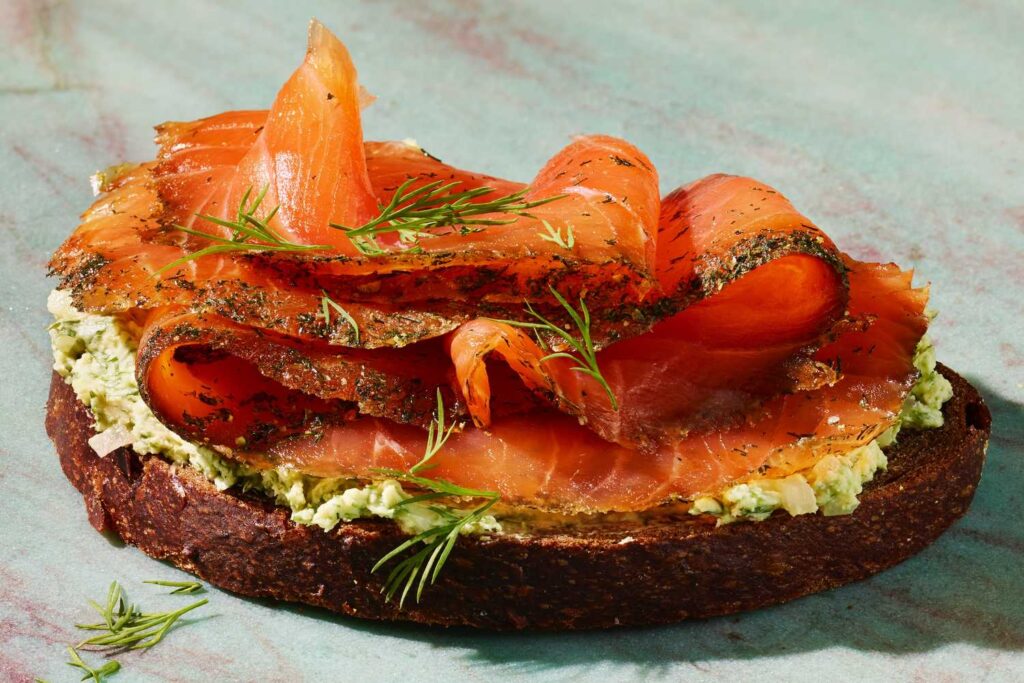
Credit: NYT Cooking – The New York Times
5. Surströmming (Fermented herring)
Surströmming sits on the fringes of Swedish cuisine, an acquired taste renowned for its strong aroma and deep‑fermented complexity. Baltic herring is fermented for several months, resulting in a pungent, bold character that Swedish aficionados approach with ritual and respect.
Traditionally eaten outdoors in summer or at surströmmingsskivagatherings, it’s typically paired with thin flatbread (tunnbröd), boiled potatoes, onions, and sour cream to balance intensity with freshness. This dish isn’t about subtlety but about heritage, endurance, and a communal eating experience that draws people together in shared curiosity and humour.
For many internationals, surströmming is more of a cultural tasting than a daily staple, but for locals, it remains a living link to coastal tradition and historical preservation techniques.
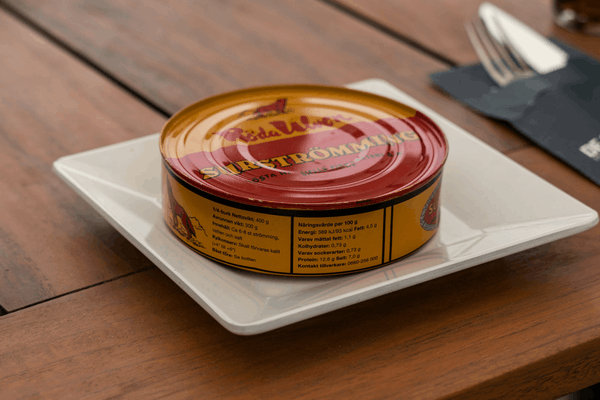
Credit: Paul Einerhand
6. Jansson’s temptation (Janssons frestelse)
Jansson’s temptation is a creamy gratin that epitomises comfort in Swedish culinary tradition. Layers of julienned potatoes, onions, and ansjovis (anchovy‑style cured fish) are baked with cream and breadcrumbs until golden and bubbling.
Don’t let the anchovy name fool you. The flavour here is deep and savoury without being overtly salty. The dish frequently appears on holiday tables, particularly at Christmas (julbord) and Easter (påskbord), where its rich warmth acts as a counterpoint to pickles and cold seafood.
Its texture is silky yet structured, and each spoonful feels like a warm embrace. Jansson’s temptation captures that Nordic knack for turns of texture and subtle complexity that reward slower, mindful eating.
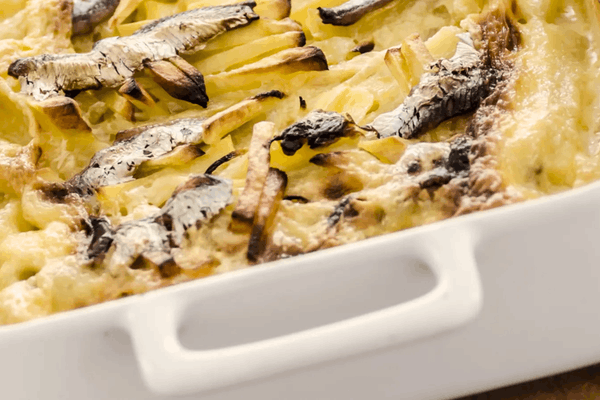
Credit: BBC
7. Knäckebröd and Ost (Crisp bread and cheese)
Knäckebröd, which is a crisp Swedish rye bread, is more than a side dish. It’s a culinary institution. Thin, brittle, and deeply rye‑flavoured, it anchors everything from breakfast butter to robust dinner toppings.
Pair it with quality Swedish cheese. Perhaps a creamy Västerbotten or a smoky Prästost. And you have a bite that feels elemental. Cheese and crispbread aren’t only utilitarian, they’re a meditation on simplicity.
The textures contrast: rigid cracker against lush, slightly aged cheese. Pair it with pickles, apple slices, or cloudberries for layers of sweet, salty, and sour that feel perfectly balanced. Eating this combination anywhere in one of Sweden’s city cafés or a mountain lodge feels like tapping into national memory.

Credit: Wasa
8. Raggmunk (Potato pancakes)
Raggmunk are thin potato pancake griddled until crisp at the edges and tender within, humble yet deeply satisfying. Traditionally served with fried pork or lingonberries (or both), they bridge savoury and sweet in a way that feels profoundly Swedish.
The grated potato gives a rustic texture that carries flavour beautifully, whether it’s the richness of bacon fat or the brightness of tart berries. They’re often enjoyed at husmanskost restaurants (home‑style cooking venues) where comfort and authenticity take priority.
With a dollop of sour cream and a scattering of fresh herbs, raggmunk becomes a dish that’s rustic without being rough. It can be eaten at any time – breakfast, brunch, or dinner.
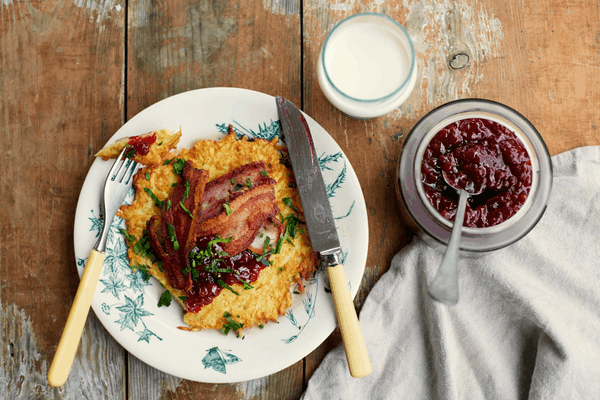
Credit: Visit Sweden
9. Prinsesstårta (Princess cake)
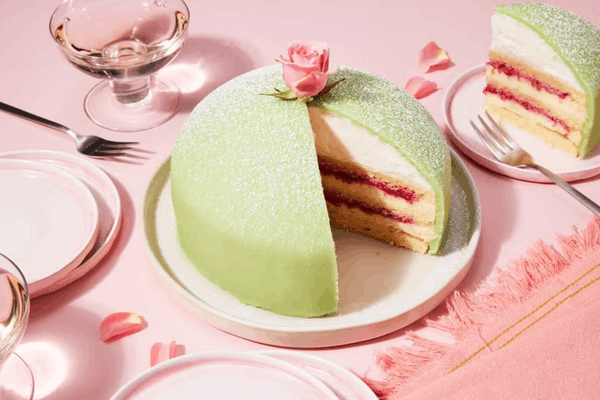
Prinsesstårta is less a meal and more a cultural ritual. It’s a layered cake defined by its soft green marzipan exterior and clouds of whipped cream within. Born in the early 20th century, it has become Sweden’s signature celebration cake, appearing at birthdays, weddings, and festive occasions.
Beneath that smooth marzipan lies sponge cake, raspberry jam, and vanilla cream, creating a blend of textures that’s both light and indulgent. There’s something ceremonious about peeling back each layer with your fork. It feels almost theatrical.
Served with coffee during fika, it becomes less dessert and more a moment of pause and pleasure. Prinsesstårta exemplifies Swedish refined, balanced, and joyfully colourful pastry craft.
Credit: King Arthur Baking
10. Kanelbulle (Cinnamon bun)
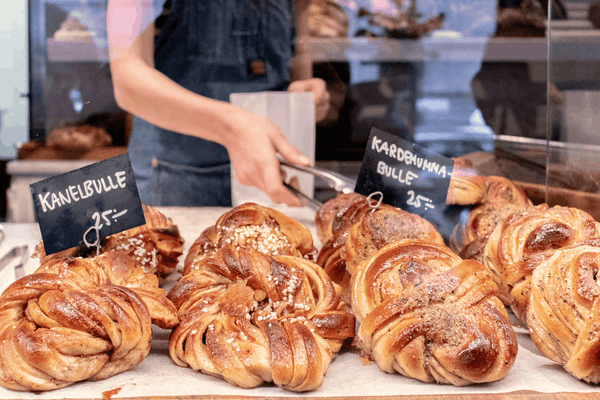
If Sweden has a national pastry, it’s the kanelbulle. Soft, warmly spiced, and just sweet enough, these cinnamon buns are revered to the point that Sweden established October 4 as Kanelbullens dag (Cinnamon Bun Day).
A perfectly baked kanelbulle boasts tender dough spiralled with cinnamon sugar and sometimes cardamom, finished with pearl sugar on top. It’s humble in concept but meticulous in execution. The dough should be airy, the spice fragrant, and the balance of sugar thoughtful.
Paired with strong coffee during fika, a cinnamon bun becomes a cultural touchstone, a daily ritual as meaningful as any formal meal. Locals take them seriously and travellers find instant affection.
Credit: Jessica Guzik
11. Toast Skagen
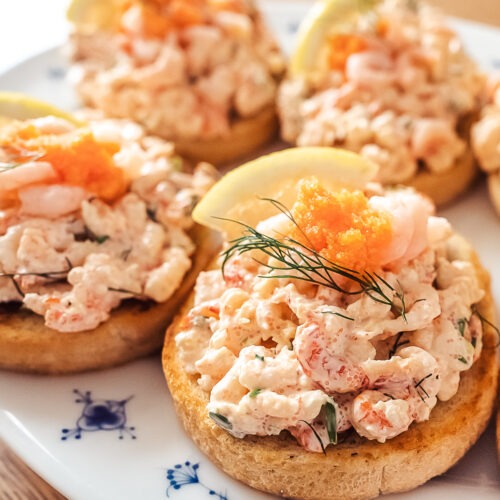
Toast Skagen is a light yet elegant starter that reveals the Swedish reverence for seafood and simplicity. Small prawns (räkor) dressed with dill and mayonnaise are piled high on golden toast, often garnished with roe or lemon zest.
Its components are few, but each one matters: fresh seafood, bright herbs, and crisp bread knit into a textural harmony. It’s a favourite in summer menus and classic restaurants alike, often served with chilled white wine or a glass of aquavit.
There’s a breezy Nordic confidence to the dish where no single ingredient overshadows another. The first bite feels cool and refreshing, the last lingers with salty brightness.
Credit: Scandinavian Cookbook
12. Ärtsoppa and Pannkakor (Pea soup and pancakes)
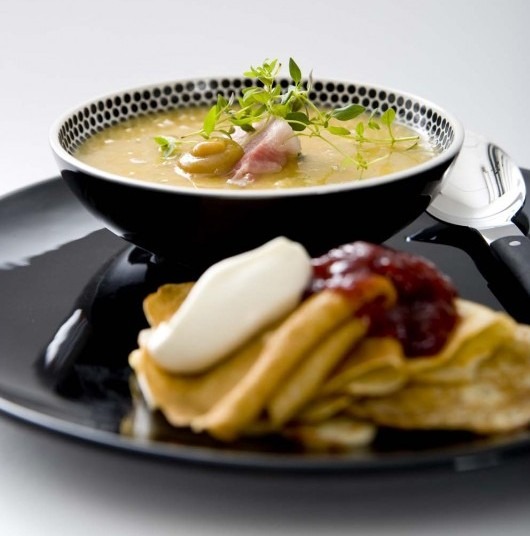
A traditional Thursday pairing, ärtsoppa (yellow pea soup) followed by thin pancakes (pannkakor) is a Swedish ritual with centuries‑old roots. The soup is earthy and warming, spiced subtly with marjoram and often served with mustard. A bowl that feels restorative on cooler days.
After the soup comes something light: thin, crepe‑like pancakes drizzled with berry jam and sometimes whipped cream.
The contrast between hearty and airy feels deliberate and comforting. This combination historically prepared bodies and spirits for the end of the week, and today it invites diners into a slow‑food tradition that feels deliberate and convivial.
Credit: Mat & Vänner
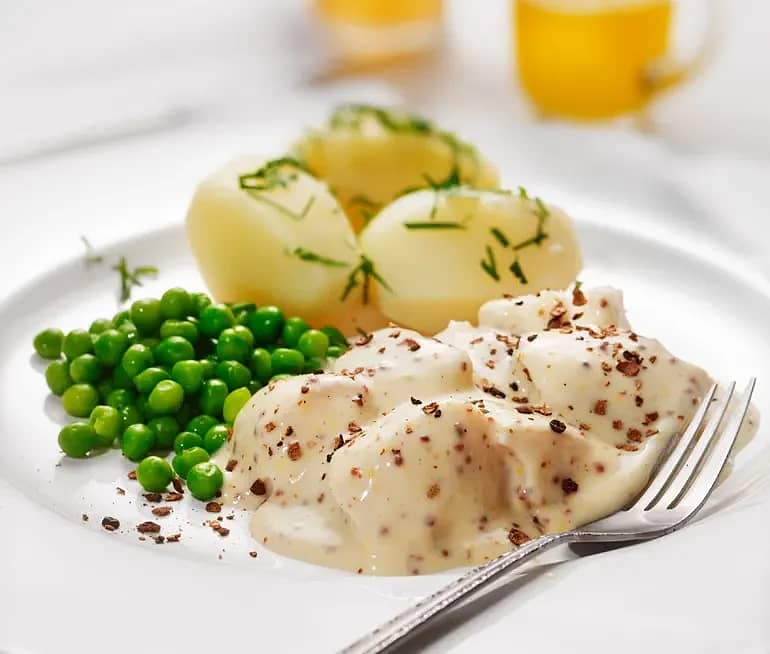
13. Lutfisk
Lutfisk is another traditional dish that stands out for its bold history. Dried white fish (often cod) is rehydrated in lye and poached, yielding a soft, gelatinous texture that’s unlike most other Nordic fish preparations.
This isn’t food for subtle palates, though, as the texture is distinctive and the history ancient. Lutfisk is typically served wrapped in white sauce, with boiled potatoes, peas, and sometimes bacon bits.
It’s most commonly enjoyed at Christmas or festive buffets (julbord) where communal eating and ritual take precedence over restraint. Eating lutfisk is an invitation to be present with tradition rather than criticising it.
Credit: ICA
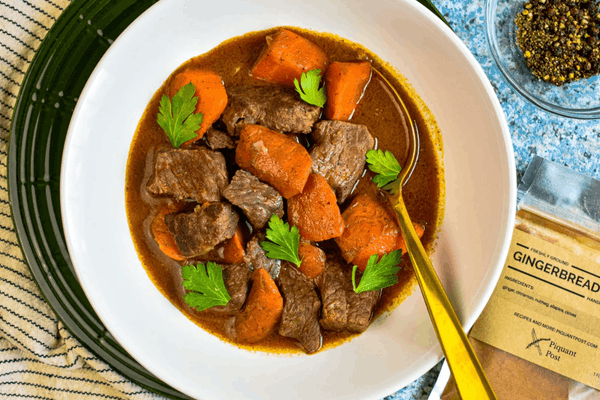
14. Kalops (Swedish beef stew)
Kalops is Sweden’s answer to hearty stews, a slow‑cooked beef dish simmered with onions, carrots, whole peppercorns, and bay leaf until the meat is meltingly tender. It’s the sort of plate you find in traditional pubs and countryside kitchens, often served with boiled potatoes and pickled beets to cut through the richness.
Unlike the heavier sauces of other European stews, kalops feels clean and generous. It’s a dish unafraid of simplicity. Sitting before a bowl of kalops, you feel warmth descend from your shoulders to your toes. It’s a reminder that Swedish traditional food often celebrates patience over pretense.
Credit: Piquant Post
15. Semla
A semla is a cardamom‑spiced wheat bun filled with almond paste and cardamom‑whipped cream. Traditionally eaten on Fettisdagen (Shrove Tuesday), it’s now embraced seasonally in cafés across Sweden. Each bite melds spice, cream, and sweet softness in a way that feels indulgent without overwhelming.
The bun’s cardamom notes anchor the flavour, while the almond paste adds grounded sweetness. It’s a pastry ritual with historical reverence and a treat that’s rich in custom and texture. Even outside of its traditional season, semla appears in variations like semla ice cream or even semla cake. It’s a dessert and a cultural narrative wrapped in one.

Credit: All Recipes
Conclusion
Swedish traditional food is not about flash. It’s about intention. Seasonality, preservation, simplicity, and balance are the principles that run through every dish.
From humble kanelbullar shared over coffee to ceremonial dishes like lutfisk that anchor festive gatherings, each plate tells a story of place, climate, and collective memory. Swedish cuisine doesn’t demand grand gestures. It invites you to taste with context, to savour with awareness.
If you’re imagining a journey that blends these flavours with deeper cultural experiences, from Nordic design to forest walks and city explorations, consider one of our bespoke Swedish tours. Explore Swedish heritage through its food, best restaurants, culture, landscapes, and stories that make every meal a chapter in your journey.
FAQ
What are traditional Swedish foods?
Traditional Swedish foods include meatballs (köttbullar), gravlax, pickled herring, crispbread, pea soup, and pancakes. These dishes often feature simple preparation, local ingredients, and seasonal produce, reflecting Sweden’s culinary traditions rooted in farming, fishing, and preservation.
What is the national dish of Sweden?
Sweden does not have an official national dish, but Swedish meatballs (köttbullar) are widely considered the country’s most iconic food. They are typically served with mashed potatoes, cream sauce, lingonberry jam, and pickled cucumber, both at home and in restaurants.
What is the most popular meal in Sweden?
The most popular meal in Sweden is Swedish meatballs with potatoes and gravy. It’s commonly eaten at home, in school cafeterias, and in restaurants. Other popular meals include salmon dishes, pasta, and traditional husmanskost, which refers to everyday Swedish home cooking.
What is a traditional Swedish diet?
A traditional Swedish diet is based on whole foods such as fish, potatoes, root vegetables, whole grains, dairy, and berries. It emphasizes seasonal, locally sourced ingredients with moderate portions. Historically, preservation methods like pickling, curing, and fermenting played an important role.