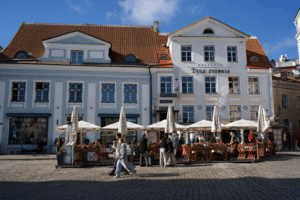
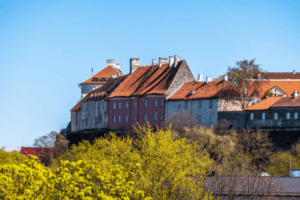
Estonian cuisine tells stories of resilience, resourcefulness, and deep connection to land and sea. Long winters demanded preservation techniques that became culinary traditions. The four distinct seasons provide a variety of seasonal ingredients, and simple staples like rye bread, potatoes, and pork sustained generations through occupation and independence alike. This is food shaped by geography, with about 3,800 km of coastline, the Baltic Sea provides fish that features alongside forest game and greenhouse vegetables in dishes reflecting Estonia’s northern location.
From verivorst, the traditional blood sausage and Estonia’s national dish to mulgi puder, the blend of potatoes, barley, and pork placed on UNESCO’s List of Intangible Cultural Heritage, from kiluvõileib sprat sandwiches on rye bread to kama’s ancient grain mixture, Estonian traditional food reflects Northern European influences, including Russian, German, or Scandinavian, while maintaining distinct identity rooted in what grows, swims, and roams this Baltic nation’s forests, fields, and waters.
Key Takeaways
- Estonian cuisine emphasises seasonal eating, with heartier winter dishes and lighter summer fare.
- Rye bread, potatoes, pork, and dairy products form the foundation of traditional Estonian cooking.
- Fish, particularly Baltic herring (räim) and sprats (kilu), feature prominently in coastal cuisine.
- Many dishes reflect preservation techniques: smoking, pickling, and fermenting to survive long winters.
- Modern Estonian restaurants blend traditional ingredients with innovative international techniques.
1. Verivorst (Blood Sausage)
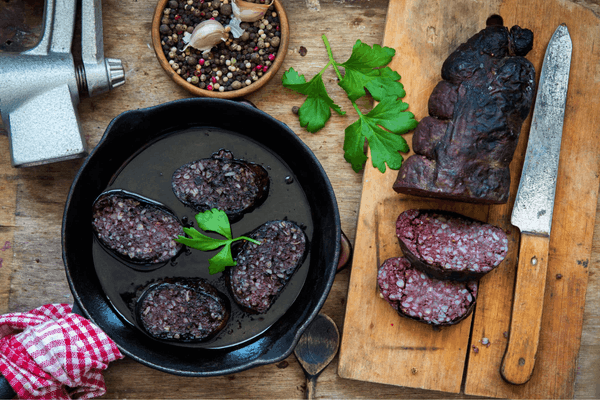
Verivorst is a traditional blood sausage and the country’s national dish, a typical winter meal usually served during Christmas festivities when piles of verivorst sausages are roasted together with potatoes and pork. Made from pig’s blood mixed with barley, pork, and spices, the sausage gets oven-baked or pan-fried until the casing crisps while the interior remains rich and savoury. Oven-grilled pork, blood sausage (verivorst), roast goose (jõuluhani), jellied pork (sült), sauerkraut (hapukapsas) with oven-roasted potatoes, and mulled wine have been part of the traditional Estonian menu that are now mostly Christmas specialities.
Traditionally served alongside sauerkraut, marinated pumpkin, sour cream, and cranberry jam, verivorst is a staple of Estonian Christmas tables, where the scent of roasting sausages fills Tallinn’s Christmas Market on cold winter nights. While blood sausage variations exist across Europe (Spanish morcilla, French boudin noir, or Irish black pudding), Estonia’s version, made with barley, adds a distinctive texture and flavour that define national identity through taste.
Credit: Remitly
2. Mulgipuder (Barley and Potato Porridge)
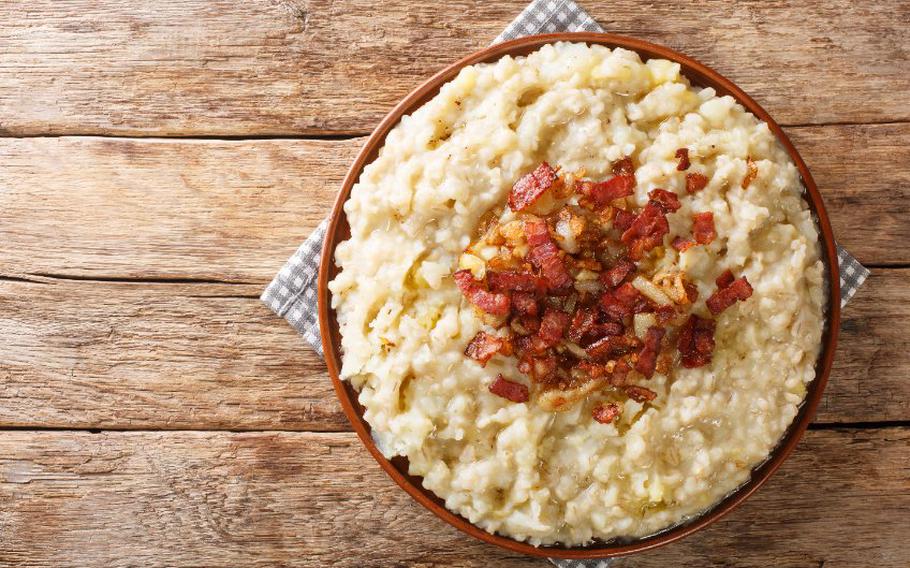
Mulgipuder is a rustic Estonian porridge made from mashed barley and potatoes, often with bacon and sautéed onions, and is usually served as the main course with sour cream and rye bread, or as a side dish to accompany various roasted meats. Mulgi puder has been placed on UNESCO’s List of Intangible Cultural Heritage and plays a significant role in the daily life of Mulgimaa, the region south of Viljandi.
In some restaurants, you can find mulgipuder as the main dish mixed with bacon and onions. This dish will definitely fill you up. Originally associated with Southern Estonia’s Mulgi people, this comfort-food staple has spread nationwide as a typical home-cooked meal and a common restaurant dish. The combination of grains and potatoes created a filling, economical dish that sustained Estonian families through challenging times, now celebrated as a cultural treasure rather than merely peasant food.
Credit: Stripes Europe
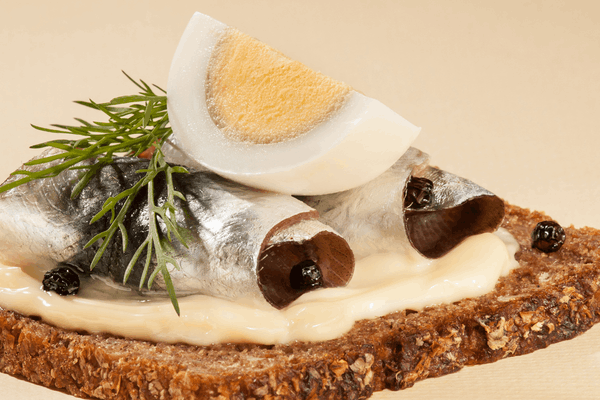
3. Kiluvõileib (Sprat Sandwich)
Vürtsikilu Suupiste is a type of Estonian sandwich prepared with sprats between slices of rye bread, cream cheese mixed with crushed garlic, and garnished with dill, green onions, and boiled egg whites. Spiced, salted sprats with a slice of boiled egg on an open sandwich (kiluvõileib) have been popularised as a distinctive Estonian appetiser, creating a snack that captures Estonian coastal identity through perfectly balanced, simple ingredients.
Sprats are a type of small, oily fish, much like sardines, that feature in many other typical Estonian dishes, sold smoked, canned, or pickled in spicy brine, and are traditionally accompanied by strong liquors such as Estonian vodka. The combination of salty fish, creamy cheese, and dense rye bread creates a textural and flavour contrast that satisfies completely despite minimal components. It’s Estonian cooking philosophy distilled into a single open-faced sandwich.
Credit: Taste Atlas
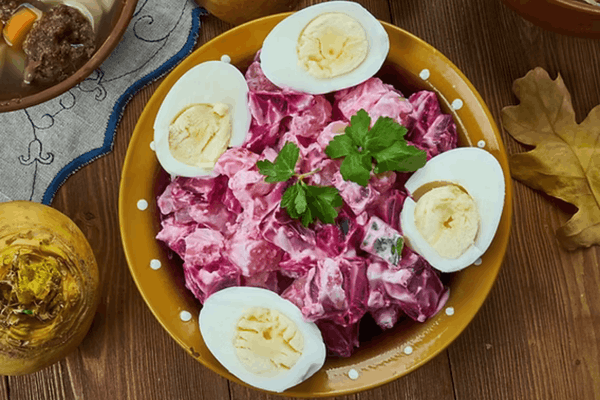
4. Rosolje (Beetroot and Herring Salad)
This popular fuchsia-colored salad is a staple side dish in traditional Estonian cuisine, prepared with pickled herring and bite-sized pieces of beet and potato, all coated in a refreshing, creamy dressing. The salad easily adapts to include onions, pickles, smoked meat, hard-boiled eggs, or apples, while the dressing usually combines mayonnaise and sour cream, with occasional additions of mustard, horseradish, and fresh herbs. Rosolje is served well-chilled as an excellent accompaniment to meat or sausages, creating a colourful presence on Estonian celebration tables.
The vibrant pink colour, courtesy of beets staining everything they touch, makes rosolje instantly recognisable at parties, birthdays, and gatherings. The dish achieved peak popularity between the 1930s and 1960s when no party felt complete without it, though modern Estonians continue the tradition of serving this beloved salad at celebrations, connecting contemporary feasts to historical Estonian food culture through familiar flavours and colours.
Credit: 400-Calorie Recipes
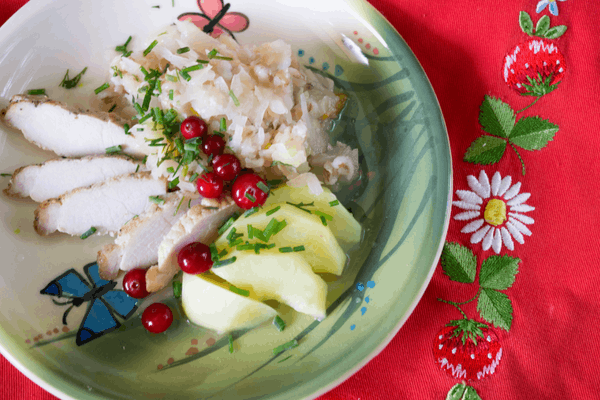
5. Mulgikapsad (Sauerkraut with Pork and Barley)
Mulgikapsad is considered the national dish of Estonia, consumed year-round, though Estonians commonly prepare it during major celebrations such as Christmas and New Year. This hearty stew combines sauerkraut, pork, barley, and potatoes into comfort food, particularly popular during colder months, representing traditional Mulgi cuisine from Southern Estonia. The slow-cooked preparation allows flavours to meld. Tangy sauerkraut softens, pork becomes tender, and barley absorbs savoury juices.
Most often served with fried onions and additional pork slices, mulgikapsad demonstrates how Estonian cooking transforms humble ingredients through time and technique into dishes that warm body and soul. The sauerkraut provides probiotic benefits alongside flavour, reflecting how Estonian preservation methods created both practical food storage and distinctive tastes, defining national cuisine.
Credit: Eesti Toit
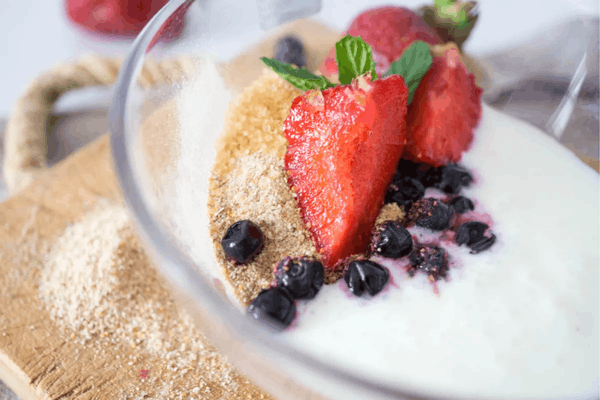
6. Kama (Roasted Grain Mixture)
This Estonian and Finnish classic is prepared with roasted and finely milled flours, usually oat, rye, barley, and pea flours, then blended with dairy products such as buttermilk, kefir, or sour milk to create cream. Kama represents an ancient superfood experiencing a modern revival as a health food, consumed for centuries as a nutritious breakfast or snack. You can find kama mixed into all kinds of desserts, but most commonly mixed with buttermilk or kefir, and in bakeries as kama cakes.
The nutty, slightly sweet flavour comes from roasting grains before milling, creating complexity impossible in raw flour. Mixed with sweetened whipped cream and topped with fresh seasonal berries, kama transforms into a kamavaht dessert that Estonians enjoy across generations. This traditional dish’s simplicity includes grain, dairy, and perhaps berries, exemplifying Estonian cooking philosophy, where quality ingredients need little manipulation to satisfy.
Credit: Estonian Cuisine
7. Black Rye Bread (Leib)
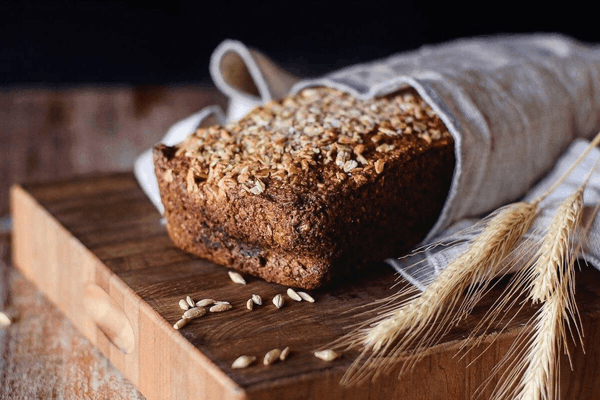
Bread has at least three different names in Estonian, showing just how important it is. “Black bread” is dark rye bread with a thin, crispy crust, quite healthy, available in a range of shapes and sizes in local markets, with many restaurants serving freshly baked bread using secret recipes. Dense, slightly sour, and deeply flavoured, Estonian rye bread sustains as a meal foundation, snack base, and cultural symbol. Dark rye bread made from leavened dough started to be baked about a thousand years ago and became synonymous with food in the figurative sense.
Estonians eat rye bread with nearly everything. Garlic bread is a pub snack, a foundation for open sandwiches, an accompaniment to soups and stews, and even transformed into leivasupp (bread soup), a dessert made with rye bread and apples. The bread’s density and keeping qualities made it essential for winter survival before refrigeration, creating a deep cultural attachment that persists despite modern convenience making other options equally available.
Credit: Visit Estonia
8. Kohuke (Curd Snack)
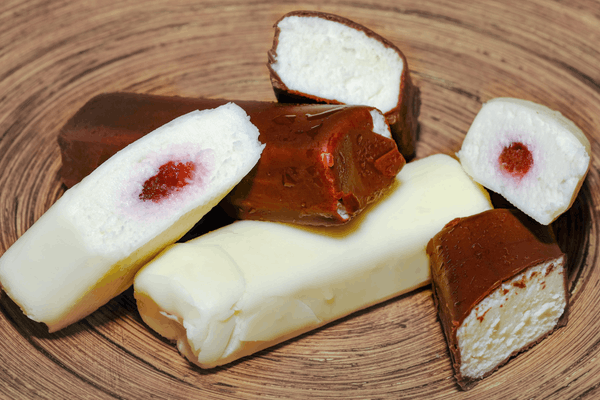
These chocolate-covered curd cheese bars represent Estonia’s favourite sweet snack, found in every supermarket refrigerator section in a dizzying variety of flavours and coatings. The creamy quark cheese centre, similar to sweetened cream cheese, gets enrobed in chocolate, creating a portable treat that balances protein-rich dairy with indulgent coating. Kohuke (plural: kohukesed) comes in flavours such as vanilla, berries, and caramel, with seasonal variations, keeping loyal fans returning for new discoveries.
The snack has become so popular that Estonians abroad cite kohuke among the foods they miss most from home, while visitors discover that these unassuming bars provide a surprisingly satisfying sweet fix. The combination of creamy, slightly tangy curd with sweet chocolate creates flavour balance, explaining why Estonians consume these by the millions annually, despite, or perhaps because of, their humble appearance and straightforward concept.
Credit: Tasting Table
9. Hernesupp (Pea Soup with Smoked Pork)
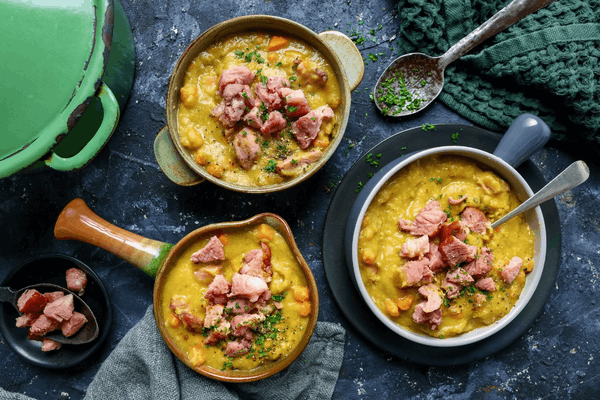
Hernesupp Suitsukoodiga is a traditional Estonian soup prepared by boiling onions, garlic, and smoked pork bones, with dried peas added, and cooking until the peas are soft. Occasionally, the broth is pureed for a creamier texture, with some recipes including carrots. Generally prepared on New Year’s Eve, this soup carries particular nostalgia for older generations of Estonians who remember childhood through the taste of smoked pork and floating aromas.
Pea soup is widely eaten, with traditional soups forming the main course, though nowadays it is more often eaten as a first course. The hearty nature of herne soup – thick with peas, enriched with smoked meat, and warming on cold days – exemplifies Estonian winter cooking, where a single pot provides complete nourishment. The soup improves with reheating as flavours deepen, making it practical for batch cooking and leftover lunches throughout winter weeks.
Credit: SA Pork
10. Sült (Jellied Pork)
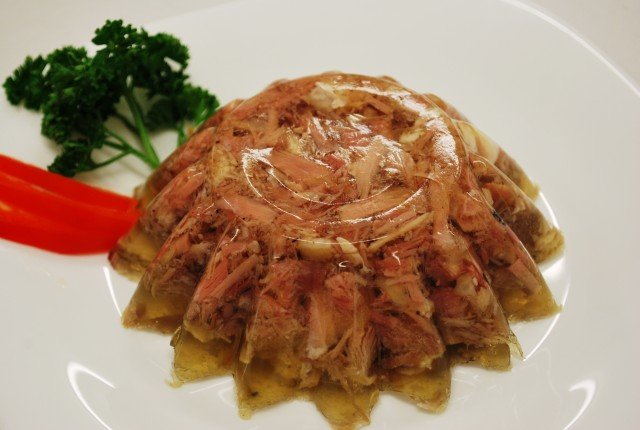
Jellied pork (sült) has been part of the traditional Estonian menu and is now mostly a Christmas speciality. This cold dish features pork pieces set in aspic jelly, typically served at Christmas and other celebrations, representing old Estonian food preservation techniques from the pre-refrigeration era. The natural gelatin from slow-cooking pork bones creates a jelly that suspends meat, vegetables, and seasonings in a savoury terrine, sliced and served cold.
The dish appears across Eastern European cuisines under various names, such as Russian holodets or Polish zimne nogi, though Estonian versions maintain a distinct character through local seasonings and preparations. Modern Estonians continue to make sült for holidays despite refrigeration eliminating the practical necessity, demonstrating how traditional foods persist through cultural importance rather than merely functional need. Served with mustard and vinegar, sült delivers rich, savoury flavours that cut through the richness of a holiday feast.
Credit: Estonian World
11. Wild Boar
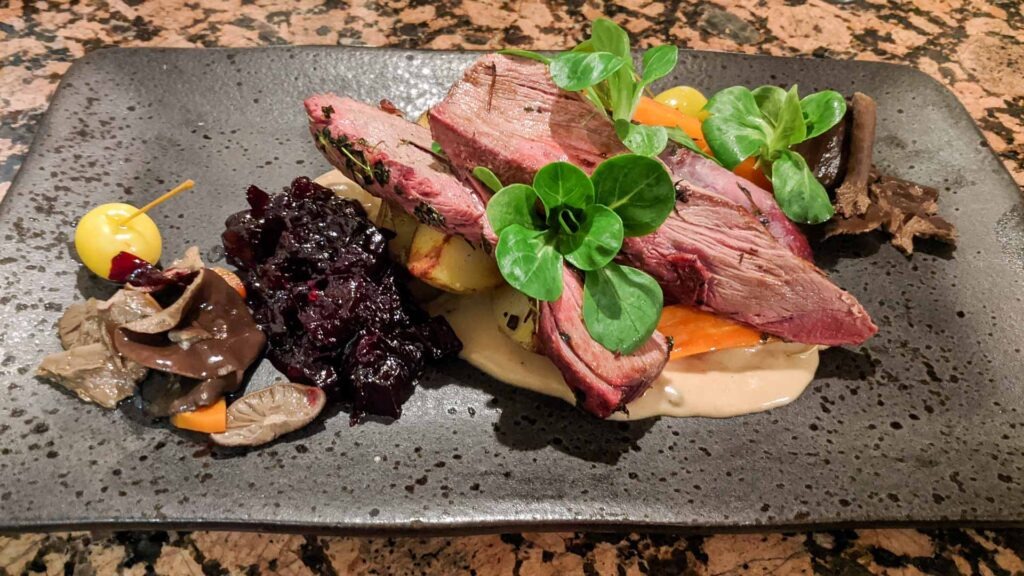
Estonia’s extensive forests provide prized game meat, including wild boar, offering a flavour experience richer and more intense than typical pork with a deep, earthy profile that pairs beautifully with rustic sides like potatoes and sauerkraut. Game hunting is a longstanding tradition, with wild boar meat appearing in traditional Estonian food stews, slow-cooked roasts, or hearty grills served in countryside inns and specialty restaurants.
Wild boar is a very strong but delicious meat that Estonians use in a variety of dishes, such as steaks, lasagna, and other preparations found all over the country. For adventurous eaters, wild boar provides a unique meat experience reflecting Estonia’s wilderness and culinary heritage, typically served with lingonberry sauce that balances gamey richness with tart sweetness. The hunting traditions connecting Estonians to forests where boar roam create a cultural context, making this more than merely an unusual protein.
Credit: Top Travel Sights
12. Pirukas (Stuffed Pastries)
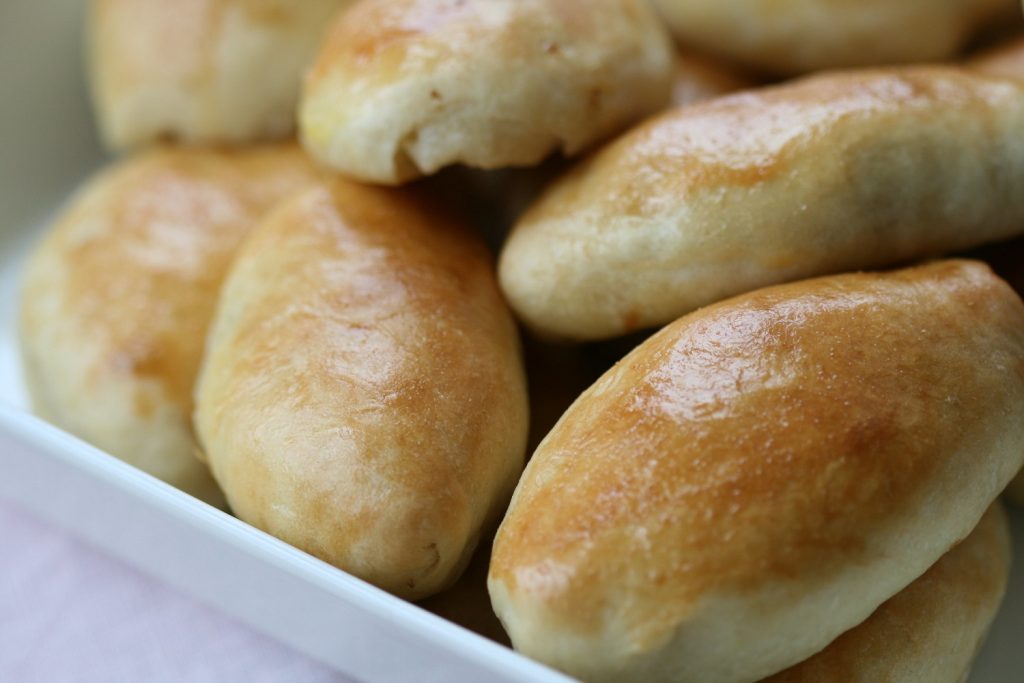
Pirukas is a typical Estonian snack consisting of dough pockets filled with a variety of ingredients, classified into three categories: küpsetatud (small, baked), praetud (small, fried), and plaadipirukad (large, baked). The dough can use crumbly, flaky puff pastry or regular bread dough, with fillings ranging from meat, ham, and cabbage to rice, mushrooms, and carrots. Small pirukas accommodate various fillings, while large versions stick exclusively to cabbage, meat, and carrots.
These portable pastries function as snacks, light meals, or party foods. Baked versions provide lighter options, and fried offer indulgent treats. Their versatility makes pirukas endlessly adaptable to seasonal ingredients and personal preferences, which helps explain their widespread popularity in Estonian homes and bakeries. Whether grabbed from market vendors or homemade for gatherings, pirukas represent Estonian baking traditions meeting the practical need for filling, portable food.
Credit: Estonian World
13. Eesti Kartulisalat (Estonian Potato Salad)
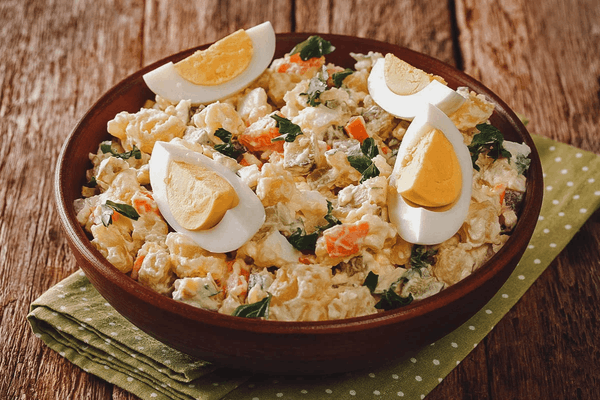
Eesti Kartulisalat is Estonian potato salad prepared using boiled potatoes and carrots sliced into bite-sized pieces, sliced boiled egg, cubed cucumbers, and smoked sausage. This beloved dish appears at every party, birthday, and celebration, made primarily with vegetables from Estonian home gardens, such as peas, carrots, potatoes, and cucumbers, plus mayonnaise and hard-boiled eggs, creating a rich, filling salad.
Eesti kartulisalat is one of the most popular traditional Estonian foods, always served at celebrations, and is easy to make, which explains its popularity. It’s rich, filling, and for most Estonians associated with delightful memories. The salad’s ubiquity at gatherings creates Proustian connections, where the taste immediately transports one to childhood parties and family celebrations, making simple potato salad emotionally significant beyond mere food.
Credit: Travel and Food Guide
14. Buckwheat
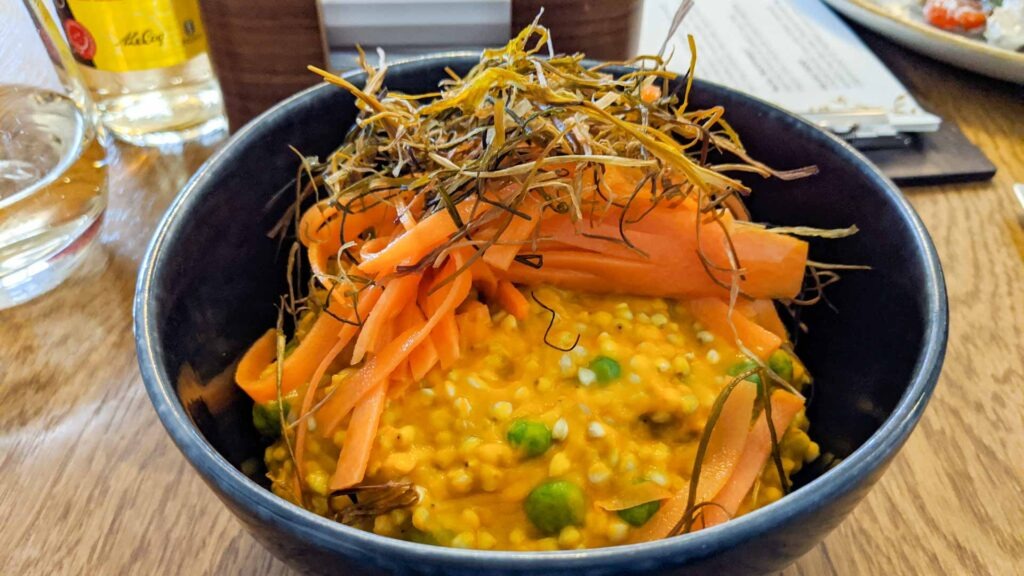
Though not native to Estonia, buckwheat has been widely embraced within Estonian cuisine and is now a familiar staple across homes and traditional eateries. Buckwheat, prepared almost like risotto, appears on menus here and there. The grain’s nutty flavour and substantial texture make it an ideal foundation for vegetable dishes or a side dish to accompany meat preparations.
Buckwheat’s health benefits include high protein content, essential amino acids, and gluten-free status. It appeals to modern Estonian diners while traditional preparations connect to broader Eastern European grain-based cooking traditions. Whether served as porridge, mixed with vegetables, or prepared risotto-style, buckwheat demonstrates how Estonian cuisine successfully incorporates non-native ingredients when they align with local taste preferences and nutritional values.
Credit: Top Travel Sights
15. Barley Sausage
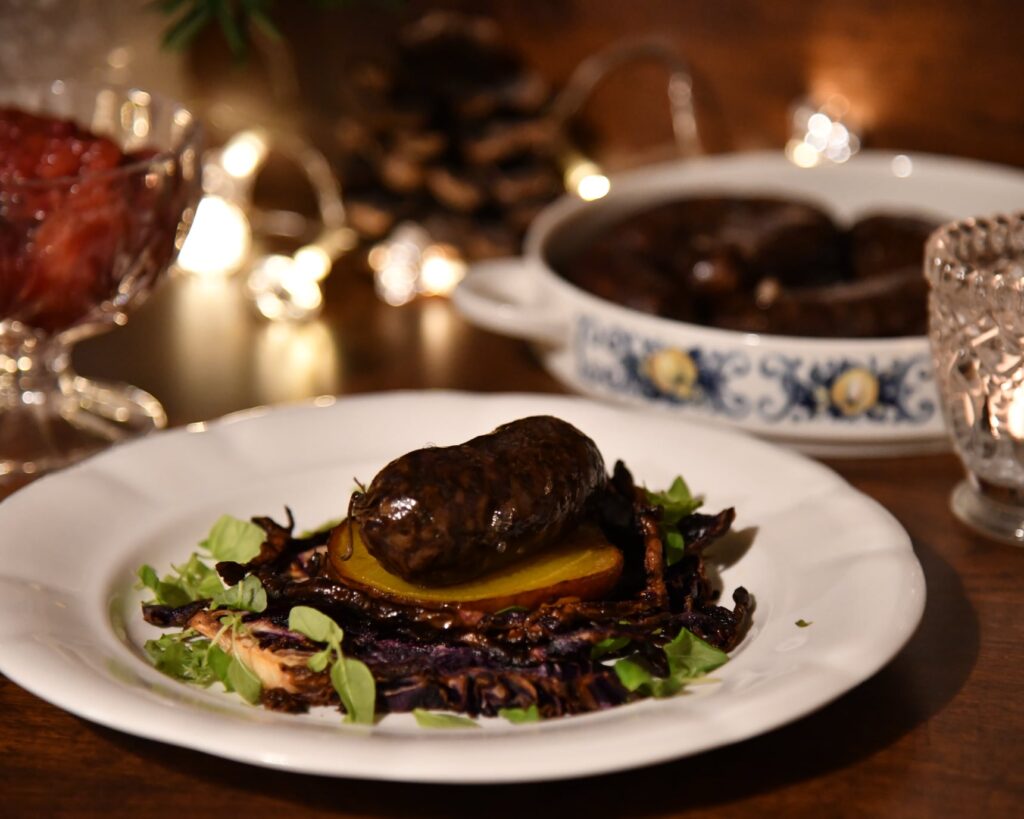
Barley sausage is a traditional Christmas food, harder to find on menus but similar to regular white sausage, except the meat is mixed with barley, adding a layer of flavour and enjoyable texture. Sometimes, versions mix blood sausage with barley for those seeking stronger flavours. The grain addition provides textural interest while economically extending meat content. It’s a practical approach defining much of Estonian traditional cooking.
By now you’ll notice that much of Estonian cuisine is based on grains, reflecting agricultural traditions in which barley, rye, and oats sustained populations through seasons when fresh produce became scarce. The sausages demonstrate how adding barley transforms simple meat sausage into something distinctly Estonian, creating a tradition worth preserving even when economic necessity no longer drives the practice.
Credit: Estonian World
16. Vispipuuro/Mannavaht (Whipped Berry Porridge)
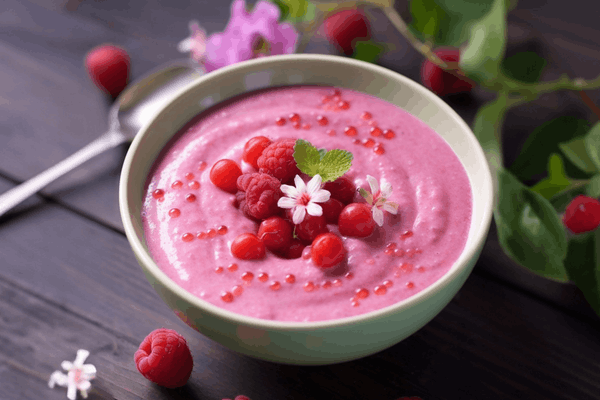
Vispipuuro, russedessert, klappgröt, debesmanna, or mannavaht are different names for creamy Baltic semolina porridge prepared with fresh fruit such as tart lingonberries, cranberries, or red currants. When cooked, thick porridge is whipped into a unique treat with a light, frothy consistency. Traditionally topped with cream or milk and garnished with fresh fruit, this dish is enjoyed across Finland, Estonia, Sweden, Norway, and Latvia as a sweet breakfast, light snack, or refreshing dessert.
The appealing pink colour, from berry juices whipped throughout, made this Estonian delicacy a frequent choice in kindergartens and schools, where its visual appeal helped persuade children to eat nutritious porridge. The cloud-like texture achieved through vigorous whipping creates an eating experience unlike typical porridges, proving Estonian desserts can achieve elegance through simple ingredients and proper technique.
Credit: Rimping Supermarket
17. Vastlakukkel (Shrove Tuesday Buns)
Vastlakukkel, also known as semla, is a sweet bun filled with whipped cream and jam, coated with powdered sugar, popular in the cuisines of Scandinavian countries such as Norway, Finland, Denmark, and Iceland. Vastlapäev, the Christian holiday celebrated at the start of a 7-week fast before Easter, centres around consuming these indulgent buns as the last sweet treat before Lenten restrictions begin.
The cardamom-spiced wheat bun gets sliced, filled generously with almond paste and whipped cream, then reassembled and dusted with powdered sugar, creating a pastry that balances spice, sweetness, and richness. Though shared across Nordic countries, each nation claims slight variations, making its version superior. Estonians proudly defend their vastlakukkel’s particular proportions and preparations as an ideal interpretation of this beloved seasonal treat.

Credit: ERR
18. Küpsetatud Õunad (Baked Apples)
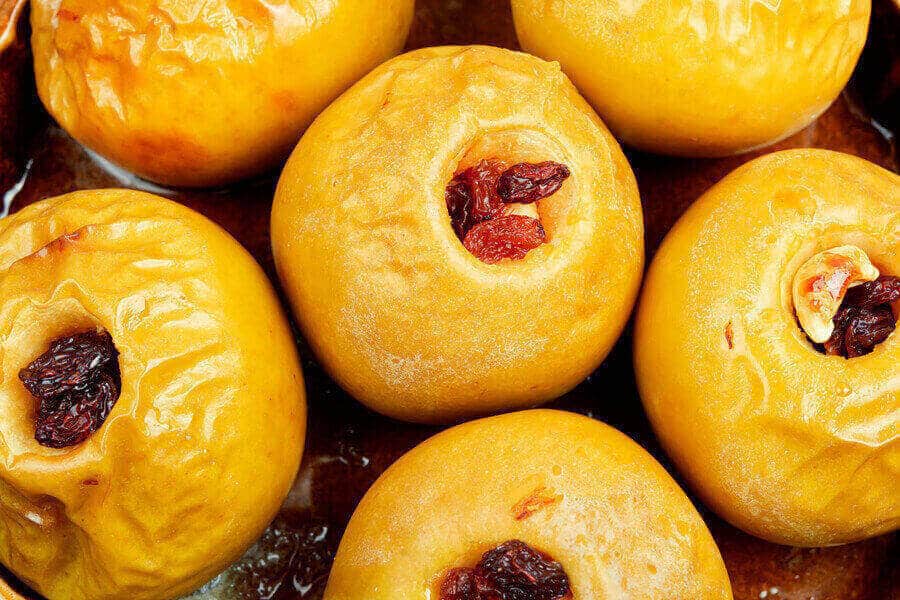
Apples are the most popular fruit in Estonia. In autumn, during apple season, many Estonian dishes are made from apples, like apple jam, juice, and cakes, with küpsetatud õunad literally meaning “baked apples”. Apples get washed and hollowed, filled with a mixture of sugar or honey, raisins, cinnamon, and hazelnuts, then baked until hot and tender. This delicious Estonian dessert is just as popular on cold winter nights as bright summer days.
The simplicity belies satisfaction. Warm baked apples release aromatic steam, the sweet filling melds with the fruit’s natural tartness, and the result is a healthy dessert that feels indulgent without heaviness. The abundance of apple trees in the Estonian countryside makes this accessible treat using ingredients most families grow themselves, connecting seasonal eating patterns to what gardens provide rather than what stores stock.
Credit: Nomads Unveiled
Conclusion
Estonian traditional food reveals a nation that transformed geographic and climatic challenges into a culinary identity. Long winters demanded preservation, creating distinctive flavours, forests and seas provided protein alongside agricultural staples, and Russian, German, and Scandinavian influences blended into something distinctly Estonian. From verivorst’s Christmas celebration to mulgipuder’s UNESCO recognition, from kiluvõileib’s coastal simplicity to kama’s ancient grain wisdom, these dishes tell stories of resilience, resourcefulness, and deep connection to the land that shaped Estonian character across centuries.
Whether you seek hearty winter warmth in sauerkraut stews and blood sausages, summer lightness in berry porridges and fresh fish, or an understanding of how a small nation maintains its culinary identity despite powerful neighbours, Estonian food delivers experiences that root you in place, season, and tradition. Each dish represents not just sustenance but cultural memory of ways of being Estonian, expressed through what ends up on the plate and warms the soul.
If you’d like to explore Estonian food culture alongside the country’s medieval Tallinn, pristine nature, and rich cultural heritage, discover our private Estonian experiences crafted to reveal this Baltic nation with local insight, historical depth, and moments that transform tourism into a genuine understanding of how Estonians live, eat, and celebrate their remarkable resilience.
FAQ
What is the national food of Estonia?
Estonia’s national food is black bread (rukkileib), a dense rye bread that has been a staple of Estonian cuisine for centuries. It is commonly served with butter, cheese, fish, or cold cuts and is an important symbol of traditional Estonian food culture.
What is Estonia’s famous food?
Estonia is known for hearty dishes made with local ingredients such as rye, potatoes, pork, and fish. Popular foods include black bread, smoked fish, blood sausage (verivorst), sauerkraut, and traditional soups. Many dishes reflect Nordic and Baltic culinary influences.
What do they eat for breakfast in Estonia?
A typical Estonian breakfast often includes rye bread with butter, cheese, or ham, along with eggs, porridge, yoghurt, or cottage cheese. Tea or coffee is usually served, and breakfast tends to be simple, nutritious, and similar to other Northern European diets.
What are five traditional foods?
Five traditional Estonian foods include black bread (rukkileib), blood sausage (verivorst), sauerkraut, smoked Baltic fish, and kama, a traditional flour mixture often mixed with yoghurt or kefir. These dishes reflect Estonia’s rural traditions and seasonal ingredients.