Tallinn has become one of northern Europe’s most exciting food cities, and it happened quickly.
In 2022, Tallinn became the first Baltic capital to receive Michelin stars. By the 2026 Michelin Guide, the city had 34 listed restaurants, two of them starred, with Bib Gourmands awarded to some of the most interesting young kitchens in the region. Alongside the starred restaurants sits a broader scene of creative neighbourhood bistros, historic Old Town restaurants, natural wine bars, craft taprooms, and market food halls – all shaped by a new generation of Estonian chefs who treat local ingredients with genuine respect and considerable ambition.
This guide covers the best restaurants in Tallinn in 2026, from the two-starred fine dining room at Noblessner to the neighbourhood tapas bar that earned its Michelin recognition by turning Estonian food on its head.
Key Takeaways
- Tallinn has two Michelin-starred restaurants: 180° by Matthias Diether (two stars) and NOA Chef’s Hall (one star).
- The city’s most exciting neighbourhood for food is the Kalamaja district, which houses F-Hoone, Põhjala Tap Room, and several of Tallinn’s most creative independent kitchens.
- The Old Town contains both tourist-trap restaurants and genuine classics – Rataskaevu 16 and Leib Resto are among the best.
- Estonian cuisine is built on local seasonal produce, wild game, fermented ingredients, and exceptional fish from the Baltic.
- Reservations are essential at 180°, NOA Chef’s Hall, and Rataskaevu 16; most other restaurants accept walk-ins or same-day bookings.
Michelin-Starred
180° by Matthias Diether
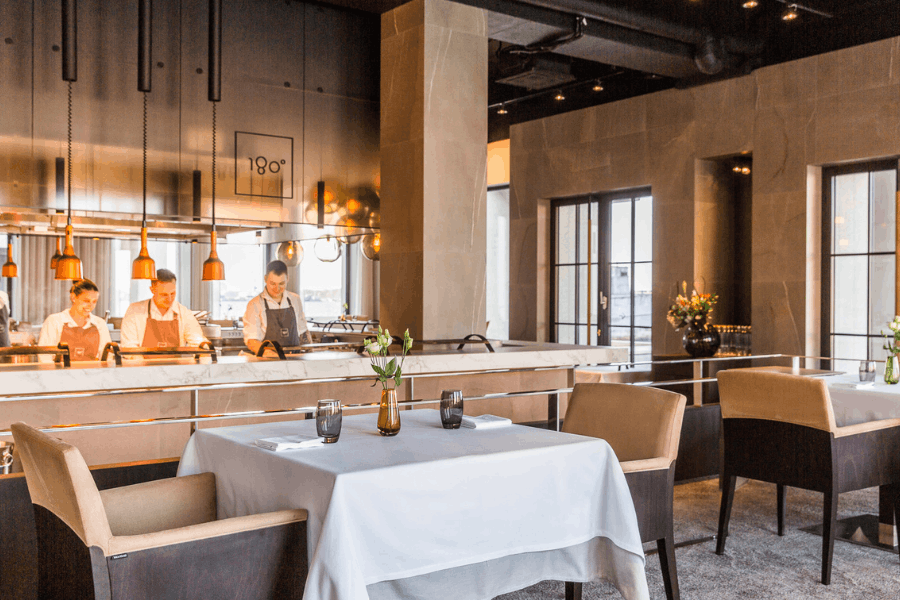
In the Noblessner waterfront development – a converted submarine factory north of the Old Town – 180° is Estonia’s finest restaurant and the highest-rated in the Baltic states.
Berlin-born chef Matthias Diether has held two Michelin stars here since 2023. The restaurant is named for the 180-degree view from its U-shaped open kitchen, which looks across the Baltic from a room of considered, modernist elegance. The cooking is European fine dining of considerable ambition: technically precise, richly flavoured, and informed by Diether’s relationships with Estonian producers, particularly the wild game and root vegetables of the Estonian countryside.
The four-course Flavours of 180° menu and the six-course Matthias’ Inspiration are the two formats. Both are exceptional. This is destination dining in the fullest sense.
Reservations essential. Open for dinner Wednesday to Saturday.
Credit: White Guide
NOA Chef’s Hall
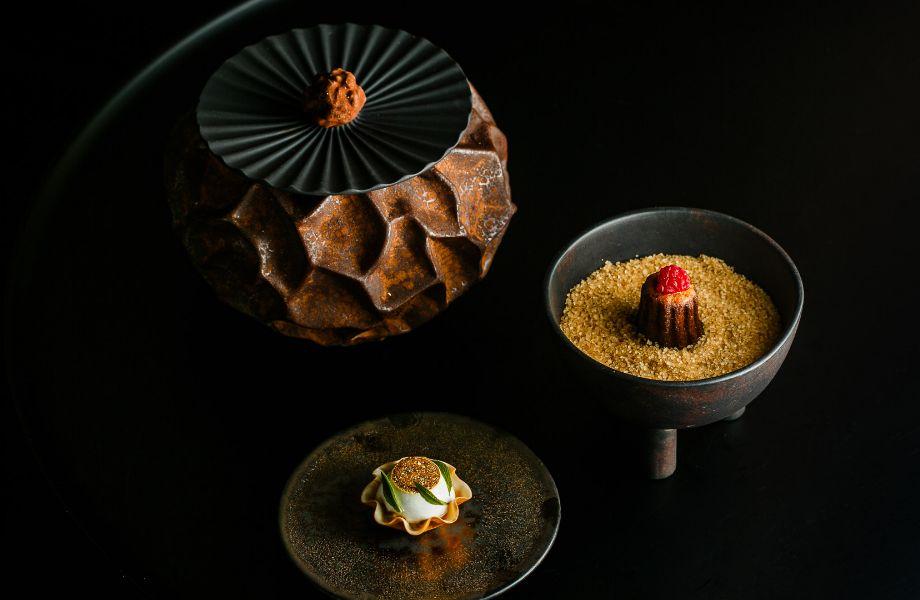
On the Pirita coast north of the city, NOA Chef’s Hall is Estonia’s one-Michelin-starred restaurant. It’s got an unforgettable tasting menu experience in a seafront building with views across Tallinn Bay to the city skyline.
The kitchen has been shaped by head chef Orm Oja, whose approach draws directly on Estonian seasonal ingredients: sea buckthorn, pine, birch sap, fermented dairy, Baltic fish, and wild herbs from the surrounding forests and coast. The tasting menu changes regularly and expresses a genuinely Nordic-Estonian sensibility that is restrained, precise, and deeply rooted in place.
The adjoining NOA Restaurant offers a more casual version of the same ethos, with a broader à la carte menu and the same panoramic views of the bay.
Reservations essential.
Credit: 50Best Discovery
Michelin-Recognised
Fotografiska
The Tallinn outpost of the Fotografiska museum, located in a grand historic building near the port, holds both a Michelin Green Star for sustainability and a Bib Gourmand for exceptional value.
The restaurant operates as the dining room of a photography museum, but entirely justifiable for the food alone. The kitchen is built around seasonal Estonian ingredients, organic sourcing, and a low-waste philosophy that runs through the entire operation. Menus change with the season; the daily tasting menu is the best way to experience the kitchen’s full range.
The building itself is a beautiful early 20th-century edifice overlooking the harbour, and it gives the meal a setting that most dedicated restaurants cannot match.

Credit: Fotografiska Tallinn
FUME
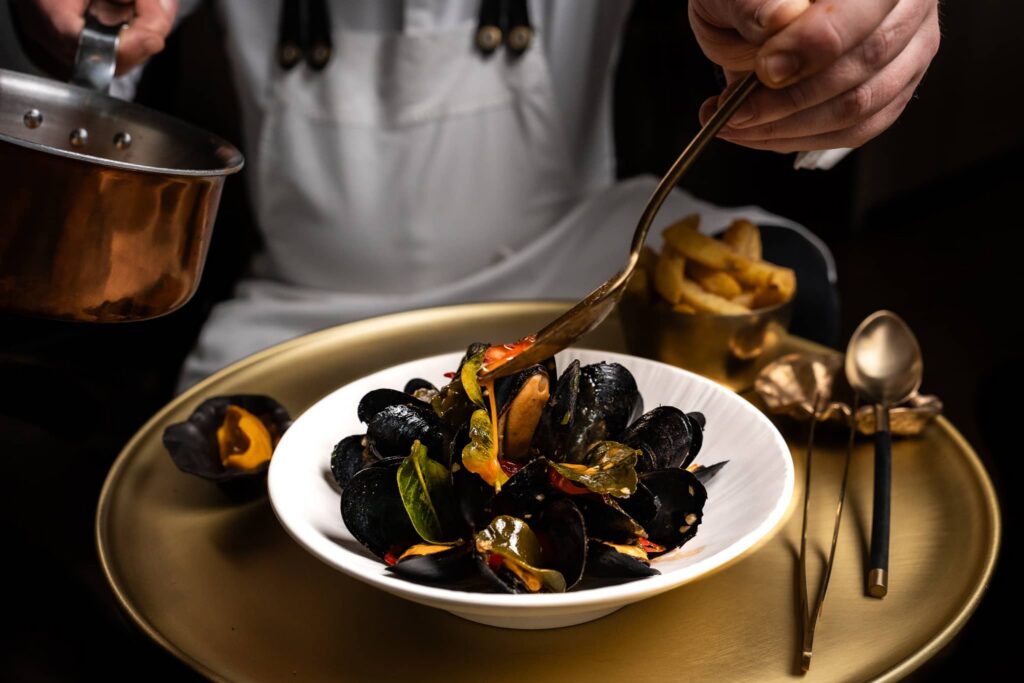
In Tallinn’s Kadriorg neighbourhood, FUME is a bistro and bar that earned its Michelin Bib Gourmand for cooking that combines genuine quality with an entirely relaxed and accessible format.
The menu draws on wood-fire cooking techniques, seasonal Estonian produce, and confident flavour combinations that feel informed by the Nordic culinary tradition without being constrained by it. The natural wine list is one of Tallinn’s most interesting.
FUME is the kind of neighbourhood restaurant that anchors a food culture – somewhere that residents return to not for special occasions but simply because it is reliably excellent.
Credit: FUME restoran
Vesta
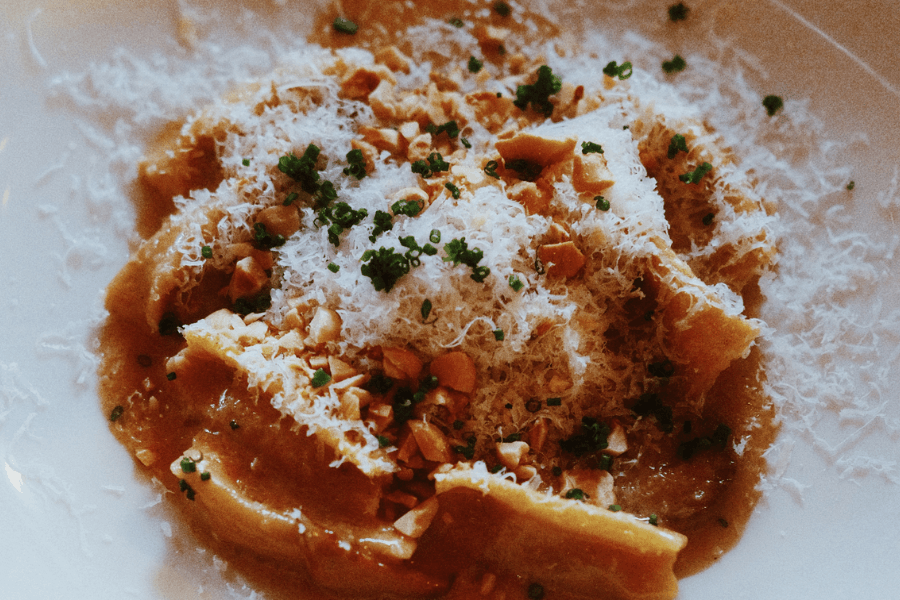
Vesta opened in 2025 in a converted dive bar near Telliskivi and immediately earned a Michelin Bib Gourmand, which tells you something about the pace at which Tallinn’s food scene is moving.
The concept is Estonian food as tapas: small, shareable plates that take the traditional ingredients of the Estonian table and apply contemporary technique and genuine creativity. The beetroot dish, served to resemble cured salmon so closely that it surprises even experienced diners, has become something of a signature. The team is young, the service exceptional, and the food surprising in the way that the best new restaurants always are.
Credit: VESTA Restaurant
Old Town Classics
Rataskaevu 16
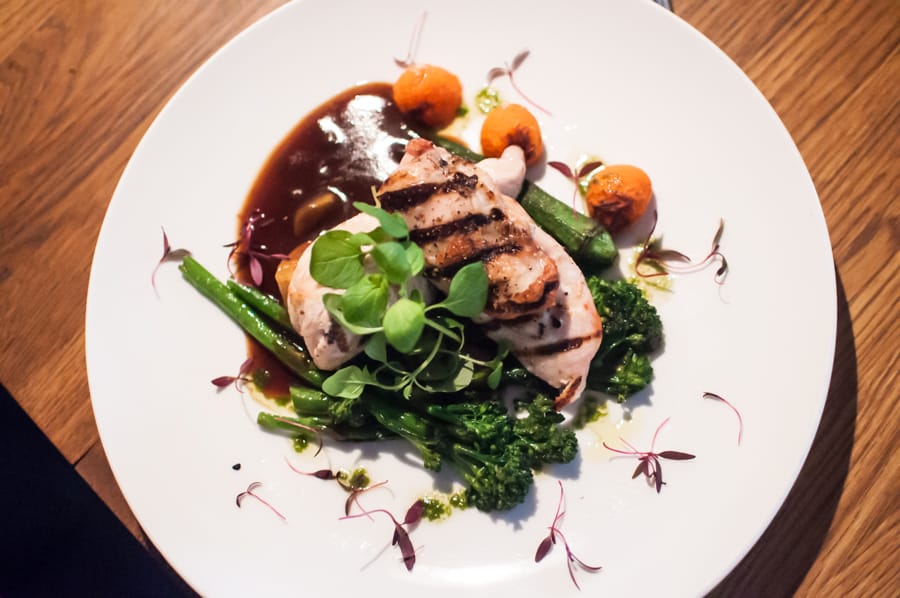
On Rataskaevu street in the heart of the Old Town, Rataskaevu 16 is the most consistently recommended restaurant in Tallinn by both locals and returning visitors. It’s a warm, atmospheric dining room in a medieval building serving modern Estonian food of real quality.
The menu spans beetroot tartare, braised elk with mustard seeds and blackcurrant, pork ribs with sauerkraut and apple, and traditional Estonian dishes updated with skill and care. The wine list includes Georgian, Basque, and natural options that reflect genuine thought. The warmth of the service matches the warmth of the setting: thick stone walls, candlelight, and the sense of a place that has earned its reputation over time.
Reservations are essential. Rataskaevu 16 fills days in advance, particularly at weekends.
Credit: Female Foodie
Leib Resto
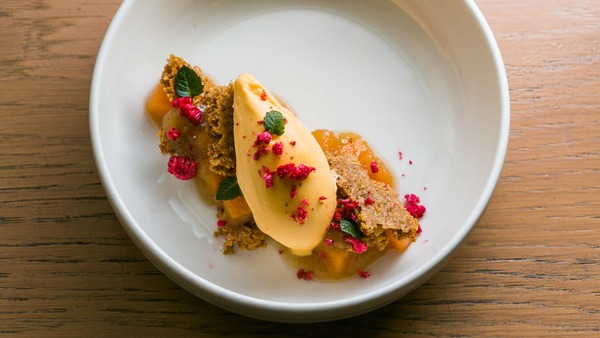
Just outside the Old Town on the edge of Toompea, Leib Resto (leib means “bread” in Estonian) is built around the country’s most fundamental food staple.
The house bread, served warm with cultured butter, is genuinely one of the best things you will eat in Tallinn. Beyond the bread: Estonian beef tartare with marinated radish, gravad perch with crispy black bread, and a menu that moves between the traditional and the contemporary with confidence and ease.
The room is calm and warmly lit, the service unhurried, and the outdoor garden – open in summer – is one of the most pleasant lunch spots in the city.
Credit: White Guide – Leib Restaurant
Olde Hansa
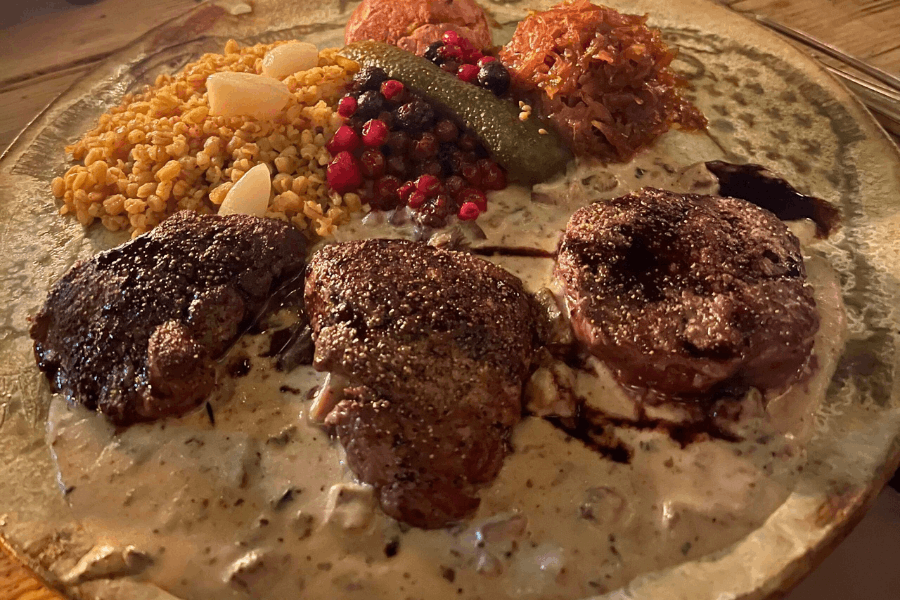
Olde Hansa is Tallinn’s most theatrical dining experience and one of its most divisive. It’s a medieval restaurant in the Old Town where staff dress in period costume, the menu draws on 15th-century recipes, and the candle-lit rooms are furnished in the style of a Hanseatic merchant’s home.
It is unabashedly tourist-facing and entirely aware of it. But the food is better than the concept might suggest – wild boar dishes, venison stew, honey mead, and medieval-inspired preparations executed with genuine care. For visitors on a first trip to Tallinn who want an immersive taste of the city’s Hanseatic history, Olde Hansa delivers that experience without apology.
Credit: ToiduNautleja
Kalamaja & Telliskivi
F-Hoone
In the Telliskivi Creative City complex, F-Hoone is one of Tallinn’s most beloved casual restaurants. It’s a large, high-ceilinged space in a former factory building with a menu of well-executed contemporary Estonian and European dishes at prices that make it equally popular for lunch, dinner, and a long weekend brunch.
The kitchen makes good use of local ingredients, and the bread-baking programme is particularly strong. F-Hoone captures the energy of Kalamaja itself: creative, informal, and entirely unbothered by the restaurant hierarchies of the Old Town.
Credit: Visit Estonia
Põhjala Brewery & Tap Room
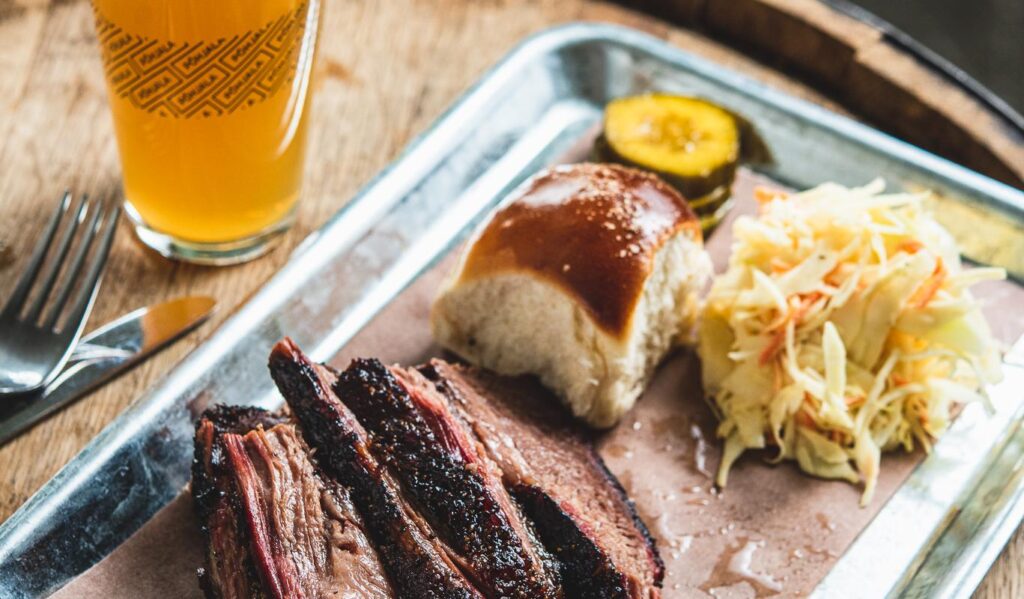
Põhjala is Estonia’s most celebrated craft brewery, and the Kalamaja tap room is the optimal place to encounter its full range of 24 own-brewed beers on tap in a large industrial space near the coast, alongside a kitchen serving Texas-style barbecue that draws consistent praise as some of the best American-style smoked meat in the Baltic states.
A Michelin-recommended listing in 2026 reflects the quality of both the beer programme and the food. The combination of excellent craft beer and properly smoked brisket, ribs, and pulled pork is one of the most satisfying casual dining experiences in Tallinn.
Credit: Visit Estonia
Ülo
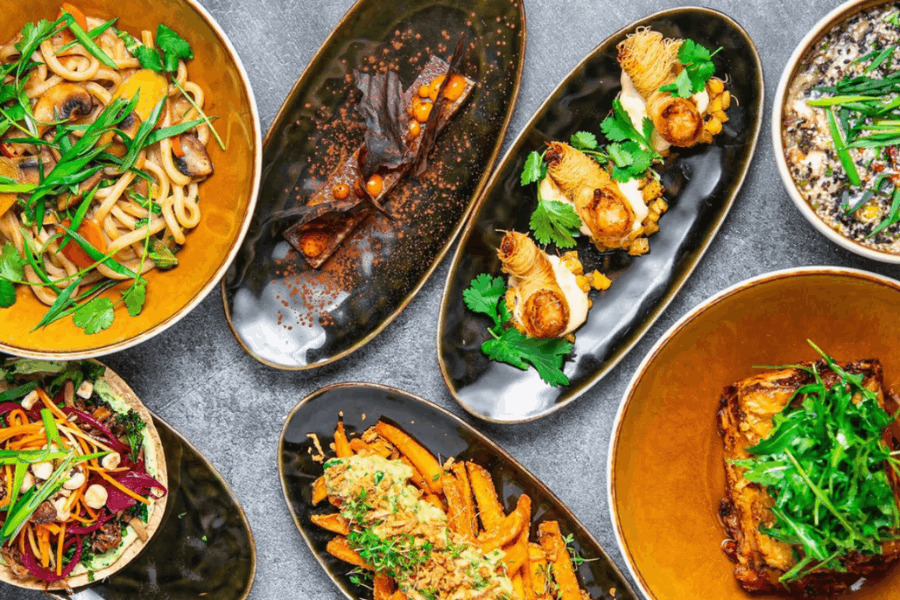
Also in Kalamaja, Ülo is one of Tallinn’s most interesting contemporary restaurants. It’s a 1970s-inspired interior with a menu that is firmly 2025: vegetable-led, technically creative, and full of the bold flavours that distinguish the best new Estonian kitchens.
Grilled cabbage with walnut and mustard-seed sauce, slow-cooked trout with chorizo-laced potato purée, and a cocktail menu with original sours made from Estonian foraged ingredients all contribute to a dining experience that feels genuinely its own. The service is notably attentive for a restaurant of this format.
Credit: Restoran ÜLO
Neighbourhood Gems
Barbarea
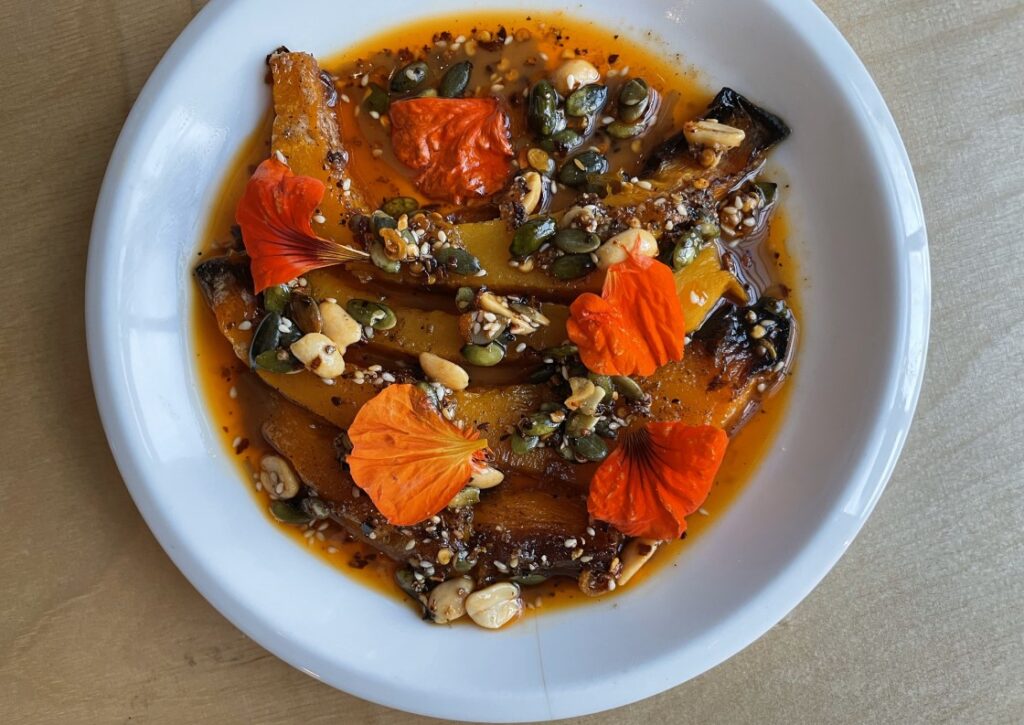
Barbarea is Tallinn’s most quietly celebrated farm-to-table restaurant. It’s a kitchen built almost entirely around local and organic ingredients, with fermentation as a central creative tool.
The cooking has a Nordic character in its restraint and its respect for the ingredient, but the flavours are distinctly Estonian: the wild herbs, the foraged mushrooms, the preserved fish and dairy of the Baltic coast. Regulars return for the sense that every menu reflects exactly where Estonia is in the seasonal calendar at that specific moment.
Credit: Michelin Guide
Rado
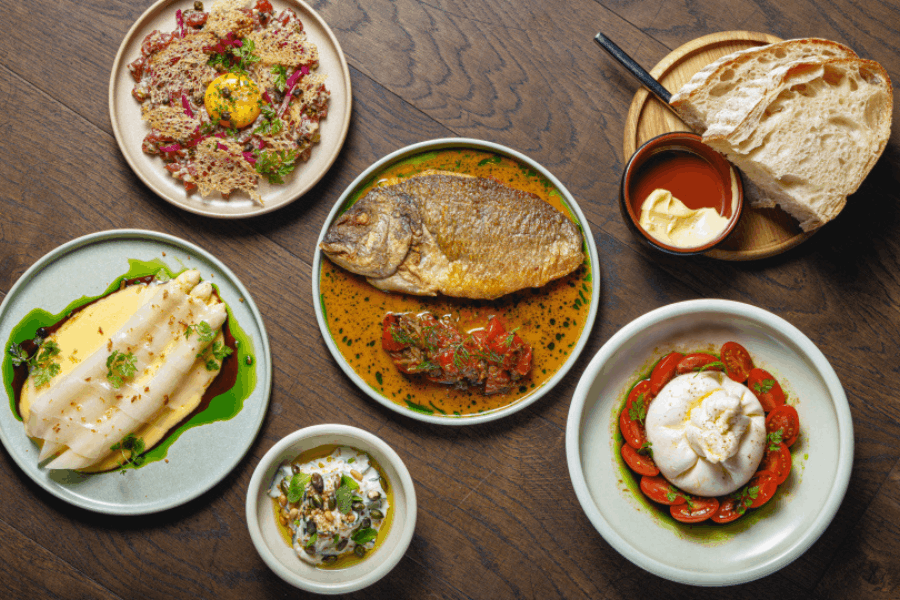
Rado is one of the most discussed new restaurants in Tallinn. It’s a contemporary Estonian kitchen that combines local seasonal produce with cooking techniques drawn from chef Radoslav Mitro’s European training.
The menu changes daily based on what the chef finds at the market, and it is genuinely inventive: unexpected ingredient combinations, confident flavour contrasts, and presentations that treat the food as something worth looking at before eating. Michelin-recognised and consistently oversubscribed.
Credit: Star Wine List
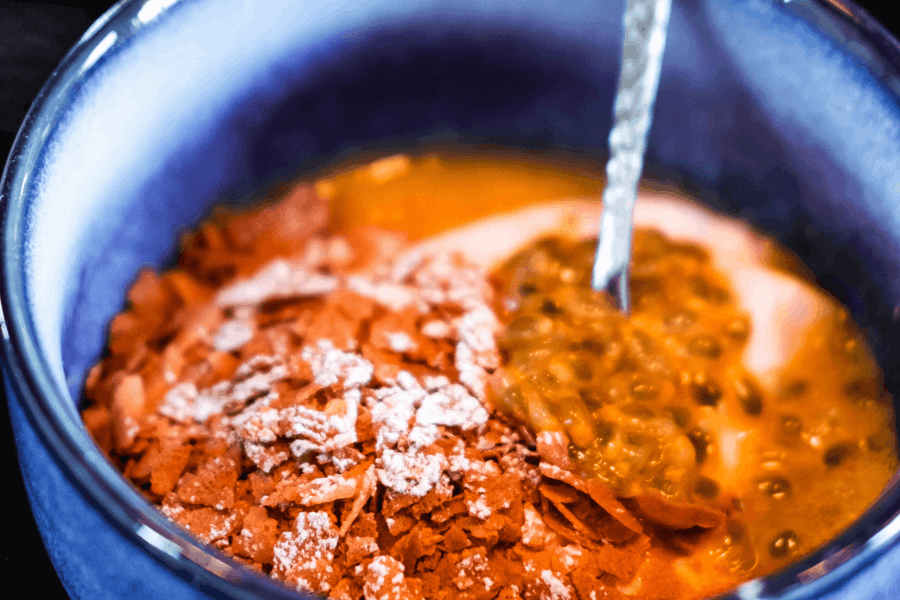
Lore Bistroo
On the Noblessner waterfront near 180°, Lore Bistro offers accessible Estonian bistro cooking with sea views – fish soup, seasonal plates, and a relaxed atmosphere that makes it one of the most pleasant lunch spots in Tallinn’s new waterfront district.
The fish soup is a particular draw: a rich, clean broth reflecting the quality of Baltic seafood, served with good bread. Lore Bistroo provides the accessible counterpart to the fine dining room next door.
Credit: Lore Bistro
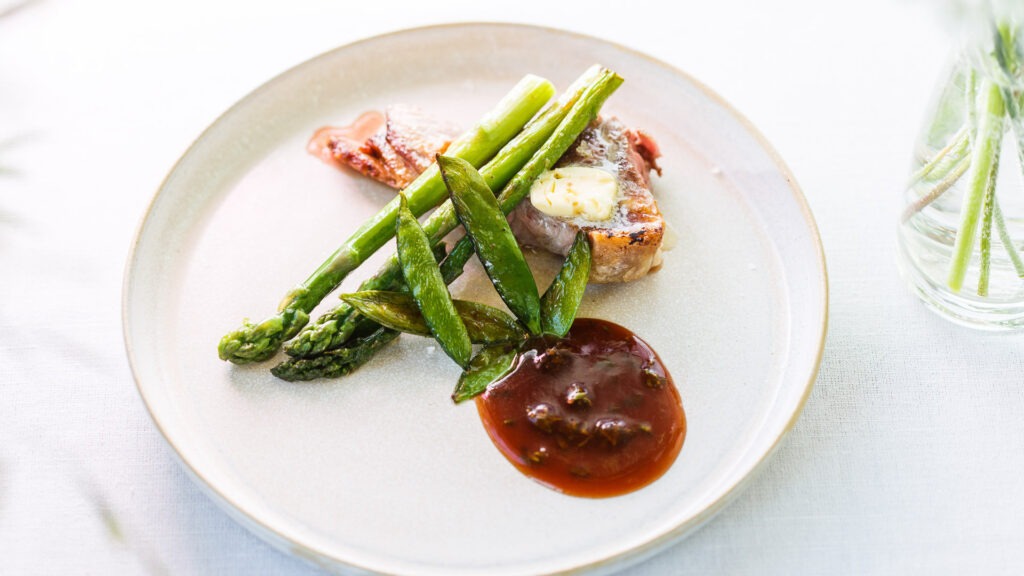
Kolm Sõsarat
“Three Sisters” is run by a family team in Põhja-Tallinn and is one of Tallinn’s most characterful neighbourhood restaurants, serving Estonian home cooking with warmth and generosity that makes it a genuine local institution.
Traditional recipes are handled with care rather than reinvented – this is a kitchen that believes the original deserves respect rather than deconstruction. The bread, the black pudding, and the slow-cooked meat dishes all reflect deep familiarity with the Estonian table. Kolm Sõsarat holds a Michelin Green Star for its sustainable sourcing practices.
Credit: Restoran Kolm Sõsarat
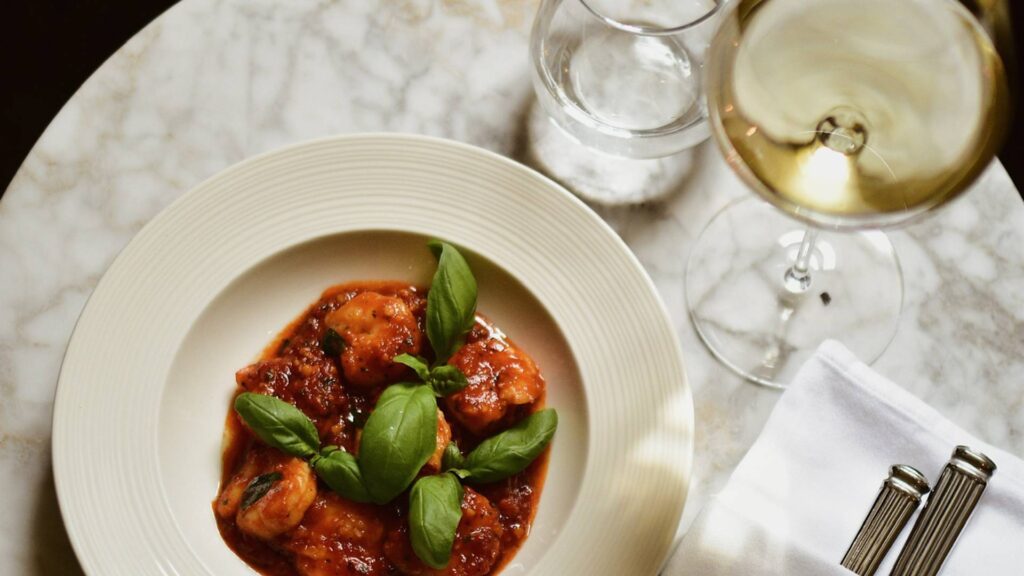
La Cucina di Orm Oja
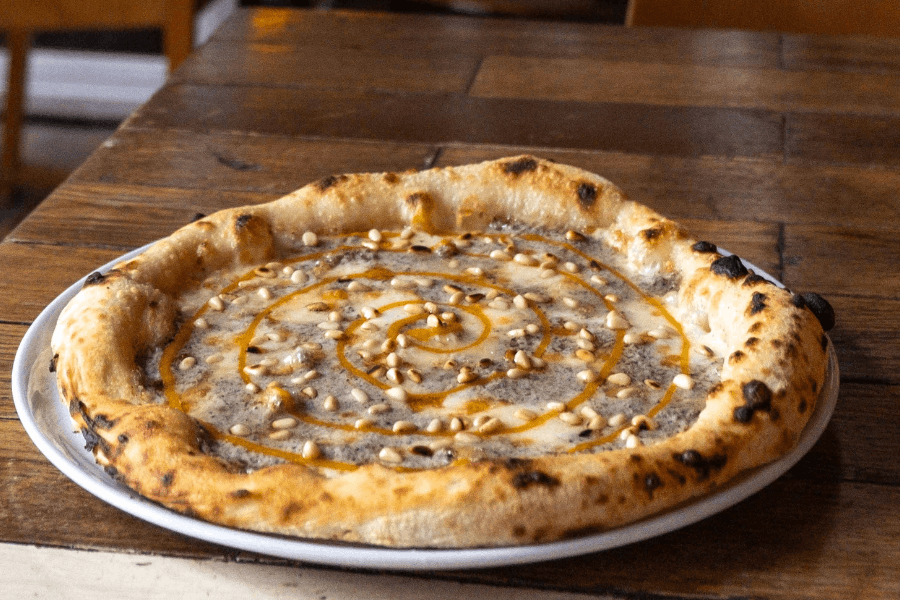
Former NOA Chef’s Hall head chef Orm Oja stepped away from Estonian fine dining to open Italian restaurants in the Old Town, and the result is one of Tallinn’s most unexpected and most enjoyable dining experiences: Neapolitan-style pizza with luxury toppings – fresh truffles, porchetta, caramelised onion jam – in a red-checked, Italian-music-playing room that transports you from the medieval Old Town to a very good trattoria.
The dough is light and properly fermented; the toppings are treated with the same care that a Michelin kitchen would apply to any ingredient. An excellent and generous discovery.
Credit: La Cucina di Orm Oja Restaurant
Conclusion
The restaurants in Tallinn in 2026 reflect a city that has committed to its own food culture with genuine ambition.
From the two-starred 180° in Noblessner to the newly Bib Gourmand-recognised Vesta in a converted bar near Telliskivi, from the medieval banquet rooms of Olde Hansa to the farm-fermentation kitchen of Barbarea, Tallinn offers a range and quality of dining that most visitors do not expect, and that returns them, almost without exception, with a higher opinion of Estonia’s capital than they arrived with.
To experience Tallinn’s extraordinary food culture, history, and design as part of a Nordic journey, explore our Tallinn tours and travel experiences.
FAQ
What food is Tallinn famous for?
Tallinn is famous for hearty Estonian cuisine, including black bread, smoked fish, elk or wild game dishes, blood sausage, and marzipan desserts. Modern Nordic-inspired restaurants are also very popular throughout the city’s Old Town.
Is it expensive to eat in Tallinn?
Eating in Tallinn is generally cheaper than in most Nordic capitals. Budget meals are affordable, while mid-range restaurants offer good value. Tourist-heavy Old Town restaurants can be pricier, especially during peak travel seasons.
Why is Tallinn so expensive for tourists?
Tallinn can feel expensive in tourist areas because of rising tourism demand, imported goods, and higher prices in the medieval Old Town. However, compared to cities like Stockholm or Oslo, Tallinn is still relatively affordable overall.
Where to have dinner in Tallinn?
Popular dinner areas in Tallinn include the Old Town for traditional Estonian food, Telliskivi Creative City for trendy dining, and the harbour district for modern seafood restaurants and Nordic-style cuisine.