Edinburgh is a city that forgives most mistakes.
The Old Town is compact enough that even a wrong turn tends to produce something interesting. The locals are helpful and, on the subject of their city, usually opinionated in genuinely useful ways. And the overall quality of what Edinburgh offers, such as the architecture, the food, the whisky, the views, or the history, is sufficiently high that even a visit with a few avoidable errors tends to produce a good experience.
But some mistakes genuinely cost you time, money, or the specific experience you came for. This guide covers the most common ones and how to avoid them.
Practical Mistakes
Don’t Underestimate How Hilly It Is
Edinburgh’s geography is one of its defining features and one of its most effective surprises.
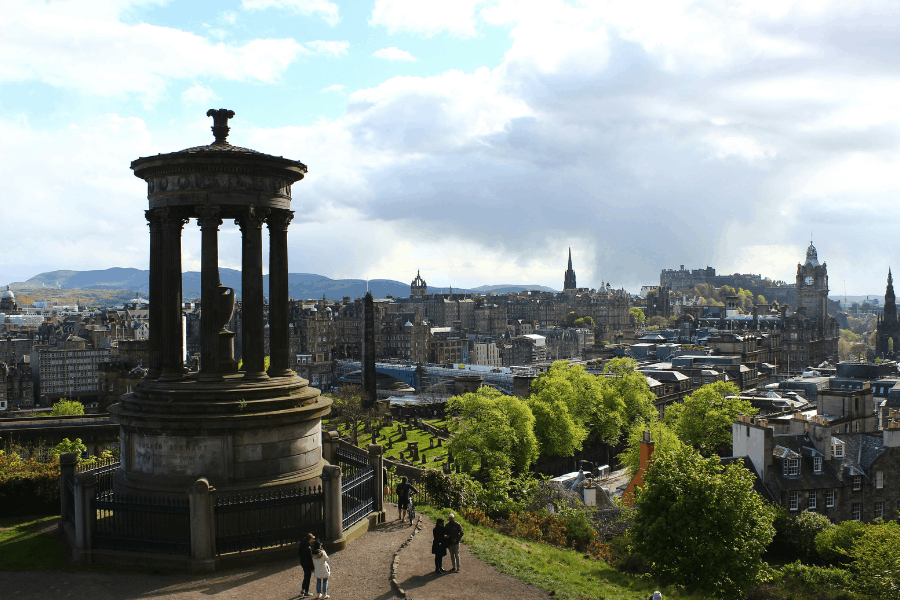
The Royal Mile runs along the ridge of a volcanic plug, with closes descending steeply on both sides. The climb from Holyrood Palace to the Castle is continuous and significant. Arthur’s Seat at Holyrood Park’s volcanic hill is a proper ascent requiring proper footwear rather than city shoes. Calton Hill is shorter but still requires climbing.
Many visitors arrive in Edinburgh with inappropriate footwear and spend the second day regretting it. Comfortable, waterproof shoes with good grip are not optional; they are the single most important practical decision you will make for an Edinburgh visit.
The terrain also means that walking distances look shorter on maps than they feel in practice. A journey that appears to be ten minutes on flat ground can take twenty on Edinburgh’s slopes.
Credit: Lāsma Artmane
Don’t Skip Leith
The most consistent advice from Edinburgh locals to visitors is also the advice that visitors most often ignore: go to Leith.
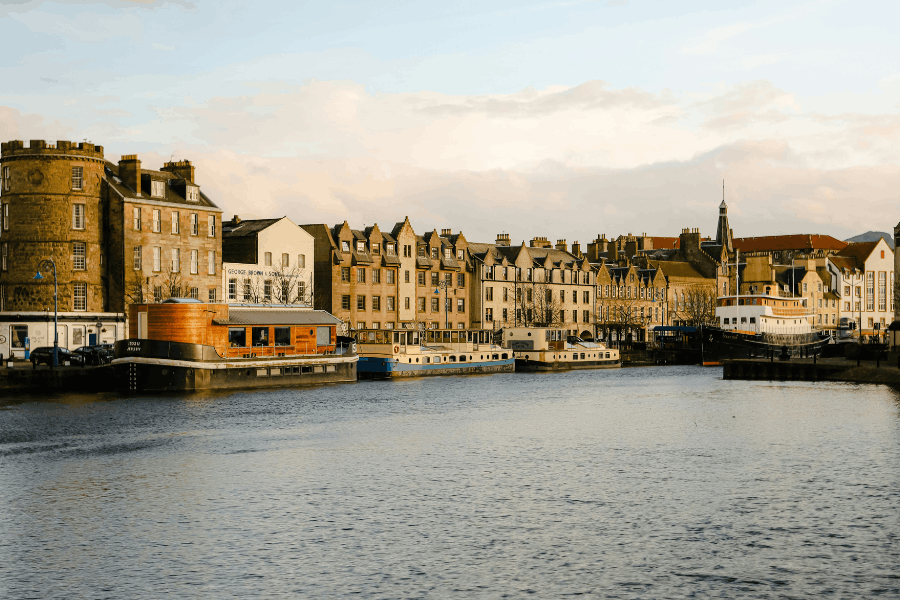
Leith is Edinburgh’s port neighbourhood, connected to the city centre by tram in approximately twenty minutes, and it contains two of the finest restaurants in Scotland (The Kitchin and Restaurant Martin Wishart, both Michelin-starred), a concentration of excellent independent restaurants and bars along The Shore waterfront, the Royal Yacht Britannia, and a character entirely distinct from the tourist-heavy Old Town.
Visitors who confine themselves to the Royal Mile and Grassmarket see one version of Edinburgh. Those who take the tram to Leith for a long evening along The Shore see the one the city is most proud of.
Credit: Bayo Adegunloye
Don’t Rely on the Royal Mile for Food
The Royal Mile is Edinburgh’s most visited street and, for food, among its least rewarding.
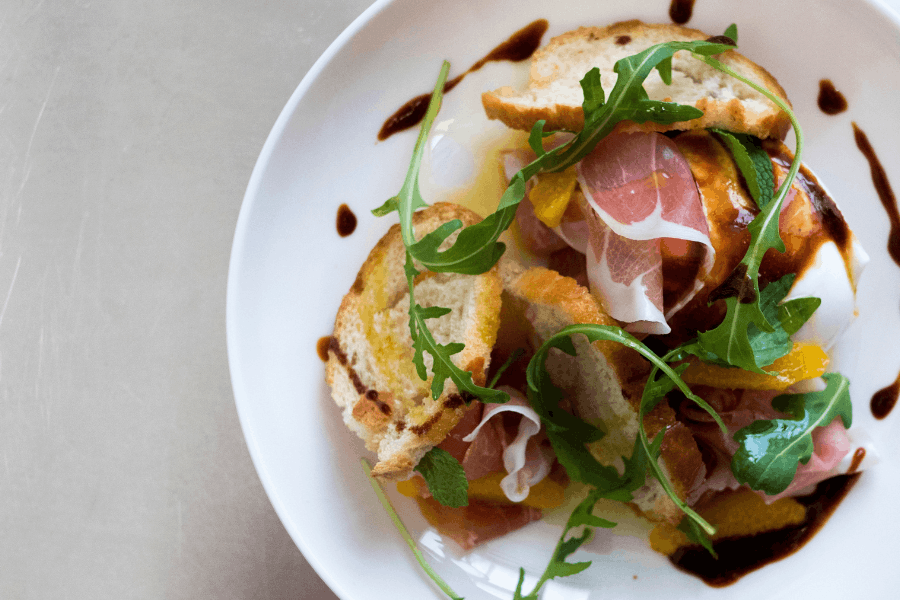
The restaurants immediately on or adjacent to the Royal Mile are, with a handful of exceptions, aimed at the footfall rather than the quality. The best restaurants in Edinburgh, including Leith’s Michelin tables, the Newington neighbourhood restaurants, and the independent kitchens of Stockbridge, are only a fifteen-minute walk or a short bus ride from the main tourist area.
The exceptions are worth knowing: Makars Gourmet Mash Bar near the Grassmarket is reliably good; Timberyard in Fountainbridge (not on the Royal Mile but nearby) is one of the finest restaurants in Scotland. The Grassmarket area has several good options. But as a rule of thumb, the further you eat from the Royal Mile, the better the food tends to be for the money.
Credit: Margherita Turrin
Don’t Visit Edinburgh Castle Without Knowing What You’re Getting
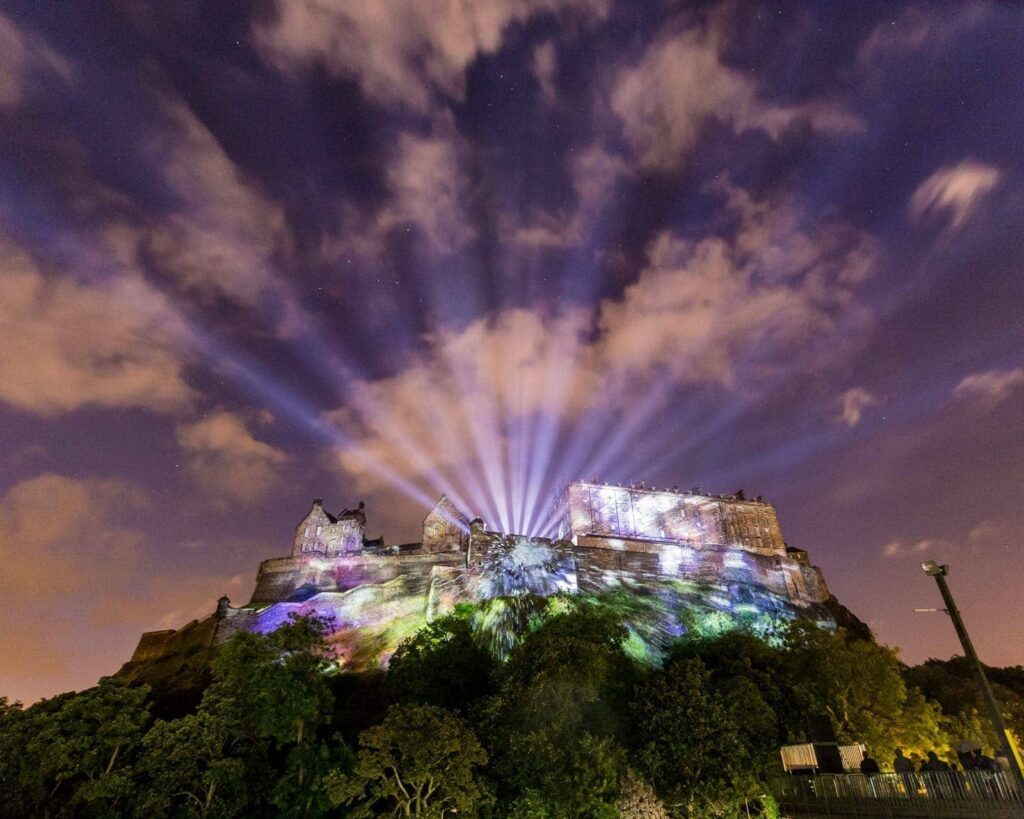
Edinburgh Castle is genuine. It’s a medieval fortress with important historical collections, the Scottish Crown Jewels (the Honours of Scotland), and extraordinary views, and it is also Edinburgh’s most expensive attraction and its most crowded.
It is worth visiting. But visiting it on a Saturday afternoon in August without pre-booked tickets, while expecting to see everything in an hour, is a recipe for a frustrating experience.
Book tickets in advance. Arrive when the castle opens. Give yourself at least two hours. Focus on the Crown Jewels, the Great Hall, and the views from the upper esplanade. These are the elements most worth prioritising.
And understand that Edinburgh’s finest historical experience is not necessarily the castle: the Royal Mile’s closes, the underground vaults, Greyfriars Kirkyard, and the hidden spaces of the Old Town cost nothing or very little and are considerably less crowded.

Credit: Kate Bielinski
Don’t Only Visit the Old Town
The Old Town is magnificent. The medieval closes, the volcanic geography, the castle, and the history are beautiful, but Edinburgh is larger and more varied than that.
The New Town, built in the Georgian period beginning in the 1760s, is one of the finest examples of Enlightenment urban planning in Europe: wide streets, elegant crescents, and a grid that feels entirely different from the cramped medieval lanes it was designed to relieve pressure on. Stockbridge, immediately north, has one of the finest farmers’ markets in Scotland and some of the city’s best independent restaurants.
Morningside and Bruntsfield to the south are Edinburgh’s most genteel residential neighbourhoods, with excellent cafés and the Meadows park connecting them to the Old Town.
Don’t plan a Table at 6 pm on a Friday without a Reservation.
Edinburgh’s finest restaurants fill up, and they fill up quickly.
The best tables at The Kitchin, Restaurant Martin Wishart, Timberyard, Condita, Lyla, and the other Michelin-recognised restaurants in the city are booked weeks in advance. The best neighbourhood restaurants like Hector’s in Stockbridge, or Purslane in the New Town, fill their best times on weekday evenings.
Planning to simply arrive at a good restaurant and be seated on a busy Edinburgh evening, particularly during the Festival in August, is almost always going to end in disappointment. Booking ahead is not excessive; it is the appropriate response to a city with a restaurant scene this good.
Don’t Ignore the August Festival
The Edinburgh Festival Fringe, which runs for the entire month of August, is the largest arts festival in the world. Over 3,000 shows at hundreds of venues, across theatre, comedy, dance, circus, cabaret, and every other conceivable performing art form.
Visiting Edinburgh in August means visiting a city that has transformed itself into something you have never encountered. The streets are full at midnight. Every available space has become a venue. The atmosphere is extraordinary.
But: accommodation is extremely expensive in August, the most popular restaurants require reservations made months ahead, and the city’s everyday character is completely subsumed by the Festival. For visitors who specifically want the Festival, August is unmissable. For visitors who want an everyday Edinburgh like the locals in their own city, the restaurants with a more accessible booking window, the Royal Mile without extraordinary crowds, any other month is better.
Credit: Finding the Universe
Cultural Mistakes
Don’t Call It “Edinburra” or “Edinboro”
The city’s name is pronounced ED-in-bruh, where the final syllable is soft and almost swallowed rather than fully enunciated.
This matters less than some Scots will tell you and more than most visitors realise. Pronouncing it correctly is a small signal that you are paying attention, and Edinburgh rewards attention.
Don’t Assume Scots Is Just Badly Spoken English
Scottish English, both the accent and the vocabulary, is a living language in its own right, with distinct words (braw for fine or good, wee for small, aye for yes, dinnae for don’t) that are not mistakes or regionalisations of standard English but the natural expression of a linguistic tradition older than the Union.
If a local says something you don’t understand, asking them to repeat it is entirely fine and not the social hazard some visitors fear. Edinburgh locals are, in the author’s experience, remarkably patient about this.
Don’t Reduce Scotland to Kilts and Haggis
Edinburgh is simultaneously the capital of a country with a specific and distinctive cultural identity and a cosmopolitan European city with an international restaurant scene, a global arts festival, and one of the finest whisky cultures in the world.
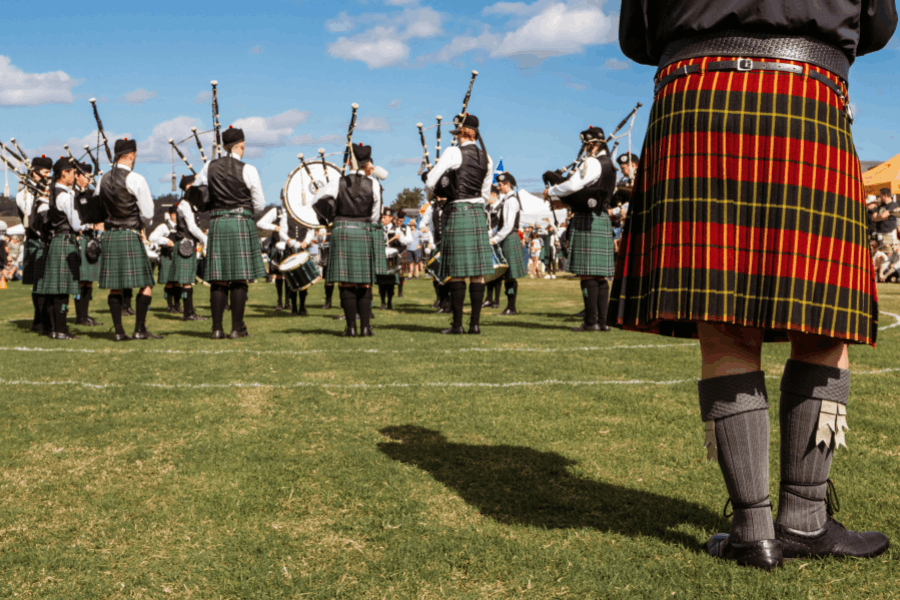
The tourist shops on the Royal Mile provide an extremely concentrated version of the cultural shorthand – tartans, thistle, shortbread – that have some relationship to Scottish culture and a more complex relationship to its marketing. The city itself is considerably more varied.
Trying haggis is worth doing. It is a genuinely good dish and far better than its reputation outside Scotland suggests. But reducing the culinary experience of Edinburgh to haggis misses the point in the same way that reducing Paris to a croissant does.
Credit: Sandie Peters
Don’t Skip the Whisky
Scotland produces the finest whisky in the world, and Edinburgh has several excellent whisky bars where the full range of Scottish single malts can be encountered in a properly guided context.
The Scotch Malt Whisky Society on Queen Street, The Bow Bar on Victoria Street, and Angel’s Share near Princes Street are the three addresses most worth visiting for whisky in Edinburgh.
What to know before visiting: Scotch whisky is not all the same. The spectrum from a light, floral Speyside malt to a heavily peated Islay whisky is enormous. A good bar will guide you through it; a good bartender will ask what you usually drink and work from there. Saying “I don’t know what I like” is the most useful thing you can say at the start of a whisky conversation in Edinburgh.

Credit: Winston Tjia
Don’t Leave Without Walking Arthur’s Seat
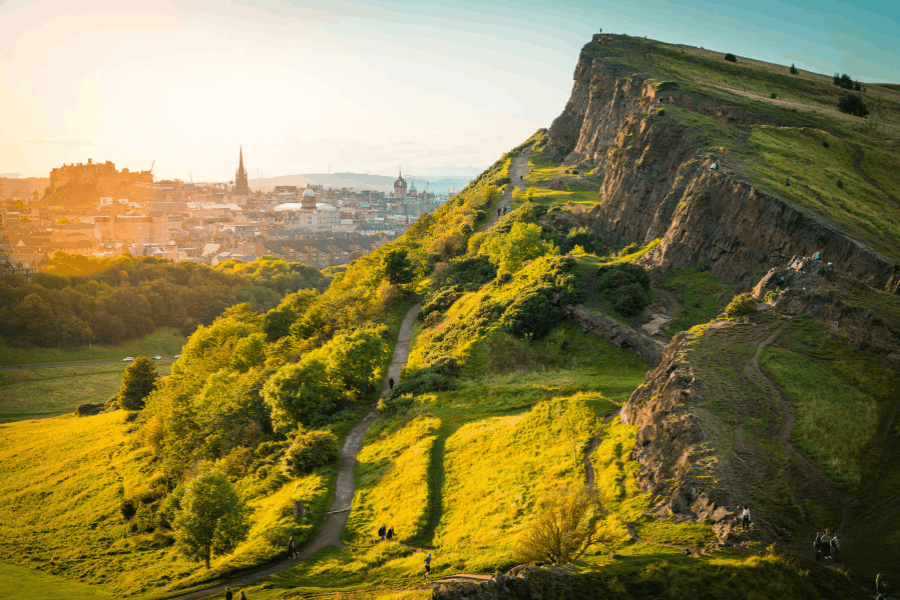
Arthur’s Seat is the 251-metre volcanic hill at the heart of Holyrood Park, ten minutes’ walk from the Royal Mile and is the most rewarding free outdoor experience in Edinburgh.
The standard route from the park entrance to the summit takes approximately 45 minutes. The views from the top – across the city to the Firth of Forth, south toward the Pentland Hills, north across the New Town – are among the finest available from any point reachable on foot in urban Scotland.
Leaving Edinburgh without climbing Arthur’s Seat is the single most common mistake first-time visitors make, usually because the hill looks more serious than it is from the ground. It is not technical or dangerous in good weather, does not require specialist equipment, and produces views that make every other viewpoint in the city feel preliminary.
Wear appropriate footwear. It is not a stroll in city shoes.
Credit: Mike Newbry
Don’t Underestimate How Good Edinburgh Is
The most significant mistake visitors make in Edinburgh is not staying long enough.
Two days are not enough. Three begins to approach justice. Four gives you the Old Town, the New Town, Leith, a walk up Arthur’s Seat, a long dinner at a Michelin-starred table, a morning at the National Portrait Gallery, an evening at a whisky bar where the bartender knows their single malts, and the specific experience of a city that rewards attention with extraordinary generosity.
Edinburgh is one of the finest cities in Europe. It deserves the time.
To experience Edinburgh’s extraordinary culture, history, and food scene as part of a private, curated visit, discover our private Edinburgh tours.
FAQ
Are there any areas to avoid in Edinburgh?
Edinburgh is generally safe, but visitors should be cautious late at night in areas with higher crime rates, such as parts of Niddrie, Wester Hailes, and Muirhouse. Tourist areas like the Old Town, New Town, and city center are usually safe.
What not to do in Edinburgh as a tourist?
Avoid ignoring the weather, skipping comfortable shoes, only staying on the Royal Mile, and overpaying for tourist traps. Don’t miss exploring neighborhoods, local pubs, viewpoints, and hidden closes around the Old Town.
Is it safe to walk around Edinburgh at night?
Yes, Edinburgh is generally safe to walk around at night, especially in central areas. Stay aware of your surroundings, avoid poorly lit streets, and use normal precautions around nightlife areas.
Can I wear jeans in Edinburgh?
Yes, you can wear jeans in Edinburgh. They are common and accepted almost everywhere, including restaurants, pubs, museums, and sightseeing attractions. Bring layers and a waterproof jacket because Scottish weather can change quickly.