Estonia is a country that changes completely with the seasons.
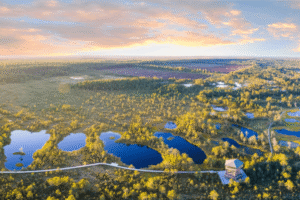
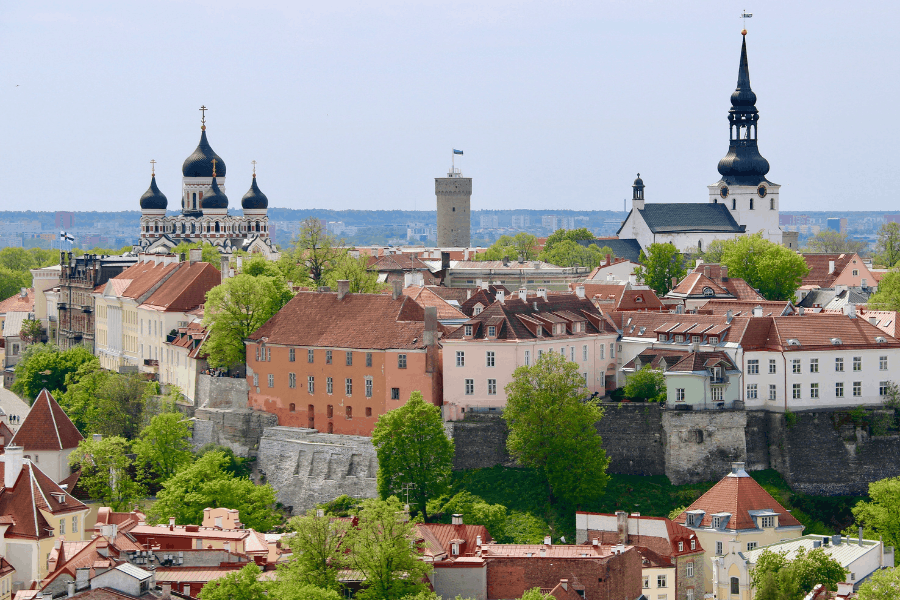
The medieval Old Town of Tallinn is one of the finest preserved medieval city centres in Europe. It looks entirely different under a metre of snow than it does on a warm June evening when the sky barely darkens, and the restaurant terraces stay full until midnight. Lahemaa National Park is magnificent in summer when the bogs are walkable, and the coastal forests are in full leaf; it is arguably more beautiful in autumn when the birch trees turn amber, and the elk are visible from the roads. The Saaremaa and Hiiumaa islands are summer destinations by definition; Tallinn’s Christmas market in December is one of the finest in northern Europe.
The question of when to visit Estonia has a genuinely seasonal answer, and the right time depends on which Estonia you want to encounter.
Key Takeaways
- Estonia is a genuinely year-round destination, with each season offering something the others cannot – summer for the light and the archipelago, winter for Christmas markets and Old Town atmosphere, autumn for forests and food.
- June and July offer the most daylight – up to 19 hours in midsummer – and the warmest temperatures, with the sea islands and coastal parks at their best.
- December is the month most recommended for Tallinn specifically: the Christmas market on Town Hall Square is one of the finest in northern Europe and gives the medieval city a theatrical quality it holds in no other season.
- May and September are the two shoulder months most consistently recommended for the combination of good weather, manageable crowds, and reasonable costs.
- The Estonian island of Saaremaa is primarily a summer destination (accessible year-round but at its best from June to August); Lahemaa National Park is excellent from May to October.
Spring: March, April, May
March – The Long Winter Ends
March is Estonia’s most transitional month.
Snow is still on the ground in early March in most years, but the days are lengthening noticeably. The Tallinn Old Town in March has a specific quality: the Christmas market crowds are long gone, the summer visitors have not yet arrived, and the medieval streets are navigable at a pace that allows them to be properly understood.
March is also the month when the first migratory birds return to Estonia. It’s a significant event in a country that has one of the richest bird migration habitats in northern Europe, particularly in the western archipelago and in the Matsalu National Park coastal wetlands. Birdwatching in Estonia in early spring is one of the more specific and more rewarding experiences the country offers.
April – Spring Arrives
April brings the definitive end of winter to Estonia.
Ice clears from the rivers and the bays. The forests, particularly the birch woodlands that characterise so much of the Estonian landscape, begin to green. The bog walks of Soomaa National Park, which flood in spring and are traversed by canoe, are at their most dramatic in April when the spring floods create temporary waterways through terrain that is dry ground by summer.
Average temperatures of 8°C to 12°C in Tallinn make April comfortable for walking the Old Town and exploring the surrounding parks. The city’s restaurant scene is fully active; accommodation is at shoulder-season rates.
Credit: Hongbin
May – The Outstanding Shoulder Month
May is the month that experienced Estonia visitors most consistently recommend for first-time visits.
The days are long, rising to 17 or 18 hours by the end of the month. The weather is warm and genuinely pleasant. The Old Town’s café terraces are open. The Lahemaa National Park coastal paths and forest trails are in perfect condition. Saaremaa Island is accessible and enjoyable without the summer crowds. And the costs of accommodation and travel remain well below the summer peak.
May also brings Estonia’s own version of the spring energy that Syttende Mai represents in Norway and Vappu represents in Finland – a country that has experienced its share of occupations and restrictions embracing the warmer months with genuine enthusiasm.
Summary: May is the finest month for a first visit to Estonia. It’s the best combination of weather, accessibility, and costs, without the summer visitor numbers that compress the experience of the Old Town, particularly.
Summer: June, July, August
June – Light and the Islands
June is when Estonia opens up.
The midsummer period around 21 June is the most celebrated time in the Estonian calendar, and it’s called Jaanipäev. This Midsummer Day is Estonia’s most important folk holiday, marked by bonfires across the countryside, traditional music, dancing around the bonfire, and the specific quality of a northern European midsummer night when the sky never fully darkens.
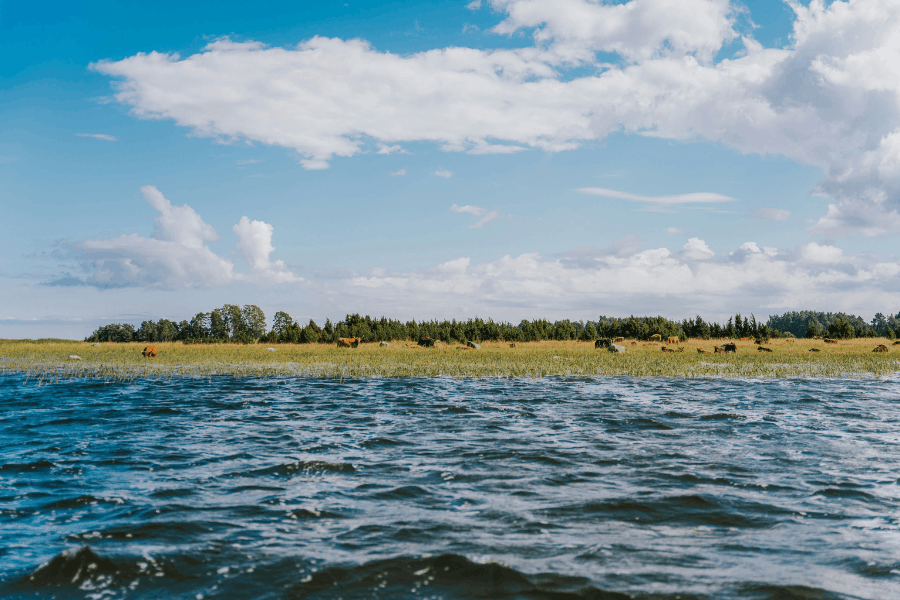
The Estonian islands, Saaremaa and Hiiumaa in particular, are most distinctively themselves in June and July, when the juniper meadows are in bloom, the coastal cycling routes are dry and accessible, and the sea is warm enough for swimming from the beaches of Saaremaa’s western coast. Saaremaa in summer is one of the most unexpected travel experiences in the Baltics: a large, car-free-feeling island with medieval windmills, an ancient bishop’s castle, and a coastline of genuine beauty that most visitors to Tallinn never reach.
What June offers:
- Maximum daylight and the white nights of Midsummer
- Saaremaa and Hiiumaa island access at its best
- Lahemaa National Park in full summer condition
- Outdoor café culture and long evening dining in Tallinn
July – Peak Summer
July is Estonia’s warmest month with average temperatures of 20°C to 22°C in Tallinn, with good days reaching 28°C, and its most visited.
The Old Town is at its busiest. The islands are popular with Estonian and Finnish visitors. Pärnu, Estonia’s summer capital on the west coast, operates at full capacity from July through August, its beaches drawing visitors from across the country.
For visitors who want the summer experience and accept the busier conditions, July is the natural choice. For those who prefer fewer crowds, May and September offer the same pleasant weather without the peak visitor numbers.
Credit: Oskar Kadaksoo
August – Golden Summer
August has a quality specific to it – a warmth and a golden afternoon light that feels different from July’s more direct heat, and the first hints of autumn arriving in the evenings.
The sea is still warm enough for swimming. Lahemaa National Park’s forest blueberries are at their ripest in August. Picking them while walking the forest trails is one of the most characteristically Estonian summer activities. The Saaremaa and Hiiumaa islands are still in full summer operation.
Late August begins the transition: slightly shorter days, the first amber appearing in the birch trees, and the beginning of the mushroom season that defines Estonian late summer and autumn.
Autumn: September and October
September – The Finest Outdoor Month
September is consistently cited by those who know Estonia well as the most rewarding month for outdoor exploration.
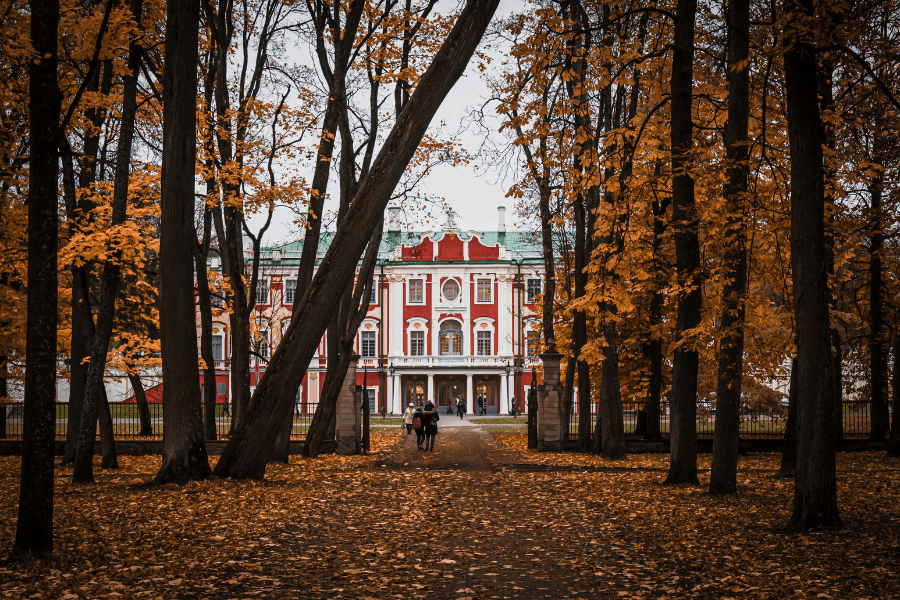
The summer crowds have departed. The days remain long enough and warm enough for comfortable outdoor activity with average temperatures of 14°C to 16°C. The forests of Lahemaa National Park and the island woodland of Saaremaa turn amber, copper, and gold in the Estonian kuldne sügis (golden autumn) that is genuinely one of the finest seasonal experiences in the Baltic region.
September is also the mushroom season. Estonians are enthusiastic foragers, and the forest floors in September are loaded with boletus, chanterelles, and the full range of edible fungi that Estonian cuisine uses in everything from market stalls to fine dining. The Tallinn restaurants in September reflect this: autumn menus featuring wild mushroom dishes, game from the forests, and root vegetables that have been growing through the summer.
The combination of the autumn light, the lower visitor numbers, and the food culture makes September one of the best months to visit Estonia, regardless of which part of the country you are exploring.
Summary: September is the finest single month for visiting Estonia. Excellent weather, the autumn colour at its peak, mushroom season, the restaurant scene at full energy, and none of the summer crowds. Highly recommended.
Credit: Hibiki Hosoi
October – Autumn Deepens
October cools and darkens quickly in Estonia.
Average temperatures drop from around 10°C at the start of the month to 5°C or below by the end. The forest colours remain vivid in early October and then drop rapidly by the middle of the month. Rain increases.
October is the month for Tallinn’s indoor culture: the museums, the concert halls, the restaurant scene, and the café life of an Old Town that becomes more specifically itself when the summer visitors have departed, and the medieval streets return to the residents who actually use them.
Winter: November to February
November – Dark and Local
November is Estonia’s quietest month. The summer visitors are long gone, the Christmas market has not yet opened, and the country settles into the serious business of its working winter.
For visitors who want Tallinn without any tourist overlay, November is an interesting choice. The Old Town at dusk in November has got the amber glow of café windows on the cobblestones, the absence of queues at the viewpoints, and the specific silence of a medieval city whose soundtrack is its residents rather than its visitors. It has a quality that is difficult to encounter in any other month.
December – The Christmas Market Month
December is when Tallinn becomes something extraordinary.
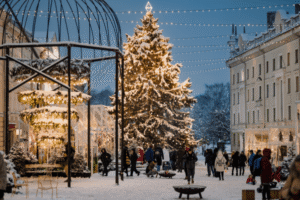
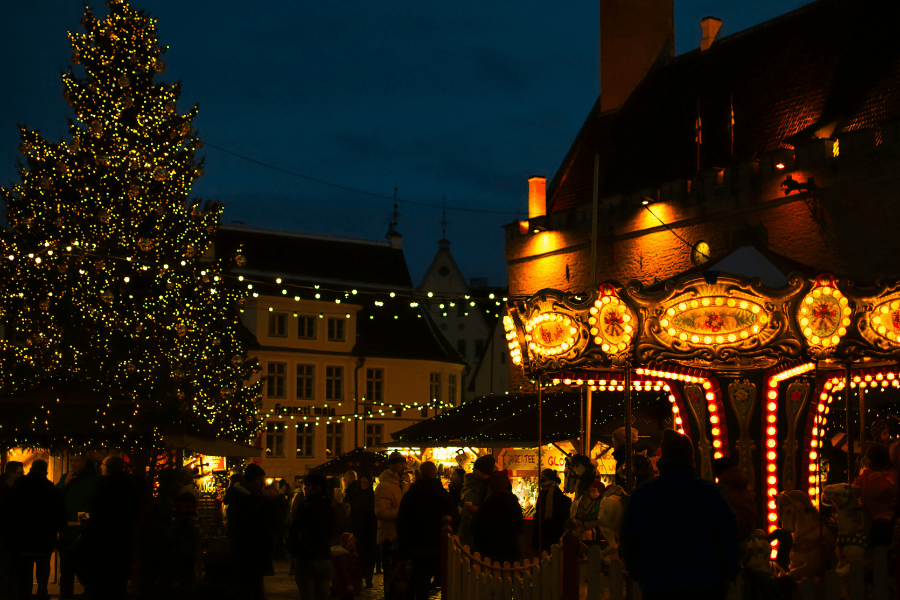
Tallinn’s Christmas market on Town Hall Square has been voted the best in Europe multiple times, and the claim is not unreasonable. The medieval Gothic Town Hall, the surrounding 15th-century merchants’ buildings, the spiral wooden tower at the centre of the market, and the thousands of lights transforming the square create a setting that most European Christmas markets, in their modern urban venues, cannot replicate.
The market runs from late November to approximately 7 January. Gingerbread, mulled wine (glögi), and Estonian Christmas food are available throughout; live music and craft stalls fill the square on weekends.
Beyond the market: December Tallinn has the atmosphere of a medieval city in the season it was built for. The thick walls and narrow lanes of the Old Town were designed for a world that moved more slowly and burned more candles, and December brings that world closer than any other month.
Credit: Vladyslav Melnyk
January and February – Winter Proper
January and February are Estonia’s coldest months with average temperatures of -4°C to -6°C in Tallinn, with the possibility of temperatures dropping well below -10°C on the coldest days.
The sea bays and some of the smaller lakes freeze. Tracks through the Lahemaa and Soomaa forests may be skied. The Old Town under snow, which occurs in most years by January, is one of the most visually dramatic versions of itself.
These are the quietest months in Estonia by visitor numbers and the most affordable for accommodation. For visitors who want the country specifically in winter, with its cold, its stillness, and the specific atmosphere of a Baltic winter city, January and February deliver the full experience.
Month-by-Month Summary
January: Coldest month. Old Town under snow. Very quiet and affordable. Winter atmosphere at its most complete.
February: Cold but days lengthening. Possible sea ice in bays. Still very quiet. Good value.
March: Transition. Winter retreating. Migratory birds are returning. The city is waking up.
April: Spring arrives. Forests greening. Soomaa spring floods. Shoulder season rates.
May: Outstanding. Long days, warm, manageable crowds. Best value in the good-weather season. Highly recommended.
June: Midsummer. White nights. Islands at their best. Outdoor culture is at its peak.
July: Warmest month. Peak summer. Tallinn Old Town is the busiest. Islands are popular.
August: Golden afternoon light. Blueberry season. Mushrooms beginning. Slightly quieter than July.
September: Finest month overall. Autumn colours. Mushroom season. Restaurant scene at its best. Highly recommended.
October: Autumn deepening. The cultural calendar is full. Cooler and wetter. Good for indoor culture.
November: Quietest month. Local and affordable. The Christmas market begins at the end of the month.
December: Christmas market at Town Hall Square. Old Town in its most atmospheric season. Highly recommended for Tallinn.
Practical Notes
Tallinn’s Old Town is walkable year-round, but the cobblestones become genuinely icy in January and February. Proper footwear with good grip is essential in winter.
The Estonian islands (Saaremaa and Hiiumaa) are accessible year-round by ferry but are substantially seasonal in their activities and visitor facilities. June, July, and August are the island season; September and May provide quieter access with most facilities still operational.
Lahemaa National Park, approximately 70 kilometres east of Tallinn, is best visited from May to October. The bog boardwalks, coastal paths, and manor house museums are all open and accessible during this period.
Tallinn’s Christmas market is one of the few genuinely competitive reasons to visit in the specific December-January period. Accommodation books out around the market’s opening weekends; plan if visiting in late November or early December.
Conclusion
Estonia offers different versions of itself in different seasons, and all of them are worth visiting.
May for the long days and the quiet streets. June for Midsummer and the islands. September is for the golden forests and the mushroom season. December for the Christmas market that might be the finest in northern Europe.
There is no wrong time to visit Estonia. There is only the question of which Estonia you are looking for.
To experience Estonia’s extraordinary Old Town, islands, and cultural depth as part of a curated Baltic and Nordic journey, explore our Nordic tours and travel experiences.
FAQ
Which is the best month to visit Estonia?
The best months to visit Estonia are May to September. Summer offers pleasant weather, long daylight hours, outdoor festivals, and the best conditions for exploring Tallinn, islands, and national parks.
Which is nicer, Tallinn or Riga?
Both are beautiful, but Tallinn is often preferred for its medieval Old Town, charming streets, and fairytale atmosphere. Riga is larger and known for Art Nouveau architecture, nightlife, and a more urban feel.
How many days in Estonia is enough?
3 to 5 days is enough for most visitors. Spend time exploring Tallinn’s Old Town, visit museums, try Estonian food, and add day trips to places like Lahemaa National Park or Estonia’s islands if you have extra time.
Is Estonia cheap for tourists?
Yes, Estonia is generally affordable compared with Western Europe. Food, public transport, and attractions are reasonably priced, although Tallinn can be more expensive than smaller Estonian towns, especially in the Old Town and during peak summer.