Oslo’s skyline features just one castle, but what Akershus Fortress lacks in quantity it compensates for through 700 years of Norwegian history concentrated within medieval walls that rise dramatically from Oslo Fjord’s shores. This is no preserved museum piece but a living institution that is still an active military headquarters, government venue for state occasions, and public park where locals jog past ramparts that once repelled Swedish sieges and Nazi occupation forces.
Built around 1300 by King Håkon V to defend the young capital, transformed into a Renaissance palace by Christian IV, used as a prison for Norwegian rebels and resistance fighters, and today hosting everything from summer concerts to royal burials, Akershus embodies Norway’s resilience, strategic importance, and determination to preserve heritage while remaining vitally relevant to contemporary life.
Key Takeaways
- Akershus Fortress is Oslo’s only castle, built around 1300 and never successfully conquered in active battle
- The fortress grounds are free to explore year-round with spectacular fjord views
- Three museums within the complex explore Norwegian military history and WWII resistance
- The site remains an active military headquarters while welcoming millions of visitors annually
- Royal family members rest in the castle’s mausoleum, including King Olav V and Crown Princess Märtha
The Medieval Castle
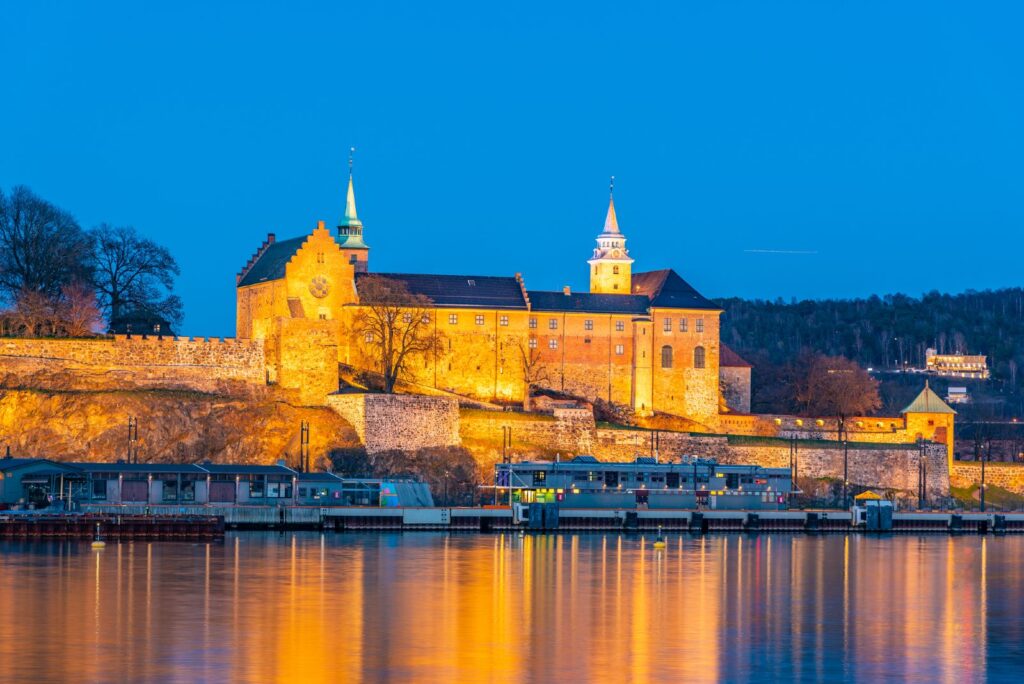
Akershus Castle stands as Norway’s largest medieval fortress, its stone walls rising from the rocky promontory that commanded Oslo Fjord approaches when King Håkon V ordered construction in the late 1290s. The strategic location proved crucial. Proximity to the sea meant naval forces could support the fortress, while the elevation made assault from land nearly impossible. The fortress survived numerous sieges, primarily from Swedish forces, establishing its reputation as an impenetrable stronghold.
King Christian IV transformed the medieval castle into a Renaissance palace during the early 1600s, adding luxurious halls, modernizing defenses with Italian-inspired bastions, and creating the architectural character visitors see today. The castle served as a royal residence until the 19th century, with monarchs using it as a power center when Bergen lost its capital status to Oslo. Guided tours reveal banquet halls where kings feasted, the chapel where royalty worshipped, dungeons called “The Slavery” where prisoners could be rented for city work, and the royal mausoleum housing Norway’s modern monarchs.
Credit: Life in Norway
The Fortress Grounds
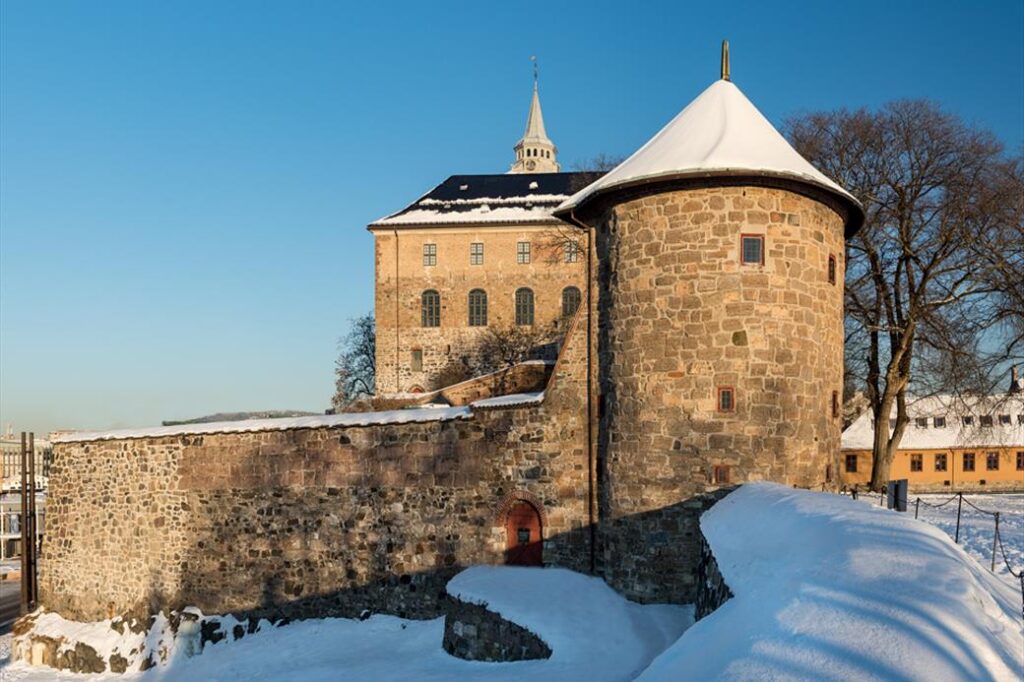
The fortress grounds sprawl across the headland, green lawns and oak trees creating a parkland atmosphere where history and recreation coexist comfortably. Locals treat Akershus as a neighborhood park: jogging around, picnicking on sunny slopes, using shortcuts between the waterfront and the city center, while visitors travel far to discover Oslo’s best harbor views from walls that once bristled with cannons defending Norwegian sovereignty.
Walking the grounds costs nothing, and the openness reflects Norwegian democratic values. This fortress belongs to the people, not merely the government or military. The promenade along the fortress walls offers Instagram-worthy panoramas from the modern Oslo Opera House to the fjord beyond, particularly spectacular at sunset when golden light transforms the scene. Multiple gates allow access from different directions, though the main entrance through Kirkegata near the Armed Forces Museum provides the clearest orientation.
Credit: Visit Oslo
Norway’s Resistance Museum
The Resistance Museum (Norges Hjemmefrontmuseum) occupies 17th-century stone vaults within the fortress, chronicling Norway’s experience during Nazi occupation from 1940-1945. The museum doesn’t shy from difficult truths, for example: how quickly Norway fell, the collaboration that occurred, the brutal suppression of resistance, and the 42 resistance fighters executed at Akershus during German control. Audio-visual exhibits create immersive experiences where visitors confront what the occupation actually meant for ordinary Norwegians.
The exhibition traces the arc from invasion through organized resistance to liberation in May 1945, highlighting individual courage, underground newspapers, sabotage operations, and the networks that helped Jewish Norwegians escape to Sweden. The museum explains why Norway sends a Christmas tree to London annually. It’s gratitude for British support during the darkest days. Small from the outside, the museum expands into a comprehensive exploration of how Norwegians resisted, endured, and ultimately reclaimed independence.
Credit: Oslo, Norway
The Armed Forces Museum
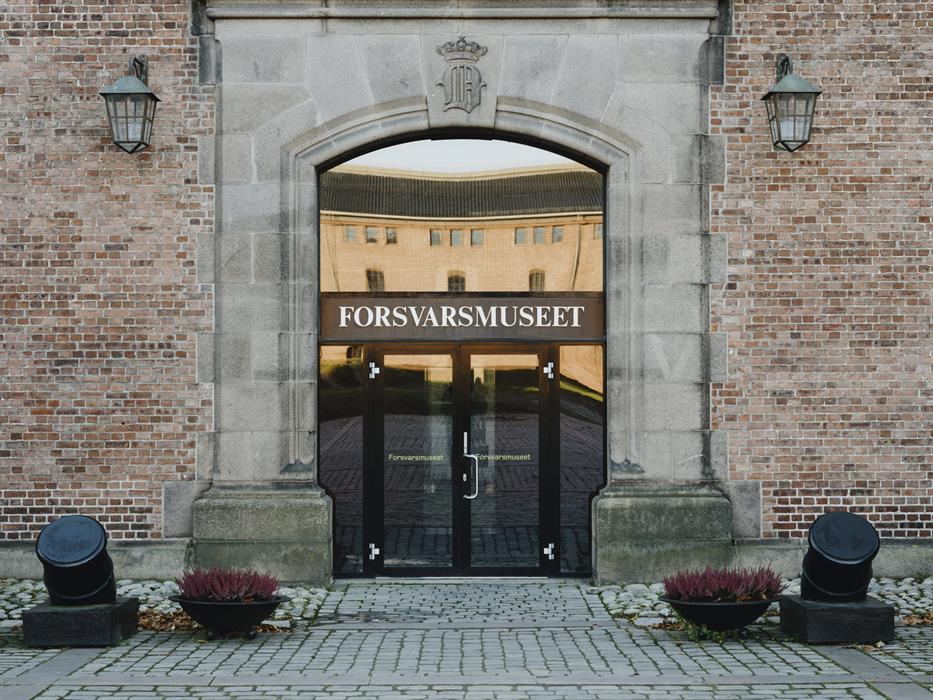
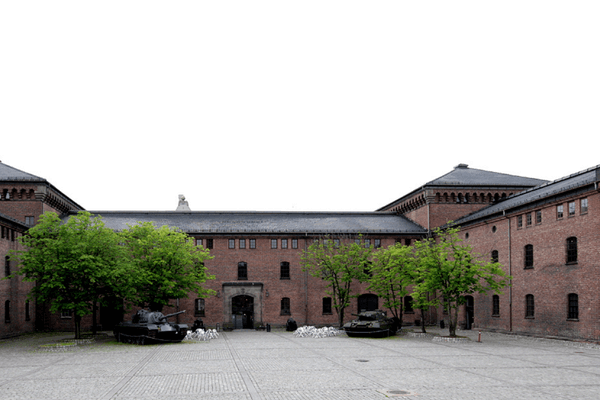
The Armed Forces Museum (Forsvarsmuseet) presents Norwegian military history from the Viking Age through the Cold War in renovated buildings within the fortress complex. The permanent exhibitions showcase weapons, uniforms, and artifacts that tell the stories of Norway’s countless wars, unions with Denmark and Sweden, and the evolution of Norwegian armed forces over centuries of shifting threats and alliances.
The museum provides context for understanding how a small nation maintained independence through strategic alliances, geographic advantages, and military traditions that emphasized defense over aggression. Free admission reflects a commitment to public education about military heritage. The museum café offers refreshments and views of Akershus, creating pleasant breaks between exhibition wings.
Credit: Wikipedia
The Castle Chapel
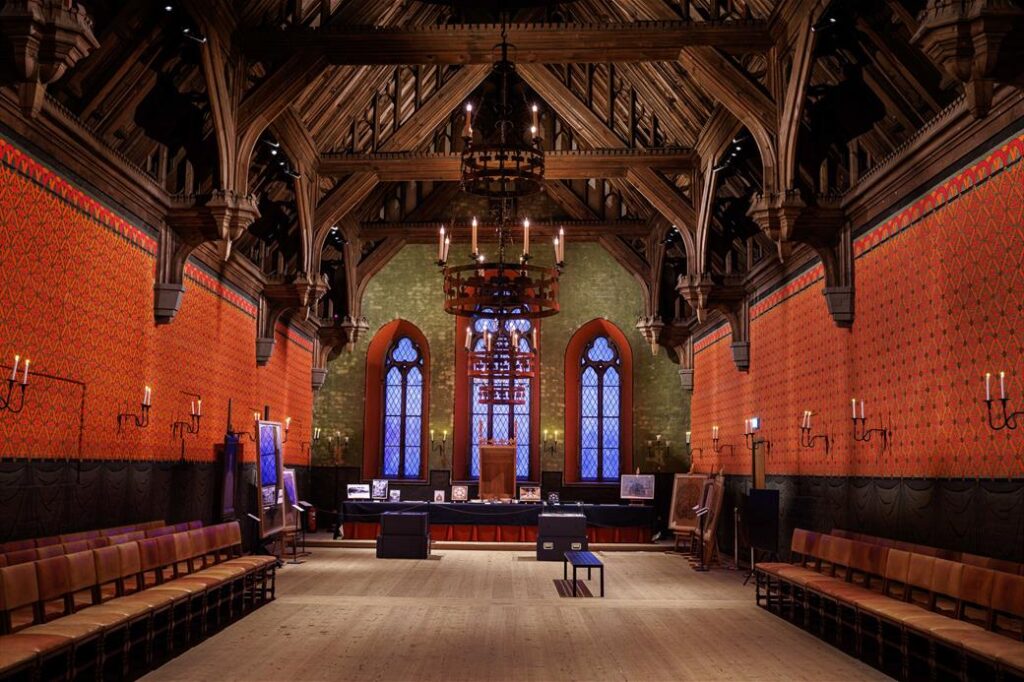
Akershus Castle Chapel provides a sacred space within the fortress, serving both the military garrison and public congregation for centuries. The chapel’s austere beauty reflects Lutheran simplicity, with whitewashed walls, wooden pews, and a particular Nordic Protestant aesthetic in which ornamentation gives way to contemplative plainness. Services remain open to the public, offering rare opportunities to worship in a place where Norwegian royalty has prayed for generations.
The Royal Mausoleum beneath the chapel houses modern Norway’s monarchs and their spouses, including King Haakon VII and Queen Maud, King Olav V and Crown Princess Märtha, King Sigurd I, King Haakon V, and Queen Euphemia, among others. This is living history. Current royal family members will eventually rest here, continuing traditions stretching back to medieval Norway’s most powerful kings.
Credit: Visit Oslo
World War II History
During Nazi occupation from 1940-1945, Akershus Fortress became the German headquarters and execution site where resistance members faced firing squads. The fortress surrendered without combat when the Norwegian government evacuated Oslo during the unprovoked German assault, a pragmatic decision that saved the fortress from bombardment while marking one of Norway’s darkest moments. German forces used the medieval walls to imprison and execute Norwegians who resisted occupation.
After liberation, Norwegian courts tried war criminals at Akershus, executing collaborators, including Vidkun Quisling, Norway’s infamous Nazi puppet leader, within the same walls where he’d wielded power. This justice mattered enormously to Norwegians as they rebuilt national identity after the trauma of occupation. Today, memorials throughout the grounds remember those executed, ensuring their sacrifice isn’t forgotten.
Practical Visit Information
The fortress grounds are open daily from early morning until 21:00, offering ample time for exploration before museums open or after they close. The compact layout allows visiting all three museums (Resistance Museum, Armed Forces Museum, and Akershus Castle) in half a day or full-day depending on interest level and pace. Combined tickets provide entry to all three at a reduced cost versus separate admissions.
The fortress sits roughly 15 minutes’ walk from Oslo Central Station, easily reached by foot from city center hotels or via public transport to Christiania Torv. The surrounding neighborhood, Aker Brygge, with waterfront restaurants, the Opera House with its walkable roof, and various museums, creates a cluster of attractions that allow for full days without extensive travel between destinations. Early-morning visits offer the best lighting for photography and fewer crowds, while sunset offers golden-hour magic over fjord waters.
Conclusion
Akershus Fortress reveals Oslo’s evolution from a medieval trading post to a modern Nordic capital through stone walls that have witnessed coronations and executions, sieges and surrenders, royal feasts and the final moments of resistance fighters. This single castle contains Norway’s essential story, which speaks about strategic vulnerability requiring strong defenses, fierce independence repeatedly tested, and resilience that transformed occupation trauma into determination, ensuring freedom persists.
Whether you seek medieval architecture, military history, World War II memorials, or simply spectacular Oslo views from historic ramparts, Akershus delivers experiences that connect visitors to Norwegian identity in tangible, moving ways. The fortress proves that heritage sites needn’t be passive museums. They can remain active participants in national life while opening generously to anyone curious about the stories stone walls preserve and the nation they helped protect.
If you’d like to explore Oslo’s history beyond Akershus Fortress, discovering Viking heritage, understanding Scandinavian design, and experiencing Norway with guidance that deepens cultural connection, consider our private Oslo experiences crafted to reveal the Norwegian capital with local insight, historical context, and moments that transform sightseeing into genuine understanding of how Norwegians live, remember, and celebrate their remarkable past.
FAQ
Does Oslo have a castle?
Yes, Oslo has a medieval castle called Akershus Fortress. Built in the late 13th century, it overlooks the Oslofjord and has served as a royal residence, military base, and prison. It remains one of Norway’s most important historic landmarks.
Is Akershus Castle free?
The grounds of Akershus Fortress are free to enter year-round. However, there is an admission fee to visit the castle interior and museums. Walking around the fortress walls and enjoying the fjord views costs nothing.
Why is the Akershus Fortress important?
Akershus Fortress is important because it protected Oslo from invasions for centuries and symbolizes Norwegian resilience. It has played key roles in medieval history, World War II, and modern state ceremonies, making it central to Norway’s national identity.
Can you go inside the Royal Palace of Oslo?
Yes, visitors can tour the Royal Palace during guided summer tours, usually from late June to August. Outside these months, the palace is not open to the public, but visitors can explore the surrounding Palace Park for free.