Scottish cuisine tells the story of a nation shaped by rugged highlands, fertile farmlands, and abundant coastlines, where simple ingredients transform into hearty comfort through centuries-old preservation techniques, where oats form the foundation of both breakfast and dessert, and where resourcefulness born from harsh climates has created dishes that warm body and soul equally.
From the iconic haggis that divides opinions globally to creamy Cullen skink that soothes on cold days, from buttery shortbread that melts on the tongue to sticky toffee pudding that satisfies the deepest sweet cravings, Scottish traditional food reflects values deeply embedded in the culture: making the most of what the land provides, wasting nothing, and creating flavors that speak of place rather than pretense.
Key Takeaways
- Scottish cuisine centers on oats, seafood, game, root vegetables, and dairy, shaped by climate and landscape
- Preservation techniques like smoking, curing, or salting define many traditional preparations
- Simplicity and quality ingredients matter more than elaborate techniques or rare spices
- Regional variations reflect local resources from coastal fish to Highland game
- Modern Scotland balances respect for tradition with contemporary culinary innovation
1. Haggis
Scotland’s legendary national dish, haggis, consists of sheep’s heart, liver, and lungs minced with onions, oatmeal, suet, and spices, traditionally encased in the animal’s stomach and boiled. The result tastes savory, peppery, and earthy, which is far less challenging than its description suggests.
Served with “neeps and tatties” (mashed turnips and potatoes), haggis appears at Burns Night celebrations on January 25th, when Scots worldwide honor poet Robert Burns with ceremonial haggis readings. Modern vegetarian versions make this national treasure accessible to all, proving the dish’s enduring appeal transcends any single recipe.
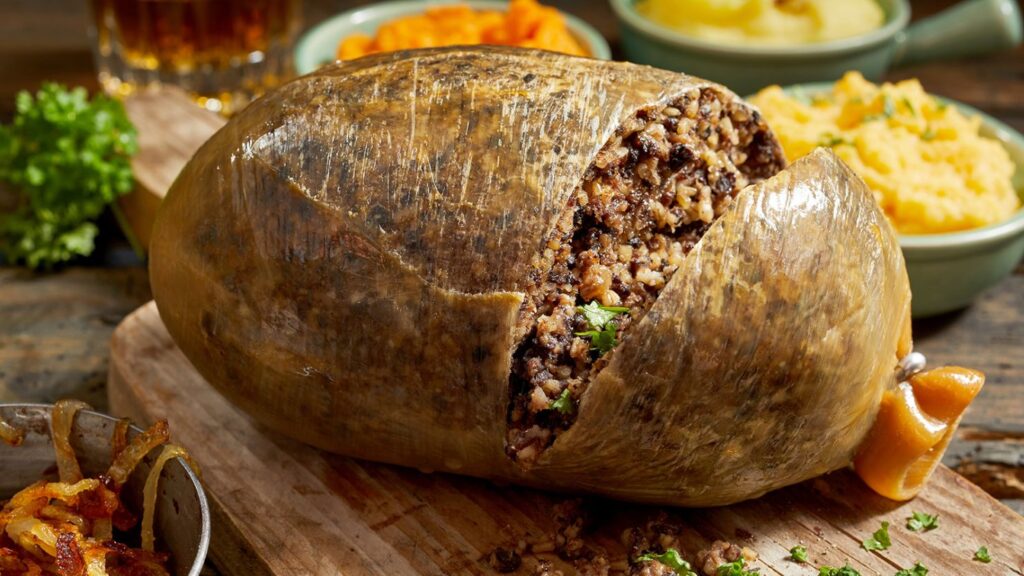
Credit: CNN
2. Cullen Skink
This creamy smoked haddock soup originates from the fishing village of Cullen in Moray, combining smoked fish, potatoes, onions, and milk or cream into a warming comfort perfect for Scotland’s cool climate. The name “skink” derives from the Scots word for “soup” or “broth”.
Once considered humble fisherman’s fare, Cullen skink now graces menus from seaside cafés to elegant hotels, showcasing Scotland’s mastery of simple ingredients transformed through respect and technique. The smoky haddock provides depth while potatoes create body, resulting in a soup that satisfies completely.
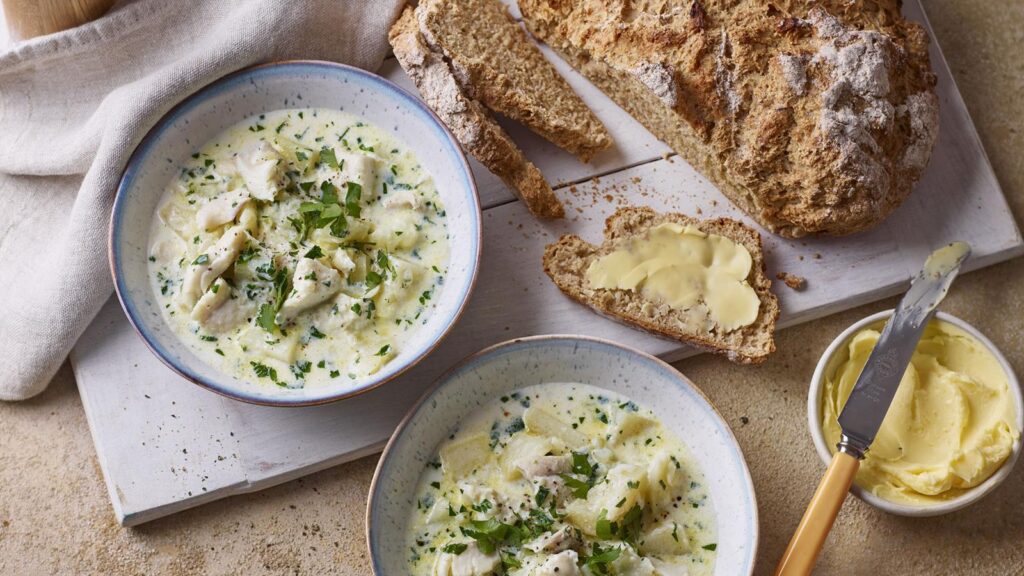
Credit: BBC
3. Full Scottish Breakfast
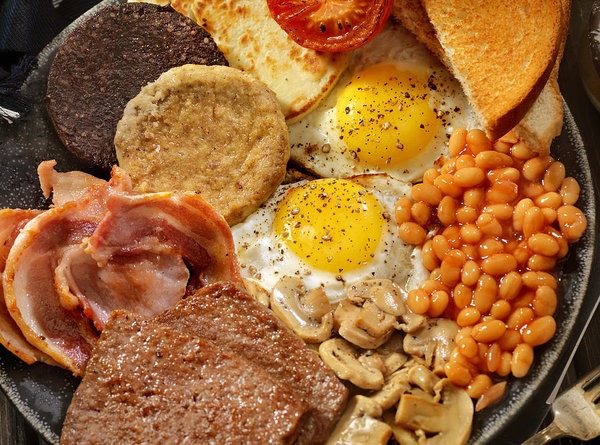
Designed to fuel long days of physical work, a full Scottish breakfast typically includes eggs, bacon, sausages, baked beans, mushrooms, tomatoes, tattie scones (potato flatbreads), black pudding, and sometimes white pudding or haggis. This feast arrives on plates that barely contain its abundance.
The breakfast varies regionally. Edinburgh might add Lorne sausage (square sliced sausage), while Highland versions could include venison. Many establishments now offer vegetarian alternatives, swapping meat for additional vegetables and meat-free sausages without sacrificing the meal’s hearty character.
Credit: Highland Titles
4. Scotch Pie
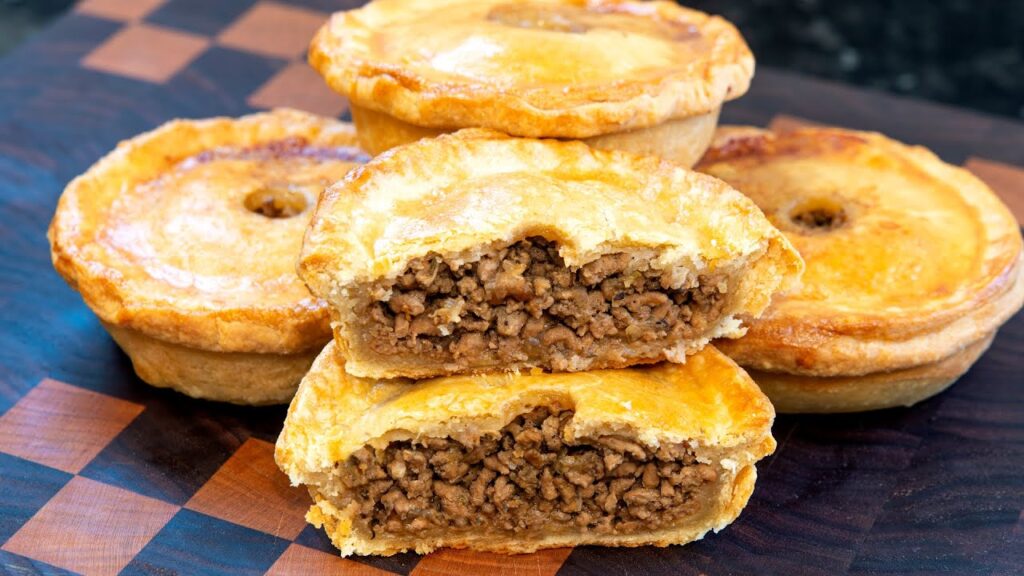
These small double-crusted meat pies traditionally filled with minced mutton (though lamb, beef, or haggis now appear frequently) have been Scottish staples for centuries. The hot water crust pastry creates sturdy cases that hold spiced meat filling, allowing them to be eaten hot or cold.
Originally, “working man’s food” purchased from street vendors, Scotch pies now appear at football matches, bakeries, and even the annual World Scotch Pie Championship, where bakers compete for prestigious titles. They represent Scottish pragmatism, which shows as something portable, filling, and delicious without pretense.
Credit: YouTube
5. Fish and Chips
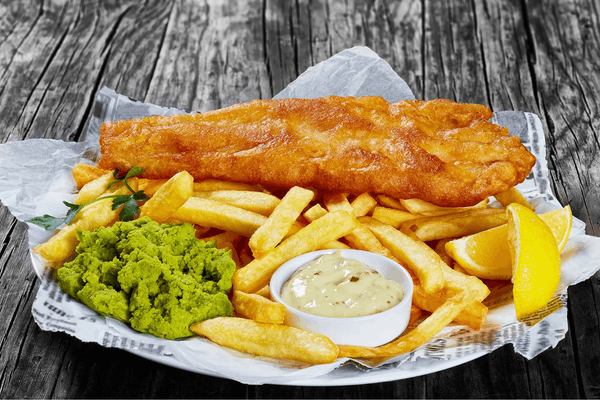
While claimed by England too, Scottish fish and chips holds its own identity. Haddock dominates rather than the cod as the batter achieves a particular golden crispness. And in Edinburgh, “salt and sauce” (brown sauce mixed with vinegar) replaces simple salt and vinegar. The result is flaky fish encased in crunchy coating alongside proper chips.
Scottish chippies also offer “special fish,” which is breadcrumbed rather than battered, for those who prefer a different texture. The dish represents accessible excellence, proving that simple preparations of high-quality ingredients deliver the satisfaction that elaborate cooking sometimes misses.
Credit: Britannica
6. Arbroath Smokies
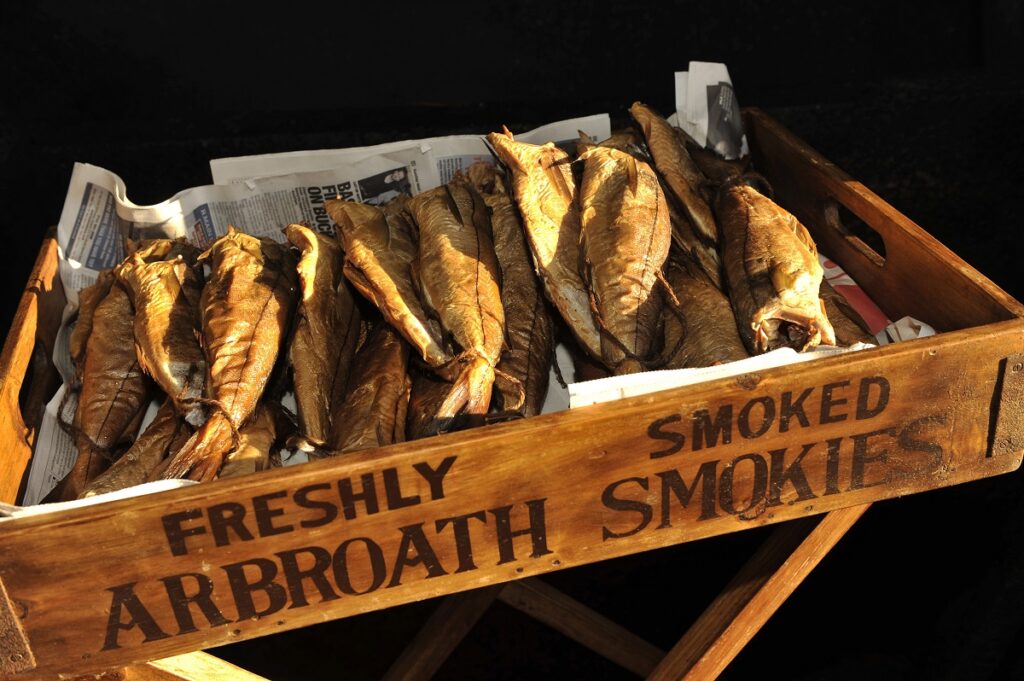
These hot-smoked haddock originated in Auchmithie before the fishing community relocated to Arbroath, bringing their Norse-influenced smoking techniques. The fish are salted, tied in pairs, and smoked over hardwood fires until golden and flaky, developing a distinctive flavor protected by EU geographical indication.
Eaten hot from the smoker, flaked into dishes like Arbroath smokie pâté, or added to kedgeree, these smokies showcase Scotland’s seafood excellence and traditional preservation methods. The protected status ensures authentic Arbroath smokies come only from the proper region using traditional techniques.
Credit: Visit Angus
7. Scotch Broth
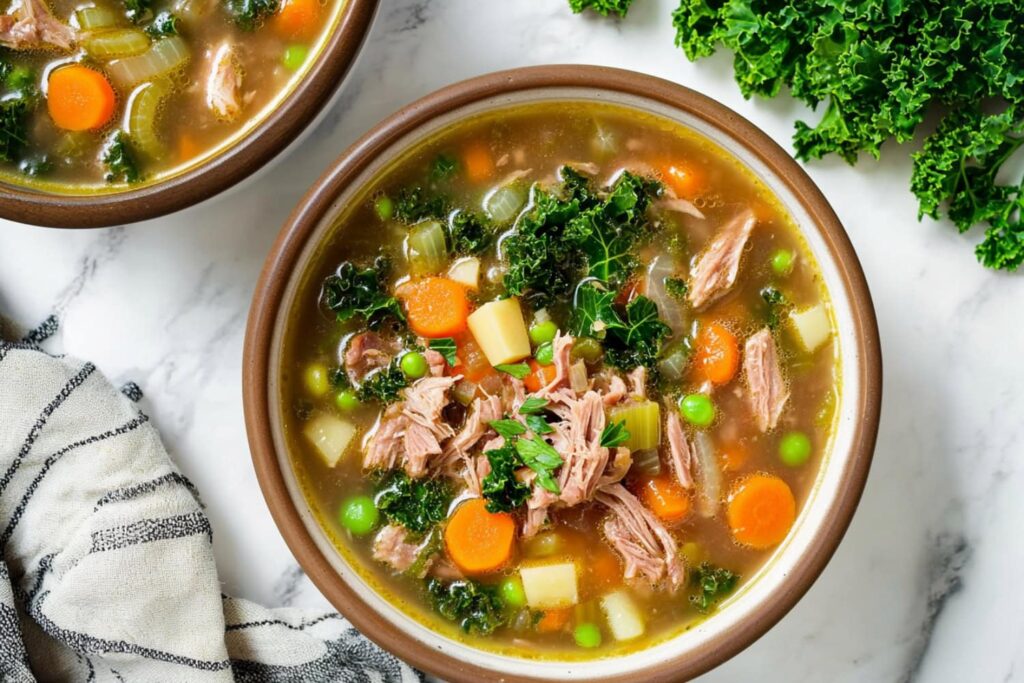
This hearty soup combines lamb or beef with barley, root vegetables (carrots, turnips, leeks), and herbs into one-pot meals that sustain Scottish households through cold seasons. The barley provides body, while vegetables add sweetness and nutrition, creating a broth that is substantial enough to serve as a complete meal.
Scotch broth reflects rural Scottish cooking rooted in farming traditions and practical nourishment. Each family recipe varies slightly, but the fundamental principle remains: good stock, quality vegetables, and time in the cooking that create depth that satisfies far beyond the sum of its simple ingredients.
Credit: Insanely Good Recipes
8. Stovies
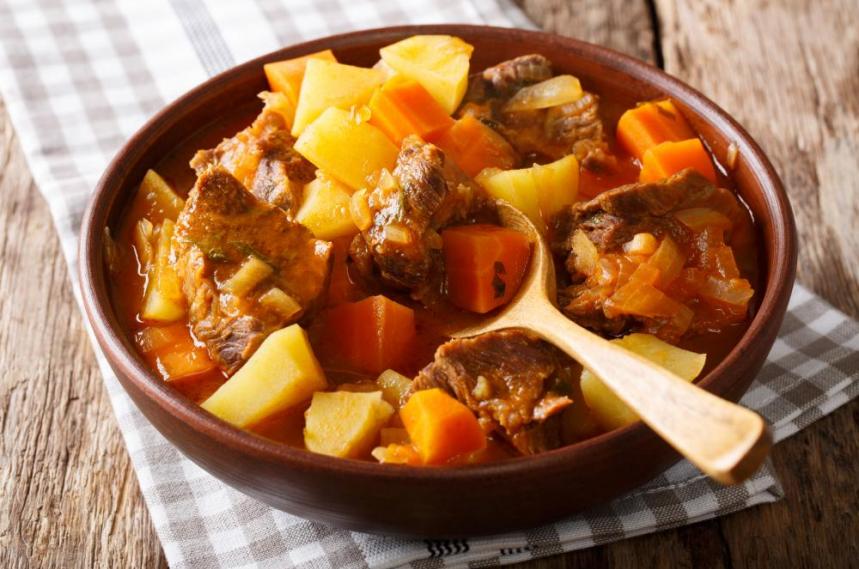
This one-pot dish combines potatoes, onions, and leftover meat (traditionally Sunday roast beef or lamb) into comfort food perfection. The name derives from the Scots word “stove,” meaning slow-cooking, similar to stewing, and reflects French influence through “étuvé.”
Stovies emerged from thrift, using every scrap of Sunday dinner to create Monday’s meal, and remains beloved for its simplicity and warmth. Vegetarian versions prove equally satisfying, demonstrating that the technique and slow-cooked flavors matter as much as any specific ingredient.
Credit: Nairn’s Oatcakes
9. Cock-a-Leekie Soup
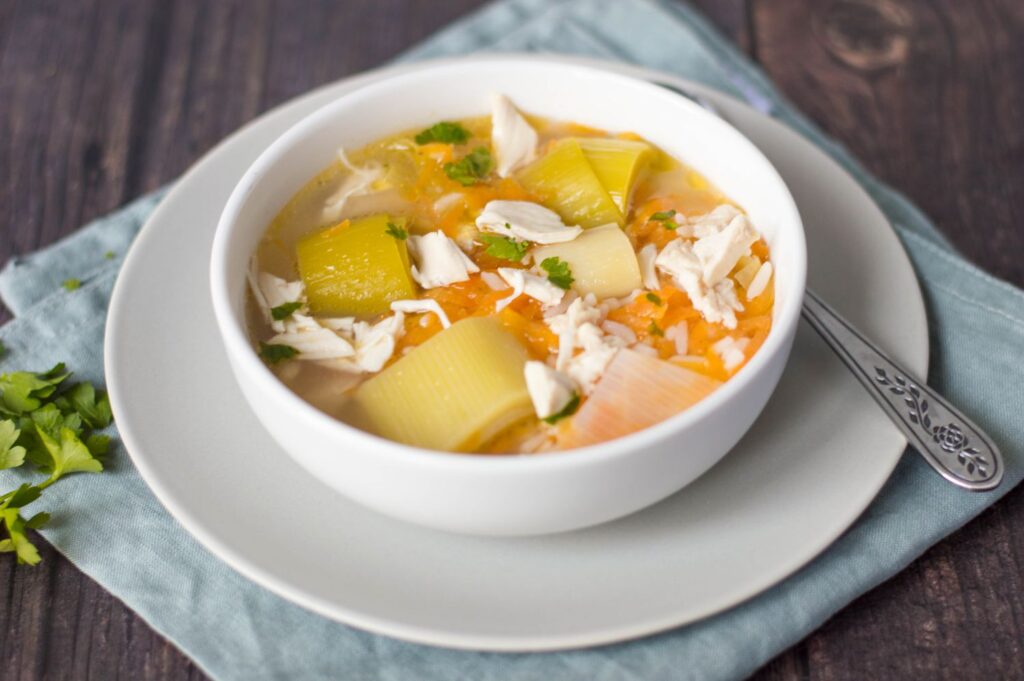
Scotland’s national soup features chicken stock, leeks, and sometimes prunes in a combination that sounds unusual but tastes mild and pleasant. Dating back to the 16th century, this soup can be thickened with rice or barley for a more substantial version.
The prunes add subtle sweetness that balances savory chicken and earthy leeks, creating complexity without overwhelming simplicity. Cock-a-leekie appears on restaurant menus and home tables equally, proving traditional dishes needn’t be elaborate to earn permanent places in culinary tradition.
Credit: The Spruce Eats
10. Black Pudding
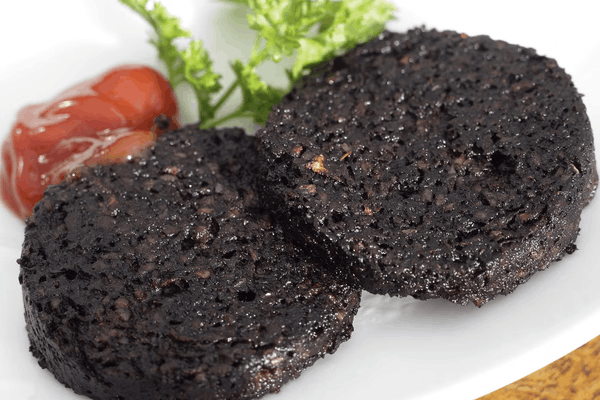
This blood sausage, made from pork or beef blood mixed with oats or barley and spices, forms an essential component of a full Scottish breakfast. The rich, savory flavor and dense texture polarize diners. You either love its earthy intensity or find it overwhelming.
Stornoway black pudding from the Outer Hebrides holds Protected Geographical Indication status, ensuring authentic versions meet specific standards. Despite its challenging reputation, black pudding remains firmly embedded in Scottish food culture, widely produced locally and consumed regularly.
Credit: The Independent
11. Tattie Scones
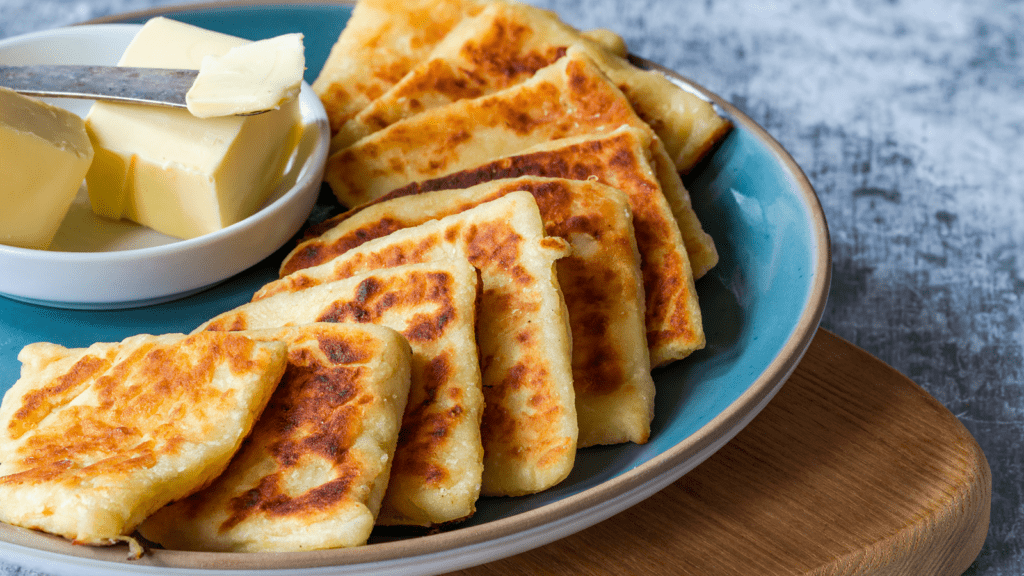
These flat potato breads made from mashed potatoes mixed with flour and cooked on griddles rather than baked developed as a practical use for leftover potatoes. Their mild flavor and soft texture make them ideal breakfast accompaniments, soaking up egg yolks and complementing richer items.
Also called potato scones, they’re rarely eaten alone but fried or warmed as part of a full Scottish breakfast. Their economic origins reflect Scotland’s no-waste cooking traditions, transforming yesterday’s potatoes into today’s comfort.
Credit: Be-Ro
12. Shortbread
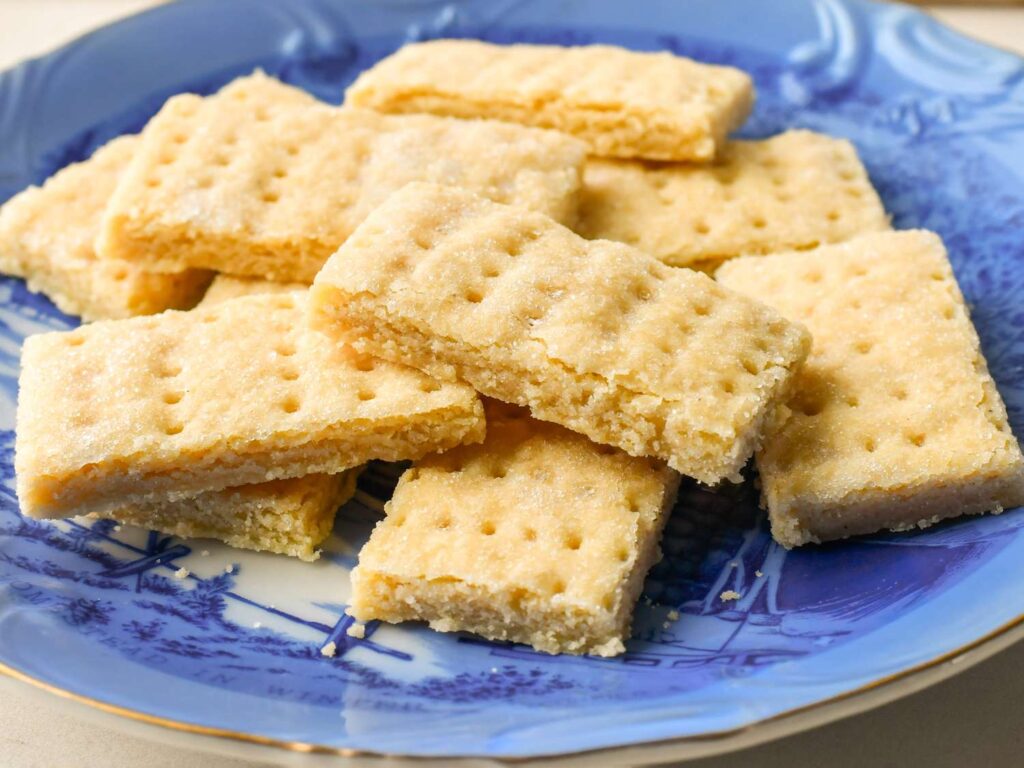
This iconic Scottish biscuit achieves perfection through just three ingredients: butter, sugar, and flour. Then combined in specific ratios and baked until golden. The result crumbles delicately as it melts richly, delivering buttery satisfaction with every bite.
Shortbread appears at celebrations, alongside tea, and as edible gifts that represent Scottish baking excellence. Variations include chocolate chips, lavender, or lemon, though purists insist the original recipe needs no improvement beyond perfect execution.
Credit: AllRecipes
13. Cranachan
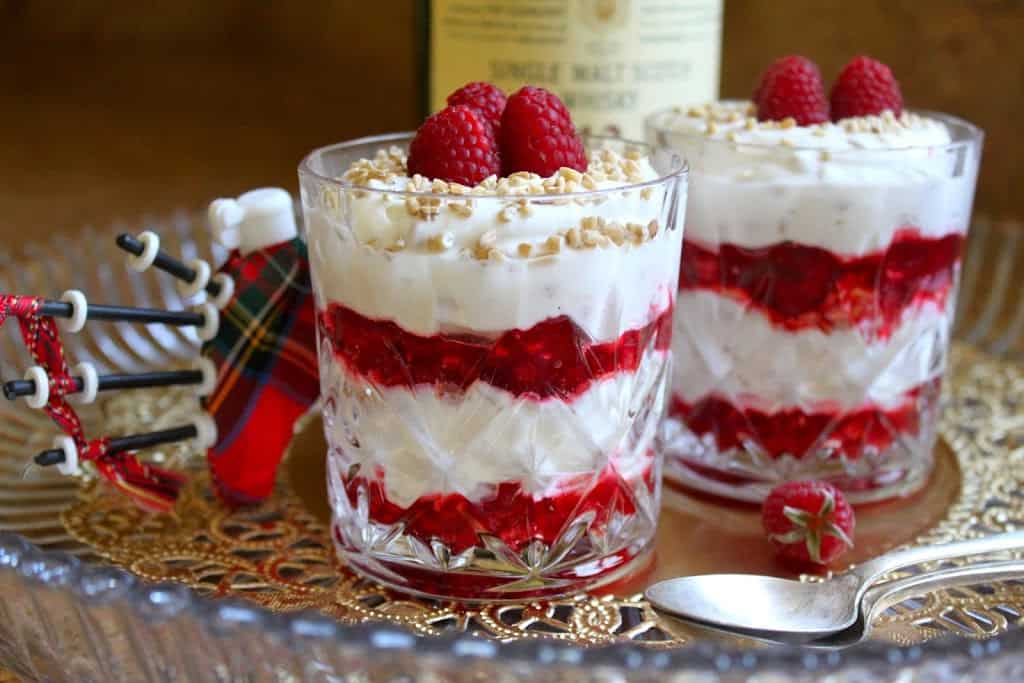
This traditional dessert layers whipped cream, whisky, honey, toasted oats, and fresh raspberries into glasses, balancing indulgence with Scottish ingredients. Originally served at harvest celebrations, it now appears at special occasions year-round, particularly St. Andrew’s Day and Burns Night.
The combination works beautifully. Whisky adds warmth, oats provide texture, honey brings sweetness, and raspberries contribute tartness that prevents cloying richness. Cranachan proves Scottish desserts can be both elegant and deeply rooted in agricultural tradition.
Credit: Christina’s Cucina
14. Sticky Toffee Pudding
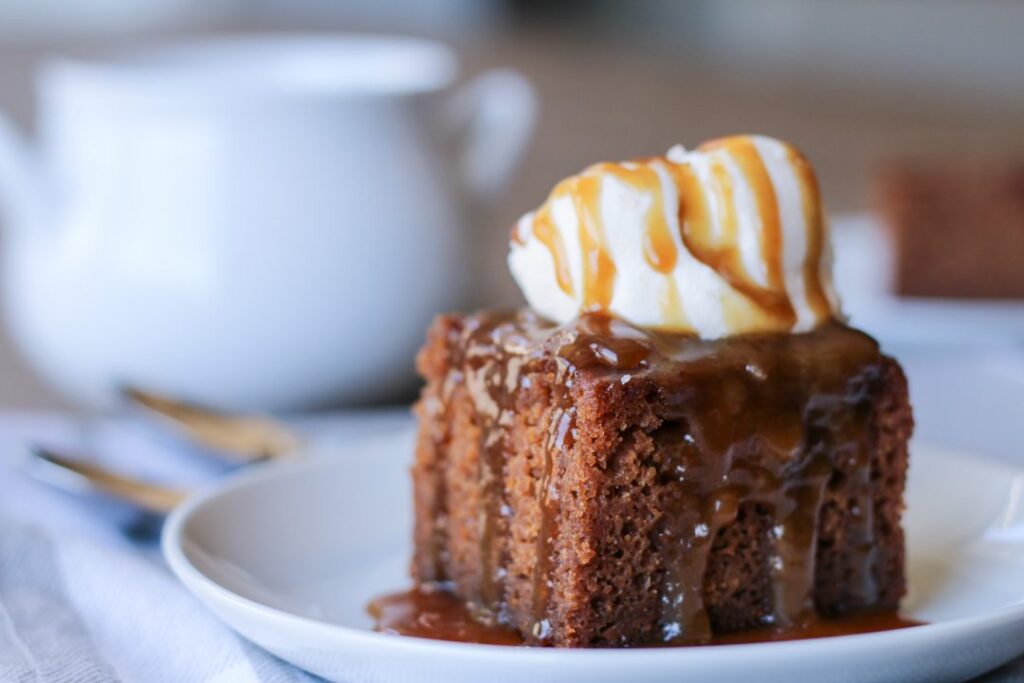
This indulgent dessert combines a moist sponge cake made with dates, rich toffee sauce, and, often, vanilla ice cream or custard. Though enjoyed across Britain, its Scottish origins make it a beloved national treat that appears on dessert menus from casual pubs to fine dining restaurants.
The dates provide natural sweetness and moisture, the toffee sauce adds butterscotch richness, and the temperature contrast between warm pudding and cold ice cream creates textural pleasure. This is a comfort dessert at its finest. It’s unabashedly sweet and deeply satisfying.
Credit: Emi Cooks
15. Tablet
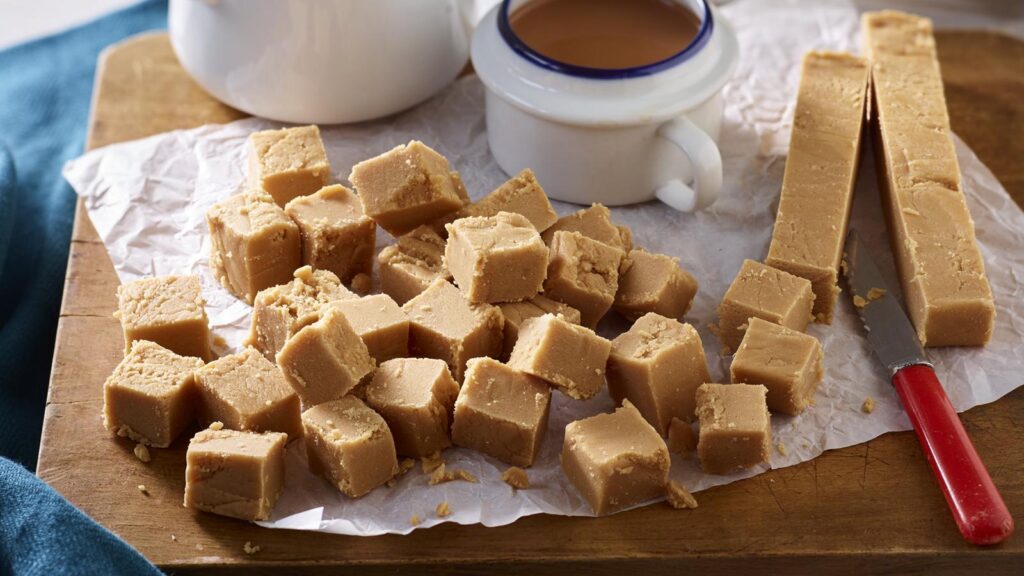
Similar to fudge but firmer and more crumbly, Scottish tablet achieves its distinctive texture through crystallization of sugar, condensed milk, and butter. Often flavored with vanilla or whisky, this sweet treat appears at celebrations, is sold in shops, and given as gifts.
Making a proper tablet requires precise temperature control and timing. Too soft and it’s fudge, too hard and it’s inedible. When perfect, it delivers intense sweetness that satisfies sugar cravings while maintaining that characteristic grainy texture that defines an authentic tablet.
Credit: BBC
16. Bannock
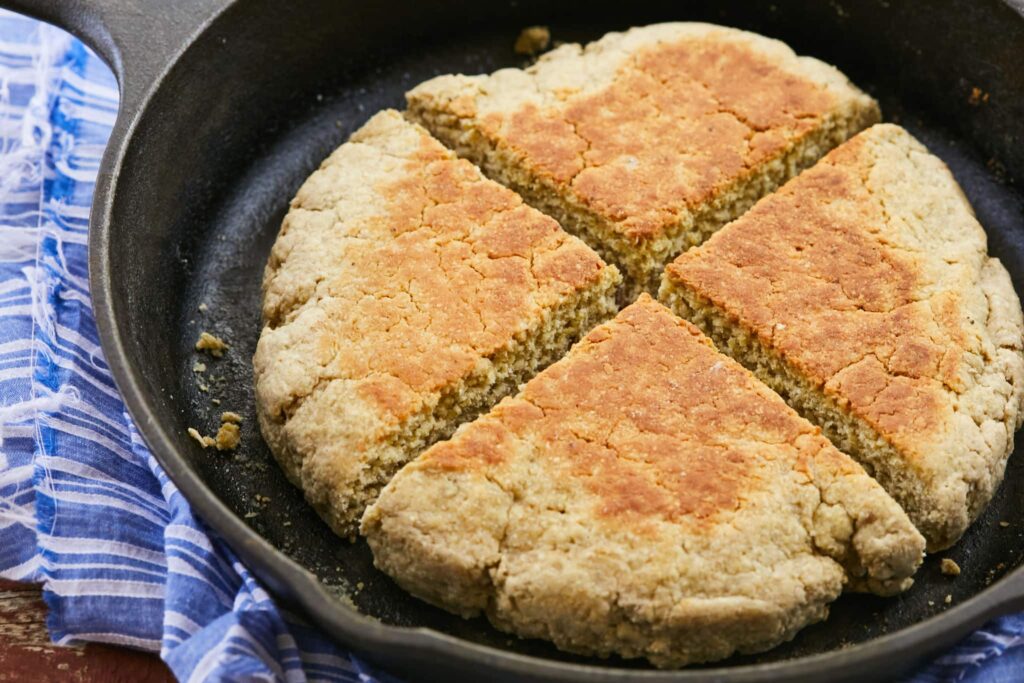
This traditional flatbread made from oatmeal or barley flour and baked on griddles sustained Scottish soldiers on battlefields and families through harsh winters. Served with butter, jam, or honey, bannock works for breakfast, snacks, or simple meals when fresh bread proves unavailable.
Modern versions appear in cafés and bakeries, though the basic recipe has remained unchanged for centuries. Bannock represents Scottish baking’s practical foundations with ingredients available everywhere, minimal equipment required, and results that nourish reliably.
Credit: Bigger Bolder Baking
17. Porridge
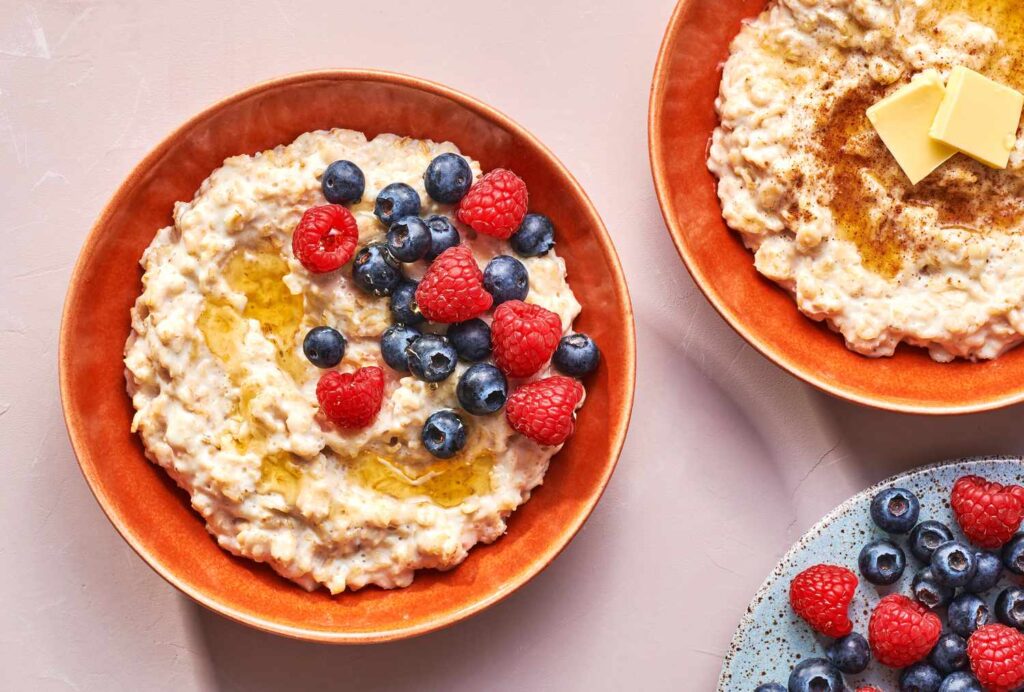
Scottish porridge differs from sweeter international versions, which are traditionally made with oats, water, and salt rather than milk and sugar. This savory breakfast provided sustaining fuel for laborers and remains popular in B&Bs, hotels, and homes across Scotland.
Toppings range from traditional salt to contemporary additions such as honey, fruit, and even whisky. The key lies in proper oat-to-water ratios and slow cooking, which create a creamy texture without mushiness. Porridge proves that the simplest foods, executed well, satisfy completely.
Credit: The Spruce Eats
18. Smoked Salmon
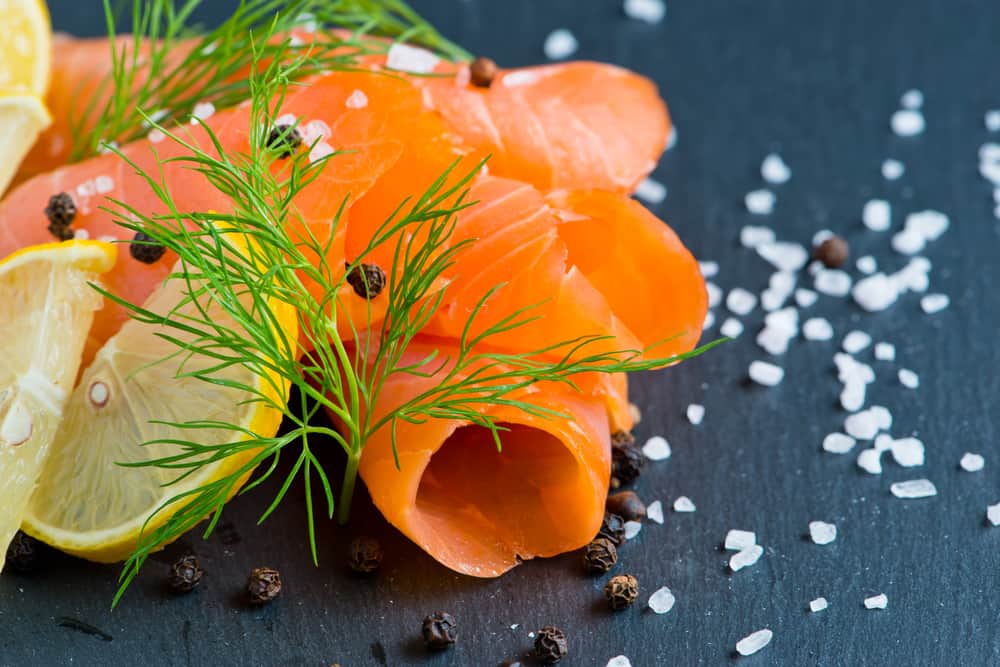
Scotland’s cold, clean waters produce exceptional Atlantic salmon that, when traditionally smoked over wood chips, achieves a silky texture and delicate flavor prized globally. Scottish smoked salmon appears at breakfast buffets, elegant canapés, and everything in between.
The smoking process requires skill. Too much smoke overwhelms the fish’s natural richness, too little fails to preserve properly. Quality Scottish smoked salmon should taste primarily of salmon with gentle smoke enhancement, the cure bringing out rather than masking natural flavors.
Credit: The Blackface Meat Company
19. Neeps and Tatties
Simply mashed turnips (swedes/rutabaga) and potatoes, these root vegetables form essential haggis accompaniments. Boiled until tender, then mashed with butter, they provide sweet earthiness that balances haggis’s savory intensity and creates a complete meal when combined.
The dish reflects Scottish agricultural traditions, with root vegetables that store well through winter and are prepared simply to let their natural flavors shine. When served with haggis at a Burns Supper, the combination is called the traditional Burns Supper meal.
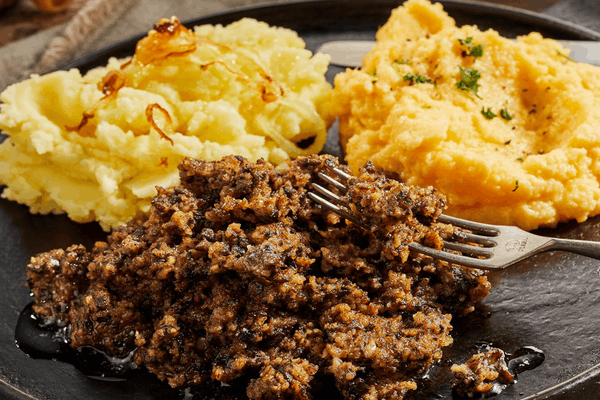
Credit: TasteAtlas
20. Scotch Eggs
Hard-boiled eggs wrapped in sausage meat, coated in breadcrumbs, and deep-fried create portable snacks found in pubs throughout Scotland. Though originally from London, Scots have enthusiastically adopted Scotch eggs, making them breakfast staples and quick bites.
Quality varies enormously. The best feature is properly cooked eggs with runny yolks, well-seasoned sausage meat, and crispy breadcrumb coating. Served with mustard or chutney, they represent the British Isles’ shared culinary traditions adapted to Scottish tastes.
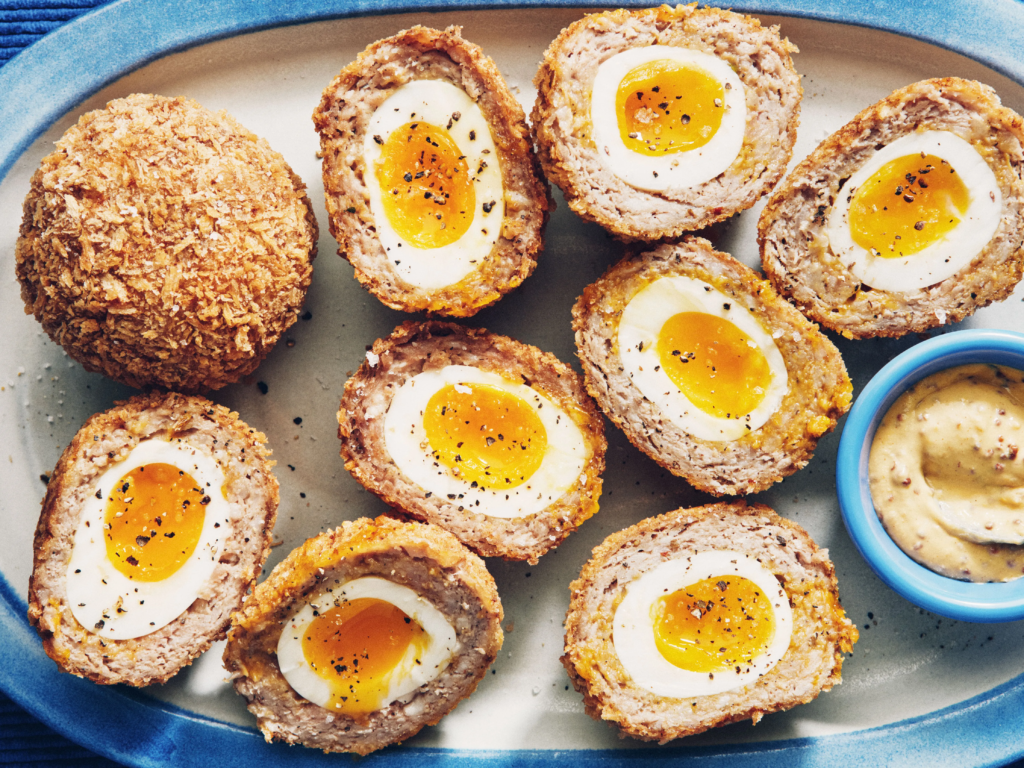
Credit: Bon Appetit
21. Kedgeree
This breakfast dish of spiced curried rice, smoked haddock, and soft-boiled eggs reflects British imperial influence on Scottish cuisine. The combination sounds unusual but works beautifully. Smoky fish, aromatic spices, and creamy eggs create complex flavors that wake up morning palates.
Kedgeree appears less frequently than traditional Scottish breakfasts but remains beloved in hotels and restaurants seeking to offer variety. It demonstrates how Scottish cuisine absorbed international influences while maintaining focus on quality seafood and local ingredients.
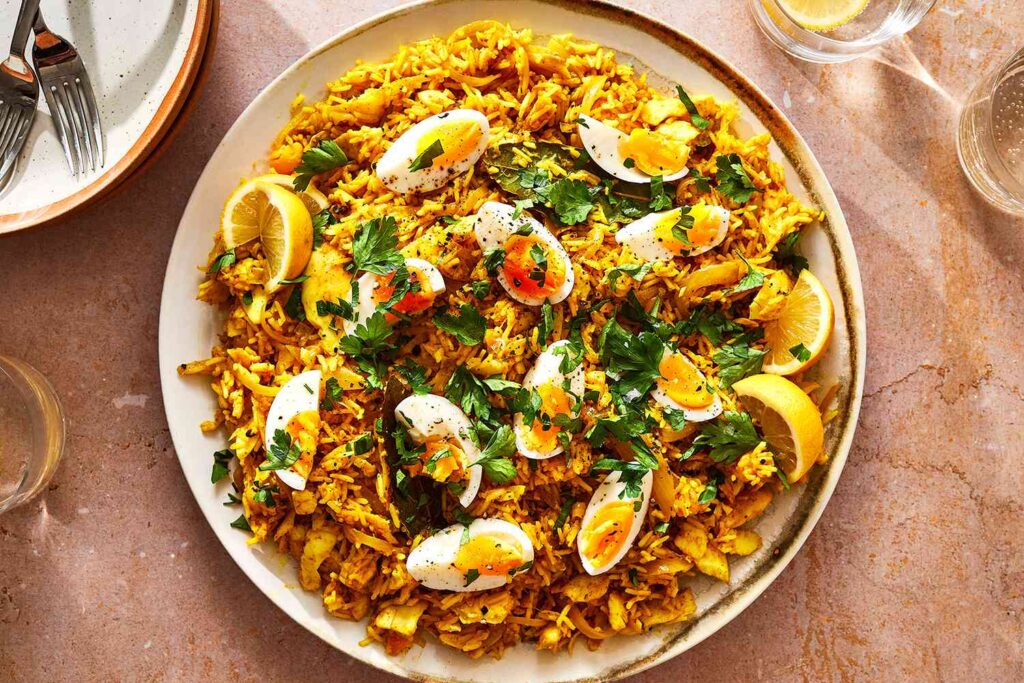
Credit: The Spruce Eats
22. White Pudding
Similar to black pudding but without blood, white pudding combines pork meat and fat with oatmeal, suet, and spices. Milder than its darker cousin, it appears alongside black pudding in full Scottish breakfasts, offering alternatives for those who find blood sausage challenging.
Regional variations exist throughout Scotland, with some versions including beef, others emphasizing particular spices. White pudding proves that Scottish sausage-making traditions extend beyond haggis and black pudding into diverse territory worth exploring.
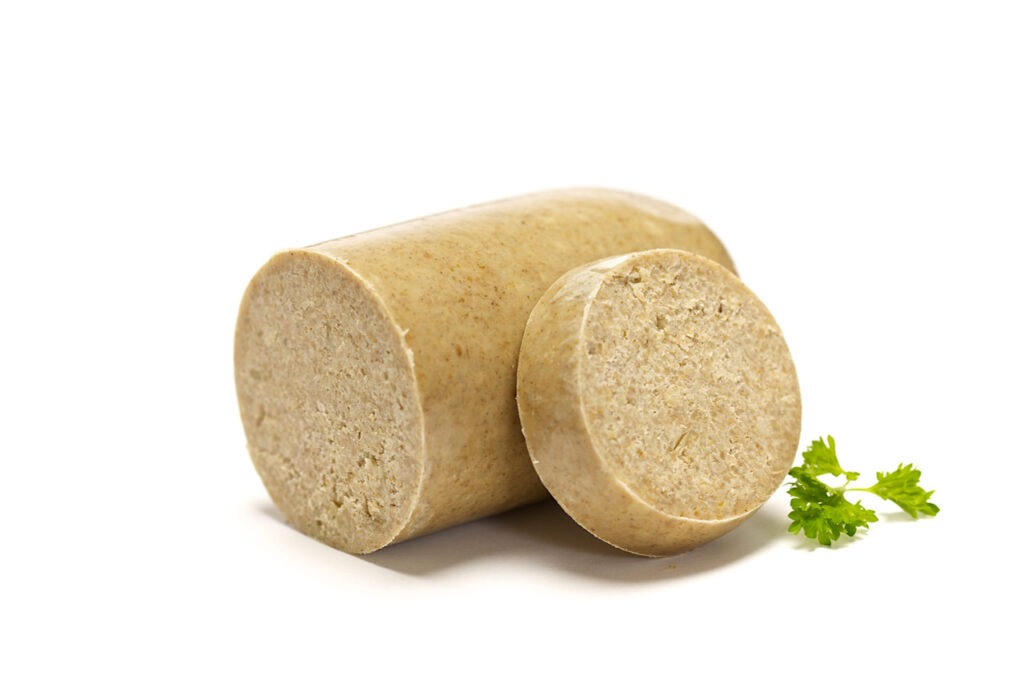
Credit: Grants of Speyside
23. Rumbledethumps
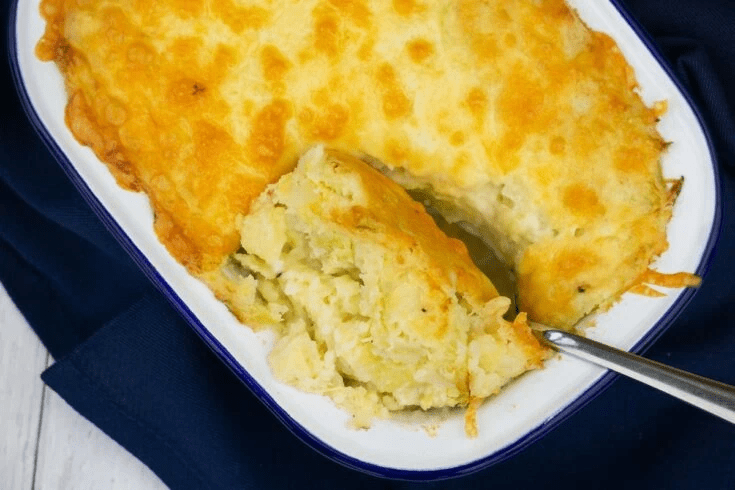
This traditional Border dish combines mashed potatoes, cabbage, and onions, sometimes topped with cheese and baked until golden. Similar to Irish colcannon or English bubble and squeak, rumbledethumps reflects shared Celtic and British traditions adapted to Scottish ingredients and tastes.
The memorable name alone delights, while the dish provides comfort through familiar vegetables transformed into something greater through combination and cooking. It demonstrates Scottish cooking’s ability to elevate simple ingredients into memorable meals.
Credit: Scottish Scran
24. Deep-Fried Mars Bar
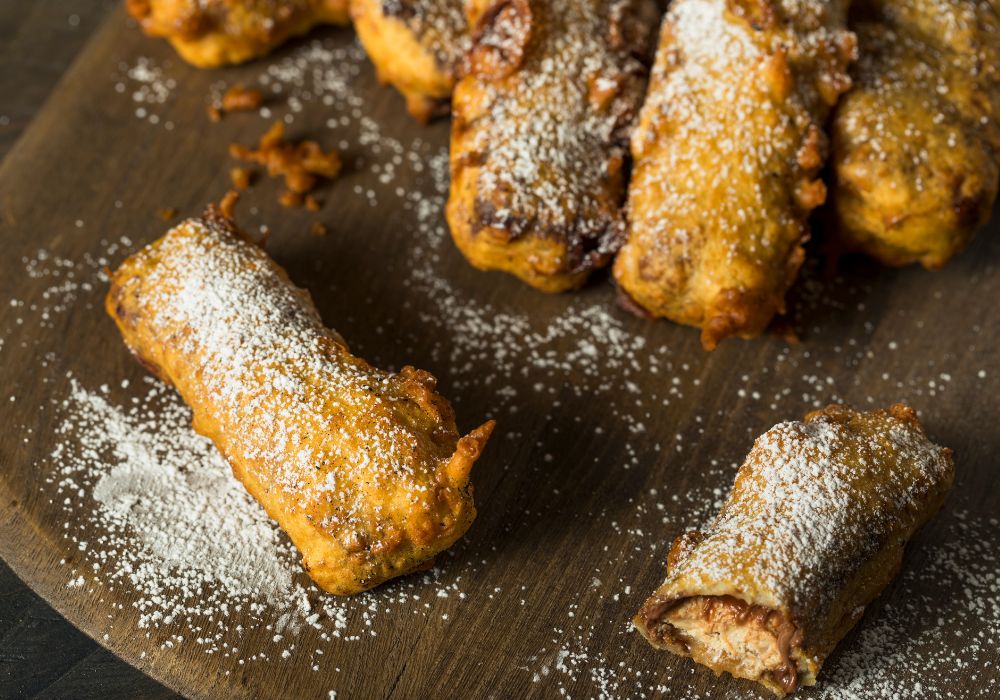
Invented in 1992 at a chip shop in Stonehaven, this controversial treat involves battering and deep-frying chocolate bars until the coating crisps and the chocolate melts. More novelty than tradition, it represents Scottish willingness to experiment and that particular humor that finds joy in extremes.
Not an authentic tradition despite tourist fascination, deep-fried Mars bars nonetheless capture something of Scottish food culture: playfulness, a lack of pretension, and a willingness to try anything at once. Most Scots laugh at rather than regularly consume them.
Credit: Frymax
25. Scotch Whisky
More than just a drink, Scotch whisky forms an integral part of Scottish culinary identity. Used in cooking (whisky sauce for haggis, whisky in cranachan), paired with meals, or enjoyed neat, whisky connects to Scottish terroir through malted barley, peat smoke, and regional characteristics.
From smoky Islay malts to lighter Speyside expressions, Scotch whisky enhances Scottish food experiences and provides insight into regional character. Many traditional dishes taste incomplete without considering how whisky complements or enhances their flavors.

Credit: Forbes
Conclusion
Scottish traditional food reveals a nation that transformed geographic and climatic challenges into culinary strengths, where preservation techniques born from necessity became celebrated traditions, and where simple ingredients treated with respect create dishes that satisfy both hunger and cultural connection. From haggis’s controversial excellence to Cullen skink’s comforting warmth, from shortbread’s buttery simplicity to sticky toffee pudding’s indulgent sweetness, these dishes tell stories of resourcefulness, community, and that particularly Scottish ability to find joy in straightforward pleasures.
Whether you seek hearty breakfasts that fuel Highland walks, warming soups that banish cold, or sweet treats that celebrate with abandon, Scottish food delivers experiences rooted in place, history, and values that honor both tradition and contemporary taste. Each dish represents not just sustenance but identity – ways of being Scottish expressed through what lands on the plate and warms the soul.
If you’d like to explore Scottish food culture alongside the country’s dramatic landscapes, historic castles, and vibrant cities where traditional and contemporary Scotland merge, discover our private experiences in Edinburgh crafted to reveal this beautiful capital with local insight, cultural depth, and moments that transform tourism into a genuine understanding of how Scots live, eat, and celebrate.
FAQ
What is a normal meal in Scotland?
A normal meal in Scotland often includes hearty dishes like steak pie, fish and chips, roast dinners, or mince and tatties (minced beef with potatoes). Scottish cuisine focuses on local ingredients such as beef, lamb, seafood, oats, and root vegetables.
What is a traditional Scottish breakfast?
A traditional Scottish breakfast includes bacon, sausages, fried eggs, baked beans, grilled tomatoes, mushrooms, black pudding, tattie scones, and toast. Some versions also include haggis. It’s a filling, savory meal similar to a full English but with distinct Scottish additions.
What is traditional in Scotland?
Traditional elements of Scotland include kilts, bagpipes, Highland games, whisky production, clan heritage, and ceilidh dancing. Cultural traditions also feature storytelling, tartan patterns, and national celebrations like Burns Night, honoring poet Robert Burns.
What dish did Scotland make?
Scotland is most famous for creating haggis, a savory dish made from sheep’s offal, oats, onions, and spices. Other iconic Scottish dishes include Scotch broth, Cullen skink (smoked haddock soup), and shortbread, a classic buttery biscuit.