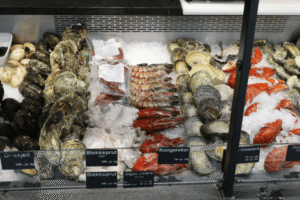
Norwegian cuisine tells the story of a nation shaped by its landscape. Endless coastlines yielding pristine seafood, mountains offering wild local herbs, and long winters demanding ingenuity in preservation. This is food born from necessity that has evolved into celebration, where fermented fish and air-dried lamb sit comfortably alongside Michelin-starred innovation, and where traditional techniques honored for centuries continue to define what it means to eat Norwegian.
From the briny sweetness of gravlaks cured with dill to the hearty comfort of fårikål simmering with cabbage and peppercorns, from controversial delicacies like lutefisk that divide even locals to the beloved brown cheese spread on morning toast, Norwegian traditional food reflects values deeply embedded in the culture: respect for ingredients, minimal waste, and flavors that speak of place rather than trend.
Whether you seek the familiar comfort of meatballs served with lingonberry jam, the adventure of tasting reindeer in Arctic regions, or simply understanding how a nation transforms its challenging climate into culinary strength, Norwegian food offers experiences that nourish both body and curiosity about how people thrive in northern latitudes.
Key Takeaways
- Norwegian cuisine centers on seafood, game, and lamb shaped by the country’s dramatic landscape
- Preservation techniques like smoking, curing, fermenting, or drying define traditional preparations
- Simplicity and quality define Norwegian cooking: few ingredients treated with respect
- Regional variations reflect local ingredients, from coastal fish to Arctic reindeer
- Modern Norwegian cuisine balances innovation with deep respect for traditional methods
1. Fårikål (Lamb and Cabbage Stew)
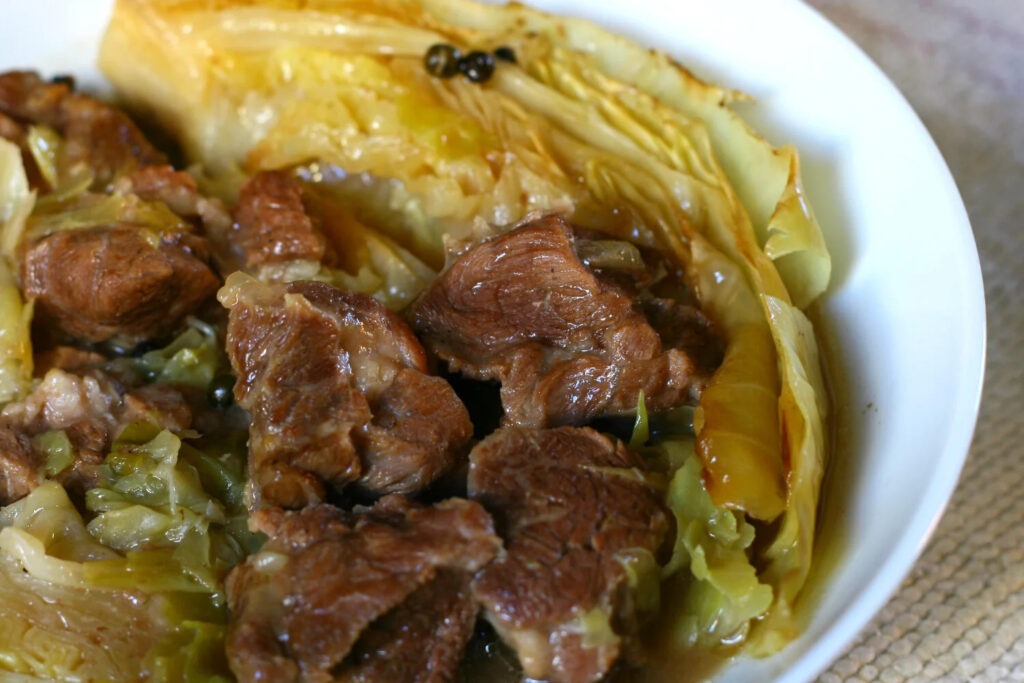
Norway’s undisputed national dish, fårikål captures the essence of Norwegian autumn in a single pot. Lamb or mutton on the bone layers with cabbage, black peppercorns, and salt before being covered with water and simmered until the meat falls tender from the bone and the cabbage melts into sweet submission.
The dish emerged from practical necessity where autumn lamb slaughter and abundant cabbage created perfect seasonal pairing, while the long, slow cooking required minimal attention from farmers busy with harvest. Today, Fårikål Feast Day falls on the last Thursday of September, when restaurants and homes across Norway prepare vast pots of this beloved stew.
The simplicity feels almost radical: just four ingredients creating depth that rivals far more complex dishes. The lamb, raised on Norway’s mountain pastures where herds graze freely on wild herbs and grasses, brings natural richness that needs no elaborate seasoning. Boiled potatoes and sharp lingonberry sauce provide starchy comfort and acidic brightness that balance the stew’s savory weight.
Fårikål works as a weeknight dinner and as a celebration meal equally well. Its democratic appeal crosses all through class and region. Western Norway claims the strongest fårikål tradition, though Oslo’s traditional restaurants serve excellent versions year-round for those craving this taste of Norwegian identity.
Credit: Louche Gastronomique
2. Brunost (Brown Cheese)
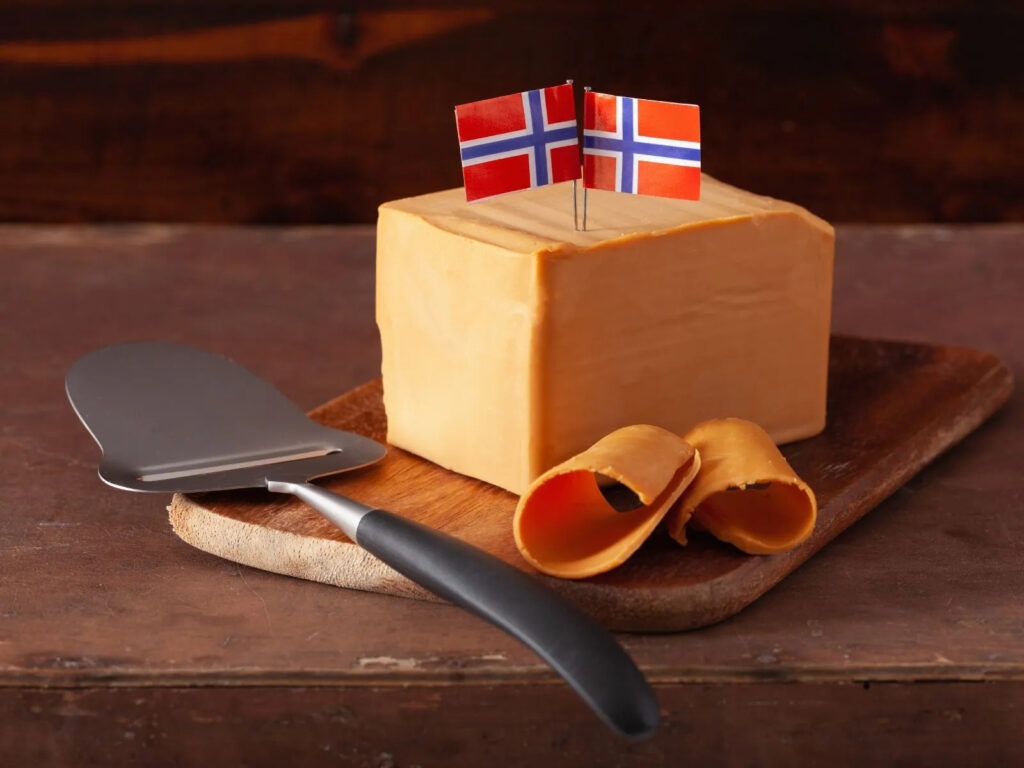
Walking into any Norwegian home, you’ll likely find brunost in the refrigerator. This caramelized whey cheese with its distinctive brown color and sweet, fudge-like character defines Norwegian breakfast tables more than any other single item. Technically not cheese at all but rather a preserved dairy product, brunost is made by boiling whey, milk, and cream for hours until water evaporates and milk sugars caramelize into that signature brown color.
The most famous variety, Gudbrandsdalsost, blends cow and goat milk whey for a complex flavor that balances sweetness with subtle tang. Pure goat versions (geitost) offer stronger, more assertive character that polarizes even Norwegians. You either love it or find it overwhelming.
Norwegians slice brunost thin using special cheese slicers (ostehøvel, a Norwegian invention) and layer it on freshly baked bread, waffles, or crisp flatbread. The combination of sweet cheese against neutral bread creates morning ritual comfort that tourists often find surprising but locals consider essential. Some pair it with raspberry jam for extra sweetness, while others prefer the cheese alone to appreciate its unique caramel notes.
Brunost represents Norwegian innovation born from thrift as whey was too valuable to waste, so 19th-century dairy farmers transformed it into something not just edible but beloved. Today, it remains distinctly Norwegian despite attempts to export it, a flavor so tied to place and culture that it resists translation.
Credit: Cheese Scientist
3. Gravlaks (Cured Salmon)
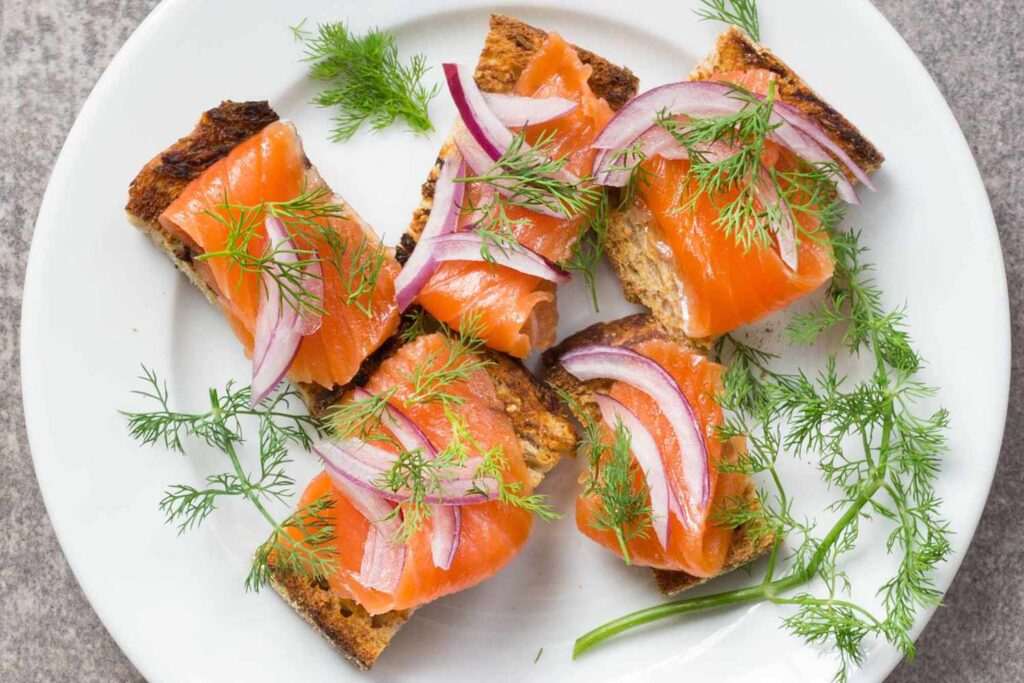
Gravlaks demonstrates Norwegian mastery of seafood preservation through curing rather than smoking. Fresh salmon fillets get buried (grav means “buried”) under a mixture of salt, sugar, dill, and sometimes peppercorns for 24-48 hours, drawing out moisture while infusing flavor and transforming texture into something silky and delicate.
The technique dates to medieval times when fishermen would literally bury salmon in sand above the high-tide line, allowing fermentation alongside curing. Modern gravlaks skips fermentation for cleaner flavors, though the name persists as a reminder of older, more pungent traditions.
Served thinly sliced on dark bread with mustard-dill sauce (hovmästarsås), alongside boiled potatoes, or as part of elaborate buffets, gravlaks captures Norwegian seafood at its finest. The cure enhances salmon’s natural richness without overwhelming its delicate flavor, creating something more refined than smoked salmon while maintaining Norwegian straightforwardness in preparation.
Quality matters enormously here. Norwegian Atlantic salmon, raised in cold, clean fjord waters, provides ideal texture and fat content for curing. The fish should taste of the sea without fishiness, sweet without sugar, and carry that unmistakable dill perfume that defines Scandinavian cured fish.
Credit: Simply Recipes
4. Lutefisk (Lye-Cured Cod)
Perhaps Norway’s most controversial dish, lutefisk divides even Norwegians into passionate defenders and equally passionate critics. This Christmas-season specialty begins with dried cod (stockfish) soaked in cold water for six days, then lye for two days (creating gelatinous texture and alkaline pH of 11-12), then cold water again for four to six days until finally safe to cook.
The resulting fish trembles on the plate, translucent and jelly-like, with a subtle flavor that some find delicate and others find unnervingly bland. Traditional accompaniments are the boiled potatoes, peas, melted butter, crispy bacon, and white sauce which provide richness and texture contrast that many consider essential to enjoying lutefisk properly.
The dish emerged from practical preservation needs. Dried cod could last indefinitely, and lye treatment rehydrated it when fresh fish became scarce during winter months. Today, lutefisk persists more as cultural tradition than everyday meal, appearing at Christmas tables where ritual matters as much as flavor.
Trying lutefisk represents cultural experience more than culinary adventure. This is food deeply tied to Norwegian identity, winter traditions, and that northern European willingness to eat challenging things simply because ancestors did. Approach with an open mind and aquavit on hand.
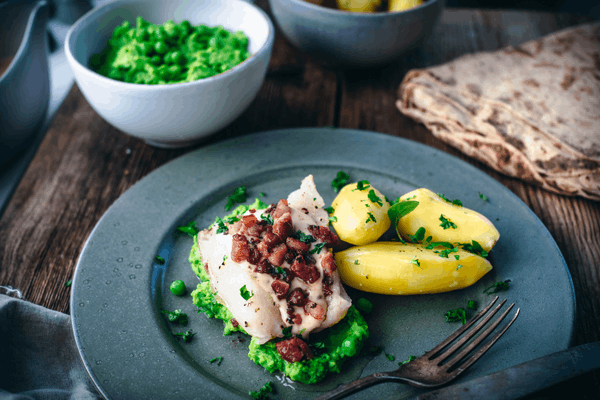
Credit: Lutefisk – North Wild Kitchen
5. Pinnekjøtt (Dried and Steamed Lamb Ribs)
Christmas dinner in Western Norway means pinnekjøtt which is a salted, sometimes smoked, dried lamb or mutton ribs steamed over birch sticks (pinne means “stick,” kjøtt means “meat”). The ribs emerge tender and falling from bone, with concentrated lamb flavor intensified through curing and gentle cooking.
The preparation method dates to times when autumn slaughter required preserving meat through long winters without refrigeration. Salting and drying transformed fresh ribs into something that could hang in cold storage for months, ready to be steamed when celebration called for special meals.
Served with mashed rutabaga (kålrabistappe), boiled potatoes, and sometimes a light cream sauce, pinnekjøtt creates Christmas Eve feast across western regions where the tradition runs deepest. The dish has spread beyond its coastal origins, with pinnekjøtt now rivaling other Christmas favorites like ribbe (pork belly) and turkey for holiday table dominance.
Eating pinnekjøtt feels ceremonial as the preparation takes days, the steaming fills homes with aromatic promises, and the first bite carries the weight of tradition and seasonal celebration. This is food that marks time, that connects present meals to generations past, that makes winter feel less dark through shared feasting.

Credit: SY Selkie
6. Kjøttboller (Norwegian Meatballs)
Similar to Swedish meatballs but distinctly Norwegian through the addition of ginger or nutmeg, kjøttboller represents comfort food beloved across generations and regions. Ground beef or pork (sometimes lamb or reindeer in northern areas) mixes with breadcrumbs, milk, eggs, and spices before being formed into child-fist-sized balls and pan-fried until golden.
The dish carries class history. Only wealthy families owned meat grinders in the 18th century when kjøttboller first appeared, making these meatballs luxury food that has since become everyday comfort accessible to all. Today, supermarkets sell frozen versions while grandmothers still make them from scratch according to family recipes passed down through decades.
Served with boiled potatoes, brown gravy (brunsaus), stewed peas, and lingonberry preserves, kjøttboller creates weeknight dinner that feels like home regardless of whose kitchen you’re eating in. The gravy matters enormously. When properly made, it should be rich and savory without heaviness, coating meatballs and potatoes with glossy comfort.
The lingonberry accompaniment isn’t a garnish but an essential component. Its sharp sweetness cuts through gravy richness and refreshes the palate between bites. This sweet-savory pairing defines Norwegian and broader Scandinavian food culture, appearing across countless traditional dishes as fundamental flavor principles.
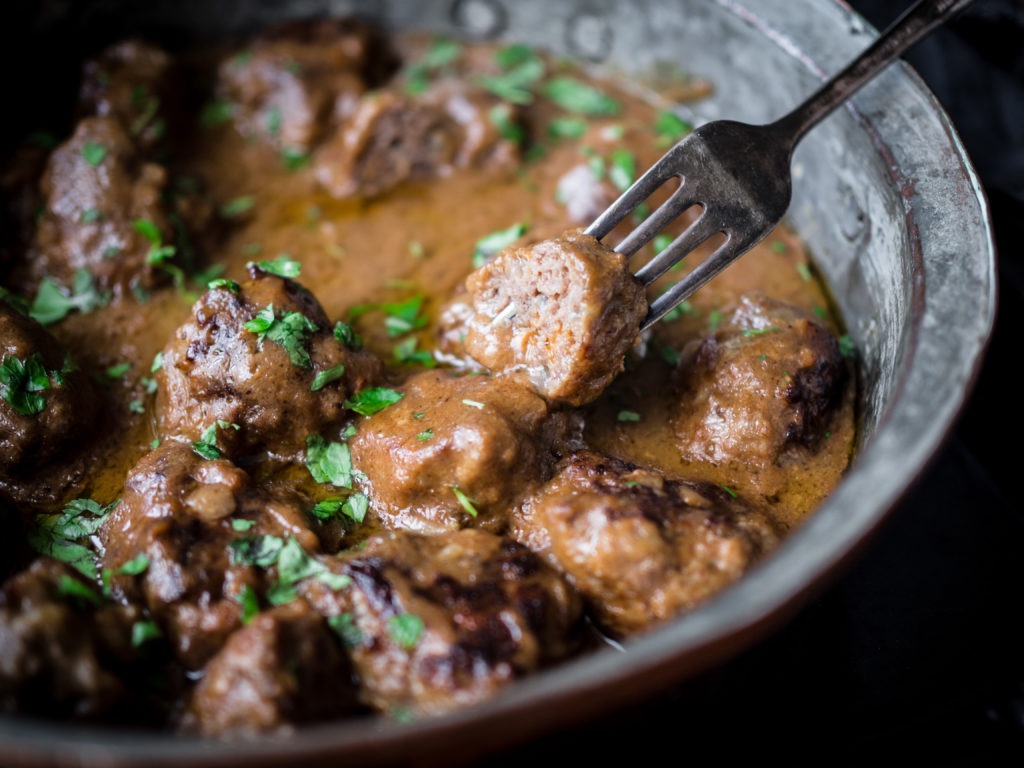
Credit: North Wild Kitchen
7. Rømmegrøt (Sour Cream Porridge)
Rømmegrøt sounds strange to uninitiated ears but is a simple porridge made from sour cream. However, this traditional dish delivers richness and comfort that transcends its simple description. Sour cream simmers with flour until thick and smooth, traditionally served topped with melted butter, cinnamon, and sugar alongside raspberry juice (saft) for drinking.
Historically served at celebrations like weddings, christenings, or harvest festivals, rømmegrøt represented luxury food requiring abundant dairy that only prosperous farms could afford. Today, it appears year-round though many still associate it with summer mountain farms (seter) where traditional dairy production continues in scenic alpine settings.
The porridge arrives in bowls with butter pooling golden in the center, cinnamon and sugar waiting to be stirred through, creating sweetness that balances the sour cream’s tang. Some serve it alongside cured meats and flatbread, transforming the dish from dessert-like sweetness to savory meal with complex flavor contrasts.
Eating rømmegrøt connects diners to Norwegian rural traditions, to that pastoral way of life that shaped national identity even as most Norwegians now live in cities. It’s food that tastes of summer pastures and mountain air, of dairy culture that remains central to Norwegian agriculture and cuisine.
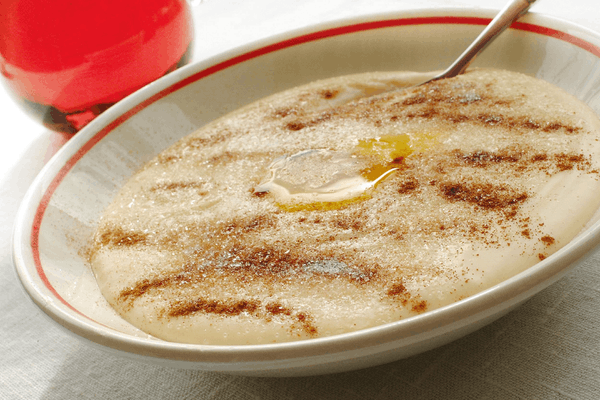
Credit: Rømmegrøt
8. Fenalår (Cured Leg of Lamb)
Fenalår carries Protected Geographical Indication status, recognizing this salted and air-dried leg of lamb as distinctly Norwegian traditional food deserving legal protection. The preparation takes months. Fresh lamb leg gets heavily salted, then hung in cool, dry conditions where mountain air slowly transforms it into something concentrated, complex, and entirely different from fresh meat.
The curing happens predominantly in western and central Norway where climate provides ideal conditions with cool temperatures, low humidity, and that particular air quality that defines proper fenalår flavor. When ready, the meat slices thin like Italian prosciutto, deep red with white fat marbling, offering intense lamb flavor balanced by salt cure.
Norwegians serve fenalår as part of koldtbord (cold table buffets), especially during the Christmas season when traditional preserved foods take pride of place. Paired with flatbread, scrambled eggs, sour cream, and rømmegrøt, it creates a meal that celebrates Norwegian preservation traditions in their full diversity.
The taste profile leans assertive. This is food for those who appreciate strong flavors and aren’t seeking subtlety. Quality fenalår should taste primarily of lamb with salt enhancement rather than salt with lamb hints, the cure bringing out natural richness rather than masking it.

Credit: SY Selkie
9. Raspeballer/Komle (Potato Dumplings)
Known by various regional names like raspeballer, komle, klubb, or kumle, these potato dumplings represent Norwegian comfort food in its most elemental form. Grated raw potatoes mix with flour and sometimes small amounts of cooked potato before being formed into large balls and boiled until they float, emerging dense, starchy, and deeply satisfying.
Regional variations abound: some versions stuff the dumplings with salted pork or lamb, others leave them plain, and cooking liquid might be plain water or rich meat stock depending on family tradition and local custom. The dumplings themselves provide a neutral base for whatever accompaniments appear like bacon, sausage, meatballs, gravy, or simply melted butter.
Eating raspeballer requires commitment. These are substantial dumplings that expand in the stomach, traditional peasant food designed to fuel hard physical labor through long days. Modern servings tend smaller than historical versions, though the dish retains that quality of being more filling than it initially appears.
Swede (rutabaga) often accompanies raspeballer, its slight bitterness and sweetness providing flavor contrast to the dumplings’ neutral starchiness. This is food that rewards slow eating, that creates warmth from within, that makes Norwegian winters feel manageable through sheer caloric density and comfort.
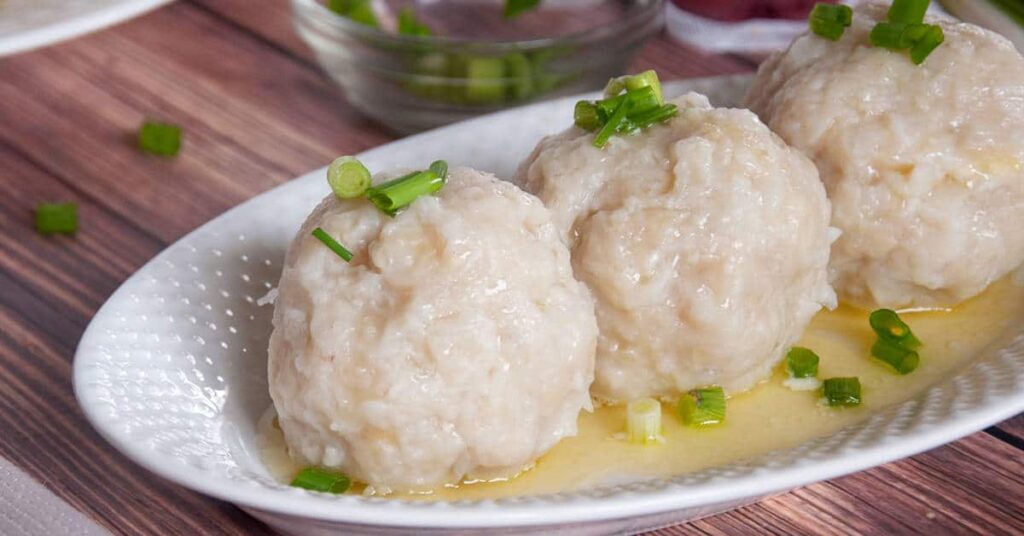
Credit: Ramshackle Pantry
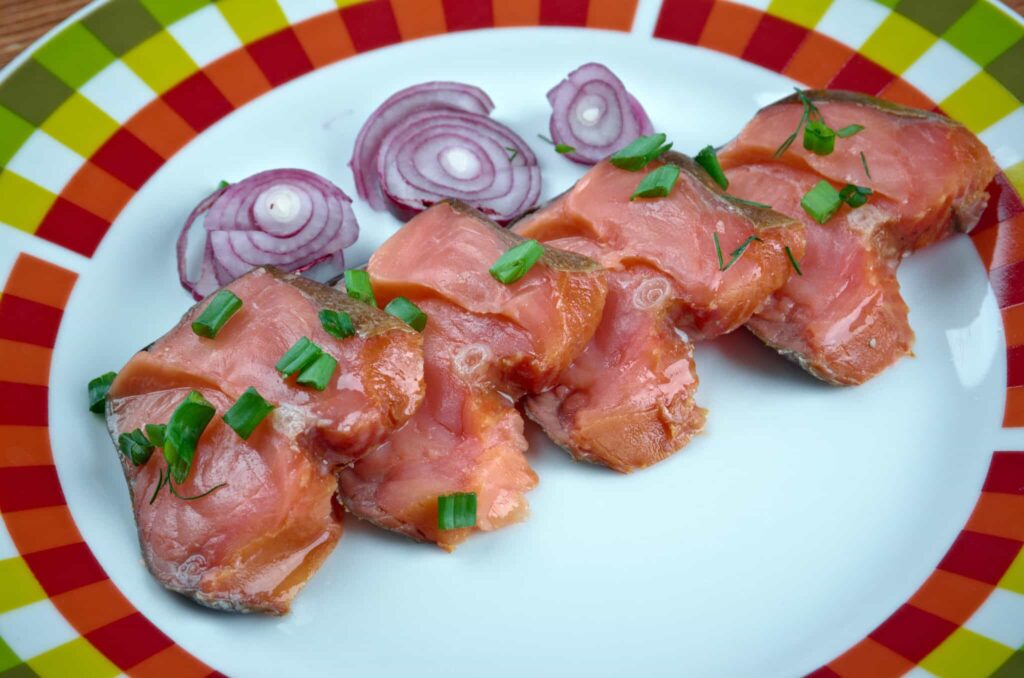
10. Rakfisk (Fermented Trout)
Rakfisk ranks among Norway’s most challenging traditional foods. This freshwater trout is salted and fermented in water for up to a year, developing a pungent aroma and complex flavor that divides even Norwegian enthusiasts. The fish emerges from fermentation translucent and tender, with taste that ranges from pleasantly funky to overwhelmingly strong depending on fermentation length and personal tolerance.
Traditionally served on flatbread with sour cream, onions, and potatoes, rakfisk appears most frequently during autumn and early winter when fermentation completes and celebrations call for special foods. The Norwegian Rakfisk Festival in Fagernes draws thousands annually to celebrate this acquired taste, where rakfisk tastings, competitions, and general revelry honor regional food traditions.
This is a delicacy, not an everyday meal but rather something reserved for occasions, often accompanied by aquavit whose alcohol and spices help navigate the fish’s intensity. For many Norwegians, rakfisk represents heritage more than regular cuisine, connected to times when fermentation meant survival rather than culinary adventure.
Trying rakfisk requires courage and an open mind. Start with younger fermentation for milder introduction, and ensure proper accompaniments to balance the fish’s assertiveness. It won’t be everyone’s favorite Norwegian dish, but the experience itself creates memories regardless of whether you finish your portion.
Credit: Remitly
11. Lapskaus (Norwegian Stew)
Lapskaus emerged as practical use for leftover meat, combining diced beef, pork, or lamb with potatoes, carrots, rutabaga, and onions into hearty stew that sustained Norwegian families through cold months. The dish shares DNA with Liverpool’s scouse and other northern European stews, all born from similar needs to stretch protein with vegetables and create filling meals from modest ingredients.
The beauty of lapskaus lies in its flexibility. No strict recipe really exists, and cooks adjust vegetables and meat based on what’s available and personal preference. Some versions lean brothy while others cook down until thick; some feature specific meat while others embrace whatever the larder offers.
Served with crusty bread for soaking up gravy and pickled beets for acid brightness, lapskaus creates weeknight dinner that feels nourishing without requiring elaborate preparation or expensive ingredients. This is food that tastes better the next day as flavors meld and develop, making it ideal for batch cooking and leftover lunches.
Lapskaus represents that strand of Norwegian cooking focused less on luxury or celebration and more on practical nourishment. It’s food that keeps families fed through winter, that makes modest ingredients satisfying, that creates comfort through simplicity rather than complexity.

Credit: Salmon and Frogs
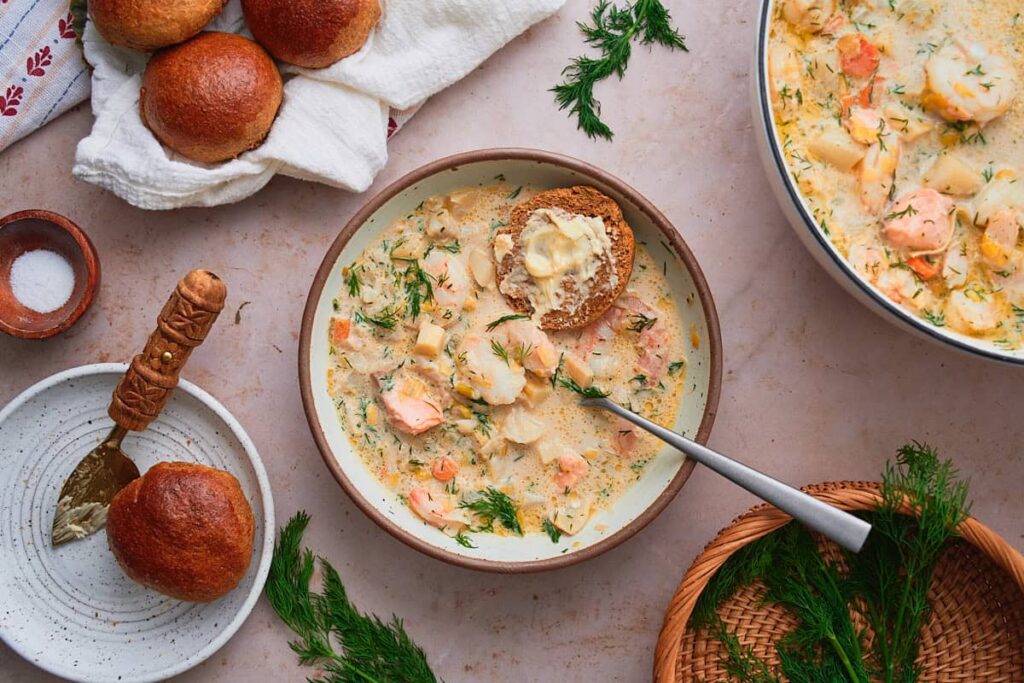
12. Fiskesuppe (Fish Soup)
Fiskesuppe appears on restaurant menus throughout Norway, each version reflecting regional fish availability and cook’s preferences but all sharing that fundamental Norwegian respect for seafood’s natural flavor. White fish like cod, haddock, or halibut simmer in cream or milk-based broth with root vegetables, creating soup that balances richness with lightness, comfort with elegance.
Coastal versions might include shellfish or salmon alongside whitefish, while inland preparations stick to what’s locally available. The soup typically finishes with fresh dill and sometimes a splash of sherry or white wine that brightens the cream without overwhelming fish flavors.
Served as starter or main course depending on portion size and occasion, fiskesuppe demonstrates how Norwegian cooking elevates simple ingredients through respect rather than complication. The fish should taste of itself, the cream should enrich without masking, and the vegetables should provide texture and sweetness that frame rather than compete.
This soup that works year-round is warming in winter, light enough for summer, and satisfying regardless of season. It captures Norwegian relationship with seafood: abundant, fresh, and treated with techniques that enhance rather than transform.
Credit: A Full Living
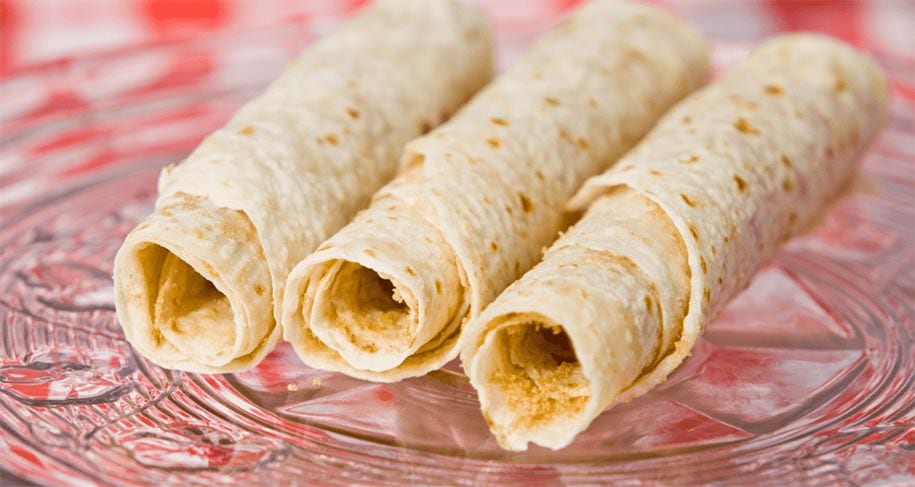
13. Lefse (Traditional Flatbread)
Lefse comes in multiple regional variations, from thin potato-based versions to thicker flour flatbreads, sweet to savory, but all share that soft, pliable texture that makes them perfect for wrapping around fillings or simply buttering and rolling. The most common variety blends potatoes, flour, butter, and milk into dough that’s rolled thin and cooked on hot griddles.
Sweet lefse can be eaten with butter, sugar and cinnamon, which creates a portable treat beloved by children and nostalgic adults. Savory applications include wrapping lefse around hot dogs (pølse med lompe) for quintessential Norwegian fast food, or using it as a vehicle for cured meats and cheese.
Making lefse traditionally requires specialized equipment such as grooved rolling pins, corrugated boards, and turning sticks, though modern cooks manage with standard kitchen tools. The process involves skill passed through generations, with grandmothers teaching grandchildren the proper techniques for rolling uniformly thin rounds and achieving those characteristic light brown spots.
Lefse appears at celebrations, particularly around Christmas, but also exists as everyday comfort food available from bakeries and supermarkets for those without time or skill to make it themselves. It represents that Norwegian tendency toward simple, filling foods that satisfy through familiar flavors and textures rather than novelty.
Credit: Farmers’ Almanac
14. Reindeer (Finnbiff)
In Norway’s Arctic regions, reindeer provides a traditional protein source tied to Sámi culture and northern landscapes. Finnbiff is a thinly sliced reindeer meat fried quickly and served in cream sauce and represents the most common restaurant preparation, though home cooks prepare it as stew (reindeer stew) for deeper, richer flavors.
Reindeer meat tastes gamey without being overwhelming, lean yet tender when properly prepared, with a subtle flavor that reflects the animals’ diet of lichen, mushrooms, and Arctic vegetation. The meat requires careful cooking to avoid toughness, making cream sauce not just flavoring but practical technique for keeping sliced meat tender.
Served with mashed potatoes, lingonberries, and sometimes brown cheese stirred into the sauce for added richness, finnbiff creates Arctic comfort food that has spread throughout Norway as a specialty dish. Many southern Norwegians associate reindeer specifically with northern travel, making it a culinary souvenir of trips to Tromsø, Lofoten, or Finnmark.
For travelers seeking authentically Norwegian Arctic food, reindeer provides connection to Sámi traditions and northern foodways that differ markedly from coastal and southern cuisines. It’s taste of the cold and wild landscape.

Credit: Travel Food Atlas
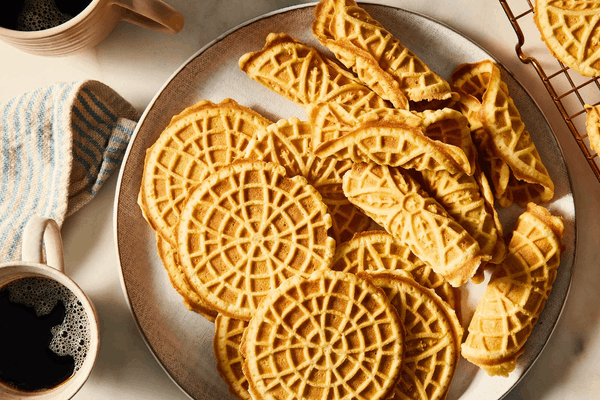
15. Krumkake and Other Norwegian Sweets
Krumkake, a delicate waffle cookie rolled into a cone while still warm, represents Norwegian dessert tradition at its finest. Made from eggs, sugar, flour, cream, and cardamom, these crispy treats require special patterned irons and quick hands to roll them before they cool and stiffen.
Norwegian sweets tend toward simplicity: waffles (vaffler) served with jam and sour cream, cinnamon rolls (skillingsboller), almond cake (kransekake formed into stacked rings for celebrations), and various cookies appearing around Christmas. Brown cheese features even in desserts, proving Norwegians’ devotion to this unique ingredient.
What Norwegian sweets lack in elaborate decoration or complex techniques, they compensate for with flavor and tradition. These are foods tied to specific occasions. For example: waffles for Sunday afternoon kos, krumkake for Christmas, or certain cookies for particular celebrations, creating a calendar marked by sweets as much as savory dishes.
The emphasis on cardamom sets Norwegian baking apart from much of Europe, this spice appearing in everything from bread to cookies to cakes, creating a distinctly Scandinavian flavor profile that feels both exotic and comforting.
Credit: Food52
Conclusion
Norwegian traditional food reveals a nation that has transformed climatic challenges into culinary strengths, where preservation techniques born from necessity have become celebrated traditions, and where simple ingredients treated with respect create dishes that nourish body and cultural memory equally. From fårikål’s autumn comfort to gravlaks’ delicate cure, from controversial lutefisk to beloved brunost, these foods tell stories of coastal abundance, mountain resilience, and that particularly Norwegian ability to find satisfaction in straightforward preparation.
Whether you seek familiar flavors or adventurous tastings, comfort meals or challenging delicacies, Norwegian food offers experiences that connect you to landscape, seasons, and traditions that have shaped how Norwegians eat, celebrate, and survive in northern latitudes. Each dish represents not just sustenance but identity. A way of being Norwegian expressed through what ends up on the plate.
If you’d like to explore Norwegian food culture alongside the country’s dramatic landscapes, historic cities, and hidden villages where traditional techniques persist, discover our private experiences in Oslo and beyond, crafted to reveal Norway with local knowledge, cultural depth, and moments that transform tourism into genuine understanding of how Norwegians live, eat, and celebrate.
FAQ
What is some traditional Norwegian food?
Traditional Norwegian food includes lutefisk (dried fish in lye), rakfisk (fermented trout), fårikål (lamb and cabbage stew), kjøttkaker (meatballs), and raspeballer (potato dumplings). Seafood like salmon, cod, and shrimp feature prominently. Popular dishes also include brown cheese (brunost), lefse flatbread, and various cured meats. Norwegian cuisine emphasizes preserved foods due to harsh winters.
What is Norway's national dish?
Fårikål is Norway’s official national dish. This hearty stew combines mutton or lamb with cabbage, black peppercorns, and water or stock, slow-cooked until tender. Traditionally served during autumn, especially around late September, fårikål represents Norwegian culinary heritage. It’s typically accompanied by boiled potatoes and is celebrated annually on Fårikål Day.
What food is most popular in Norway?
Salmon is Norway’s most popular food, both domestically and as an export. Norwegians also frequently enjoy brunost (brown cheese), grandiola (open-faced sandwiches), meatballs, tacos (surprisingly popular), pizza, and various seafood dishes. Hot dogs (pølse) from street vendors and waffles with brown cheese are beloved everyday foods throughout Norway.
What is a traditional Norwegian lunch?
Traditional Norwegian lunch typically consists of matpakke which is an open-faced sandwiches (smørbrød) with various toppings like cheese, cold cuts, pâté, or fish. Common additions include brunost (brown cheese), kaviar (cod roe spread), cucumber, and tomato. This cold lunch reflects Norway’s practical eating culture, often packed from home and eaten at work or school.