Oslo’s festival scene transforms the Norwegian capital throughout the year, weaving together diverse events such as Tons of Rock, with artists like Ozzy Osbourne, Alice in Chains, Slayer, Black Sabbath, Kiss, and Def Leppard, and intimate jazz performances spread across city venues.
The calendar moves from Constitution Day’s spectacular display of national pride, where over 100 schools march down Karl Johan gate, to summer music festivals set against forest backdrops.
Experiencing these annual events reveals Oslo at its most vibrant, culturally confident, musically diverse, and deeply committed to creating accessible experiences that welcome locals and visitors equally.
Key Takeaways
- Oslo hosts major festivals year-round, celebrating music, culture, pride, and Norwegian traditions.
- Summer (June-August) is the peak season for outdoor music festivals, which take advantage of the long daylight hours.
- Many festivals offer free or affordable ticketing alongside premium options.
- The city’s compact size allows festival-hopping between venues without extensive travel.
- Norwegian Constitution Day (17 May) represents the year’s most significant cultural celebration.
1. Norwegian Constitution Day (17 May)
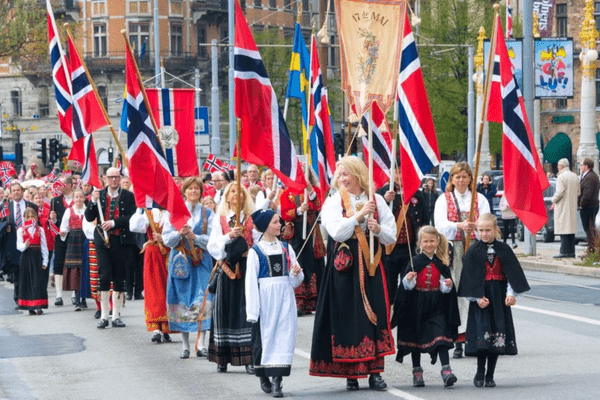
Experience the heart of Norwegian culture with a spectacular display of national pride, starting early with a breakfast celebration featuring champagne and pies adorned with fresh strawberries, blueberries, and cream, and featuring over 100 schools participating in a joyful march down Karl Johan gate, culminating in front of the Royal Palace.
Annual parades through the streets of Oslo, along with concerts and special events throughout the city streets, see prime spots to watch the parade along Karl Johans gate fill up early. This isn’t a military parade but a children’s celebration. Thousands of schoolchildren waving Norwegian flags, marching bands, and families creating an atmosphere of pure joy rather than nationalist aggression.
The day embodies Norwegian values: egalitarian, family-focused, and unapologetically proud of its democratic achievements, without the militaristic overtones that define many national days elsewhere.
Credit: Web-Holidays.com
2. Oslo Pride (19-27 June 2026)
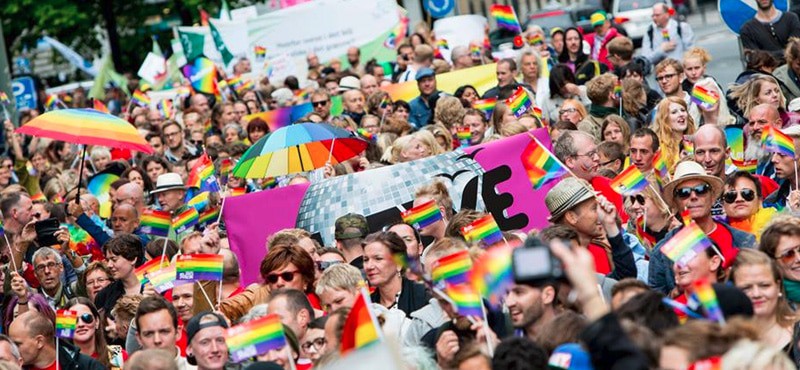
The biggest LGBT+ pride event in Norway, Oslo Pride, features a parade, concerts, shows, parties, debates, workshops, and lectures in the middle of June, with the main venue Pride Park, where live music and festival stalls can be found, though the street parade is an undoubted highlight of the festival.
Norway’s largest LGBTI+ celebration returns, offering concerts, art installations, community gatherings, and the iconic Pride parade through the city centre. It’s an open, welcoming event and a fantastic prospect to connect with others. The nine-day festival transforms Oslo into a rainbow-draped celebration of diversity, with a closing parade drawing over 50,000 participants marching through city streets while hundreds of thousands cheer from sidewalks.
Oslo Pride represents Norway’s progressive values, made visible as a nation that leads globally on LGBTQ+ rights, celebrating rather than merely tolerating diversity through weeklong programming that balances political activism with pure, joyful celebration.
Credit: Gay Travel
3. Tons of Rock (24-27 June 2026)
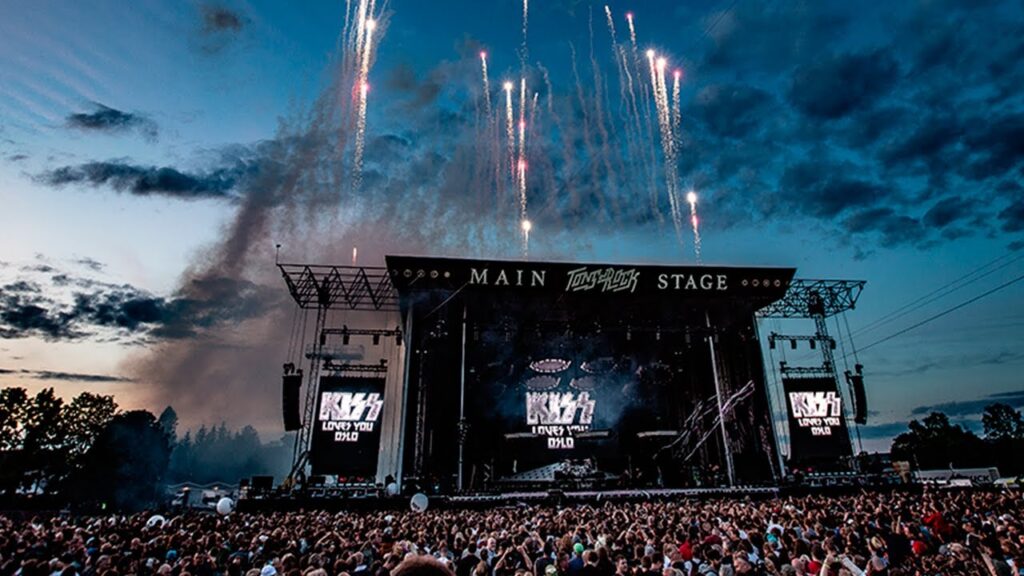
Tons of Rock quickly established itself as Norway’s prime destination for rock and metal fans. Relocating from Fredriksten Fortress to Ekebergsletta provided more space, attracting renowned performers such as Ozzy Osbourne, Alice in Chains, Slayer, Black Sabbath, Kiss, Def Leppard, and Mayhem.
For rock & metal lovers: a major outdoor festival with strong line-ups and that unmistakable festival-feeling providing a perfect summer start, with the 2026 lineup including Iron Maiden, The Offspring, and Limp Bizkit.
The four-day festival has grown from 22,000 attendees in its first year in Oslo to selling out a 60,000-capacity venue, proving Norwegian appetite for heavy music extends far beyond black metal stereotypes.
Ekebergsletta’s hillside location creates a natural amphitheatre with an Oslo Fjord backdrop, transforming the rock festival into a scenic experience where headbanging and harbour views coexist surprisingly well.
Credit: Tons of Rock, Visit Oslo
4. Øya Festival (12-15 August 2026)
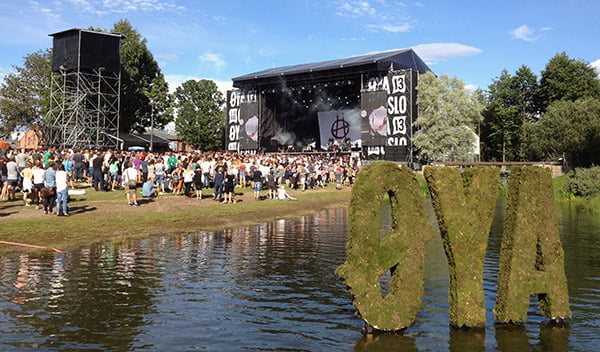
Four days of music across genres, including indie, rock, and pop, with a lineup including Dagny, The Cure, and Nick Cave and the Bad Seeds, known for its vibe, variety, and energy, with tickets getting sold out quickly and good prices if bought in advance.
Held in Tøyenparken (a central Oslo park transformed into a temporary festival city), Øya balances major international acts with emerging Nordic talent across multiple stages, featuring everything from electronic beats to acoustic folk. The festival pioneered environmental consciousness in the Norwegian festival scene, becoming completely carbon-neutral through renewable energy, waste reduction, and that particularly Scandinavian ability to party hard while respecting nature.
Øya’s urban setting means festival-goers sleep in proper beds rather than muddy tents, shower in actual bathrooms, and enjoy Oslo’s restaurants and bars between sets. It’s a civilised festival experience that doesn’t sacrifice musical credibility or atmosphere.
Credit: Life in Norway
5. Over Oslo (17-20 June 2026)
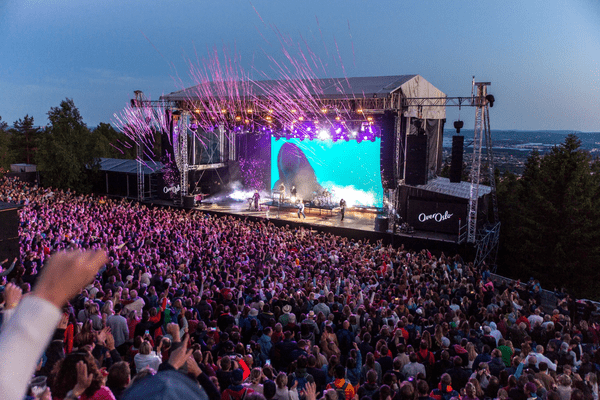
Grefsenkollen is the venue for one of the biggest music festivals in Eastern Norway, with Over Oslo hosting three stages idyllically located in the forest with spectacular views of Oslo, featuring the 2026 line-up including Sigrid, Franz Ferdinand, Susanne Sundfør, Alan Parsons Live Project, Faithless, Astrid S, and Ka2.
The festival brings a desire to create an event that returns to the festival’s roots: a unique experience in a fantastic setting, held in Sofienbergparken in Oslo, with both day and weekend passes available, featuring Kings of Convenience and David Byrne.
The forest location creates a magical atmosphere where sunlight filters through trees onto stages, where Oslo skyline views reward those who climb the hillside between sets, and where nature provides a beautiful counterpoint to amplified music filling the valleys. Unlike massive commercial festivals, Over Oslo maintains an intimate scale where discovering new artists feels as rewarding as catching headliners.
Credit: Grefsenkollen
6. Inferno Metal Festival (2-5 April 2026)
Dimmu Borgir, Opeth and Ragnarok are among the names that have headlined this festival over the years, with four-day festival drawing metal lovers from all over the world to Oslo’s Rockefeller and John Dee, and new daytime venues such as Goldie, featuring 2026 line-up including Cult of Luna, Deicide, and Enslaved, with four-day passes available for the festival although you can also buy entrance to individual venues.
As one of Europe’s premier extreme metal festivals, Inferno showcases Norwegian black metal heritage alongside death metal, doom, and progressive metal from across the globe. The festival’s timing in early April, when Norwegian winter still grips the country, creates an atmospheric darkness perfectly suited to black metal’s aesthetic, while multiple indoor venues allow metal pilgrims to escape between bands and into Oslo’s surprisingly good bar scene.
Inferno represents Norwegian metal culture at its most welcoming. Intense music performed for passionate fans who travelled continents to witness it, yet the atmosphere remains friendly and beautifully edgy.
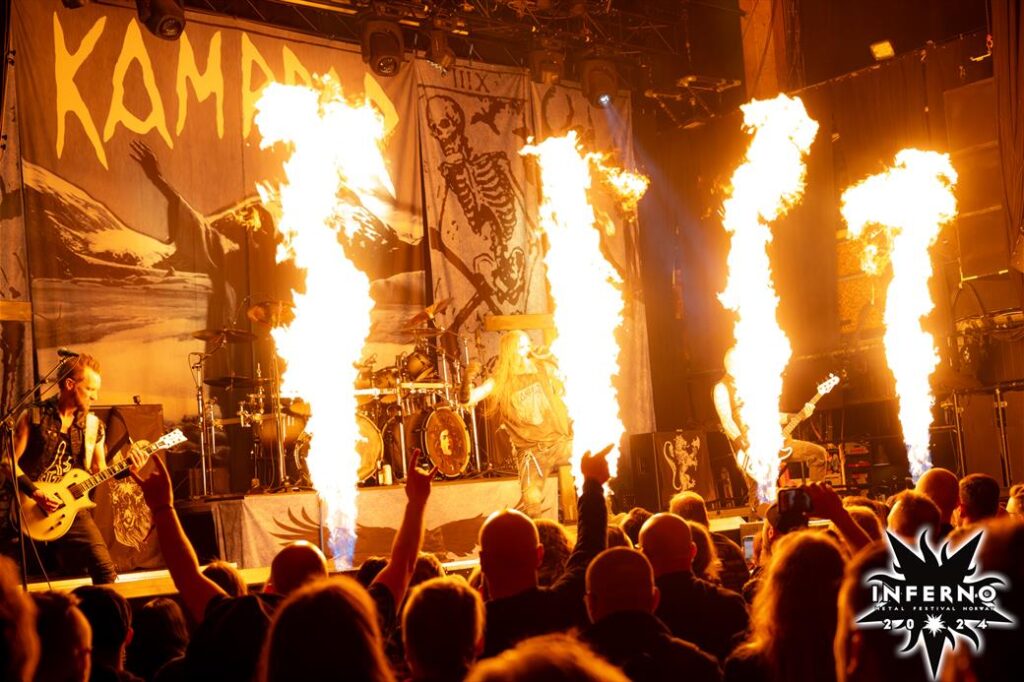
Credit: Inferno Metal Festival
7. Oslo Jazz Festival (August 2026)
The oldest music festival celebrates 40 years with concerts across venues citywide, making it great for jazz lovers and a chilled, cultural alternative to big festivals.
Since 1986, Oslo Jazz has transformed the capital into a week-long celebration of improvisation, bringing together legendary international artists and Norway’s thriving jazz scene for intimate club performances and grand concert hall shows. The festival sprawls across multiple venues. From elegant Oslo Opera House to gritty basement clubs, it creates a jazz pilgrimage where a single night might involve three different shows in three distinct atmospheres.
Norwegian jazz’s global reputation, including Jan Garbarek, Nils Petter Molvær, or Bugge Wesseltoft, means local artists share stages with international legends, creating cultural exchange where Nordic cool meets American tradition and everything in between.
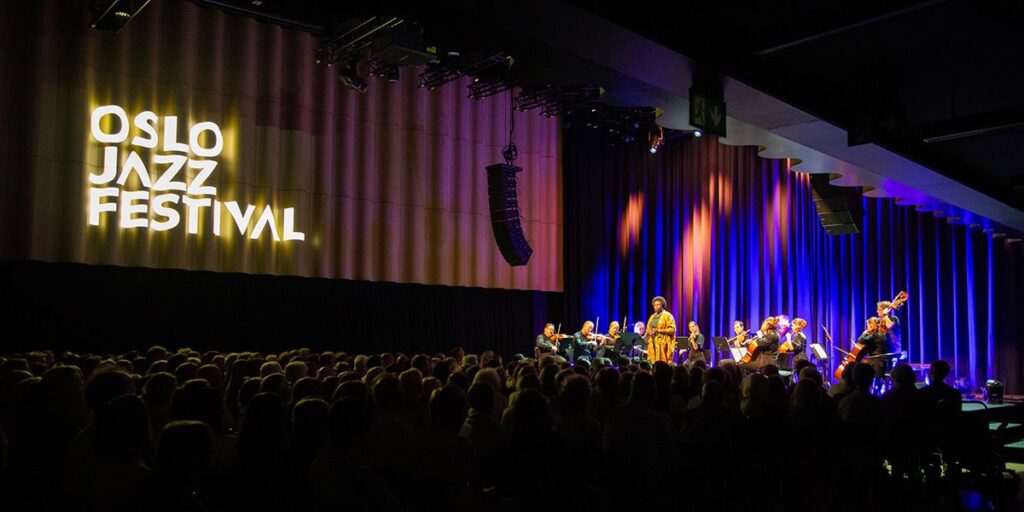
Credit: Oslo Jazzfestival
8. Miniøya (6-7 June 2026)
The annual Miniøya festival for children and youth held in Tøyen Park features music as the main element alongside art, dance, and theatre, with the main target group ages 4-12, though this is a family event and everyone is welcome.
This children’s festival takes music seriously, not dumbed-down kids’ songs but actual musicians performing for young audiences who deserve quality equal to adult programming. The free festival democratizes culture, ensuring families, regardless of economic circumstances, can introduce children to live performance, outdoor festivals, and artistic expression.
Miniøya reflects Norwegian values around childhood. Kids deserve their own cultural events, art matters at all ages, and accessibility ensures class doesn’t determine cultural participation.
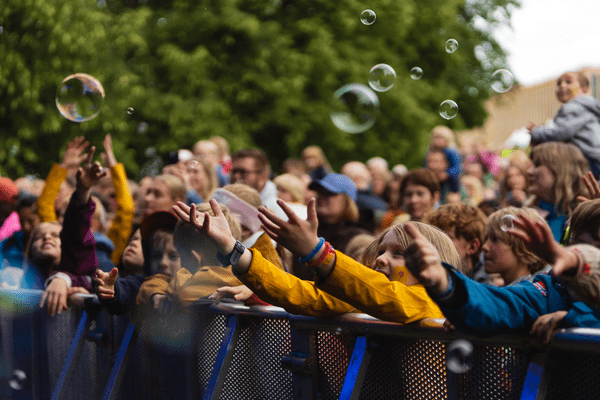
Credit: Miniøya
9. Oslo World Music Festival (October/November 2026)
Oslo World brings global sounds to the Norwegian capital through week-long programming featuring artists from across continents performing music rooted in traditional cultures yet pushing boundaries through contemporary interpretations and cross-cultural collaborations.
The festival occupies multiple venues, from intimate club settings perfect for discovering new artists to concert halls where established acts demonstrate why world music deserves equal billing with Western popular genres.
Oslo World represents Norway’s internationalist values, such as curiosity about other cultures, commitment to refugee artists, and belief that music transcends language barriers when performed with authenticity and skill.
The autumn timing creates a cosy atmosphere where audiences gather indoors, escaping the dark Norwegian evenings through sounds that transport them to warmer, more rhythmically complex places.
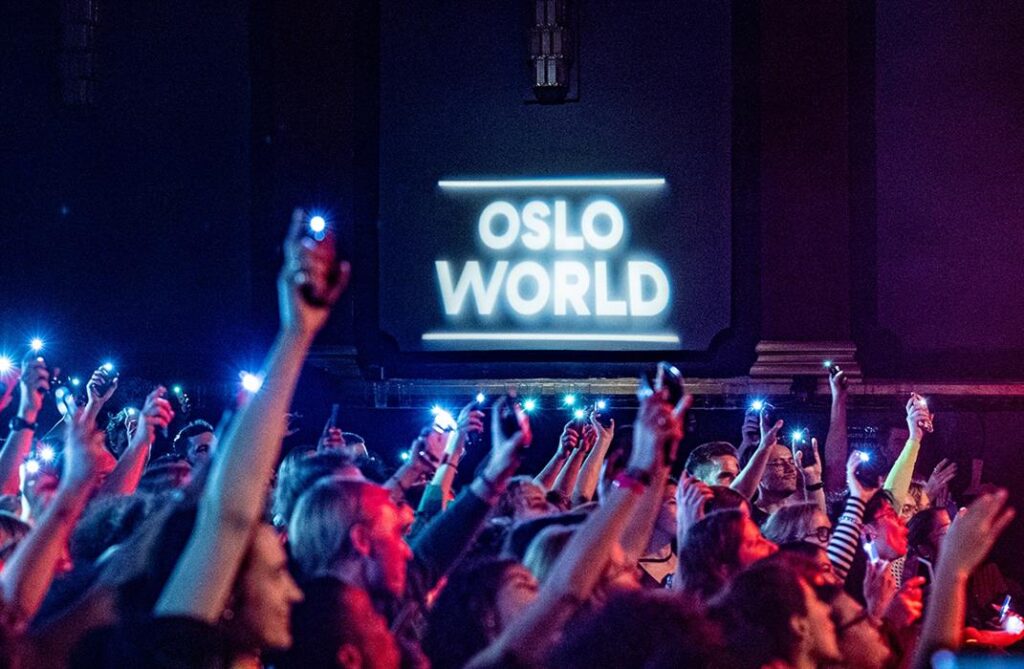
Credit: Oslo World
10. Holmenkollen Ski Festival
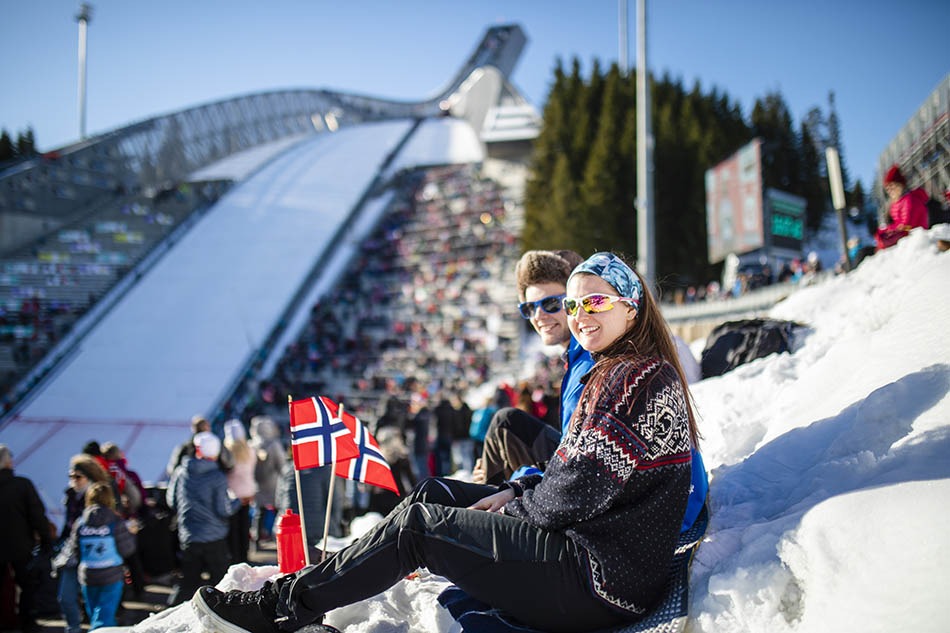
This year’s Holmenkollen Ski Festival incorporates FIS World Cup events in Nordic skiing (cross-country skiing, ski jumping, and Nordic combined) on 14-15 March and biathlon on 19-22 March. One of the world’s oldest ski competitions, dating to 1892, Holmenkollen transforms Oslo’s famous ski jump into an arena where 50,000 spectators gather to watch athletes launch themselves off a structure visible across the entire capital.
For Norwegians, skiing isn’t merely a sport but a cultural identity. Children learn to ski before they read, and World Cup events at Holmenkollen feel like national celebrations rather than merely athletic competitions.
The festival atmosphere combines serious sporting excellence with Norwegian outdoor culture, where families picnic in the snow, cross-country ski to the venue, and treat winter-sports viewing as an essential seasonal ritual that connects them to landscapes that define the national character.
Credit: Scan Magazine
11. Christmas Markets (December 2026)
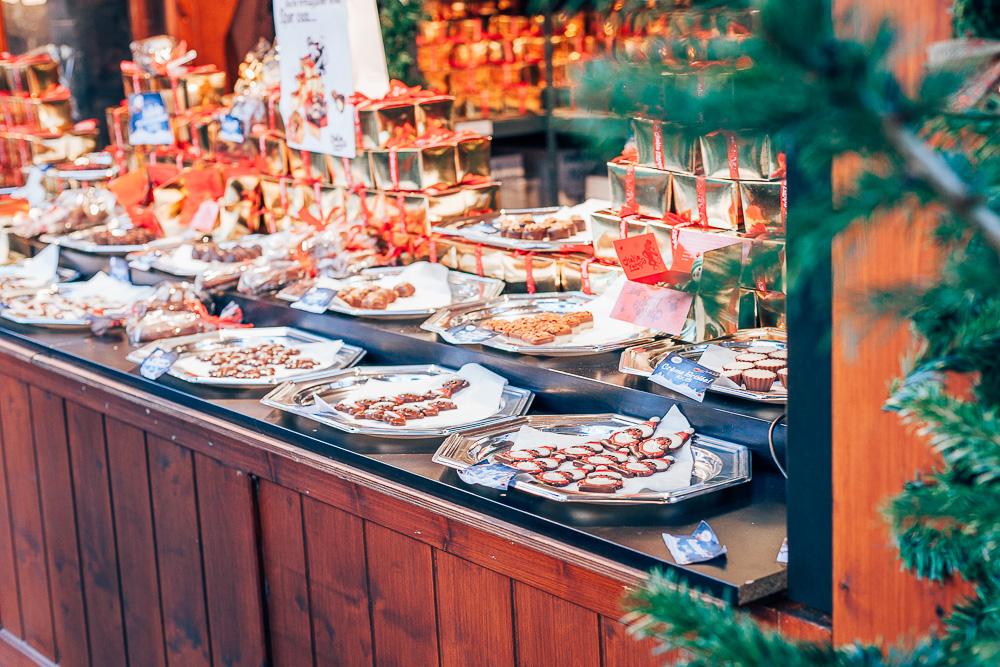
As days grow shorter, Oslo transforms into a winter wonderland with charming Christmas markets where you discover unique crafts, indulge in festive treats, and enjoy the magical atmosphere created by twinkling lights.
The markets scattered across Oslo – from Spikersuppa in the city centre to Norsk Folkemuseum’s traditional Christmas market – sell Norwegian handicrafts, smoked meats, wool sweaters, and gløgg (mulled wine) that warms frozen fingers while browsing wooden stalls.
Oslo’s Christmas markets balance commercialism with genuine tradition, where many vendors sell items they made themselves, where Norwegian Christmas foods are served authentically rather than as generic market fare, and where dark December afternoons glow with candlelight, creating a hygge that Scandinavians perfect better than anyone else. The markets represent Norwegian Christmas stripped to essentials: light amid darkness, warmth amid cold, community amid isolation, and values that sustained Nordic peoples through countless harsh winters.
Credit: Heart My Backpack
Conclusion
Oslo’s festivals reveal a capital that celebrates year-round, from Constitution Day’s pure Norwegian joy to Pride’s rainbow inclusivity, from Tons of Rock’s headbanging intensity to Oslo Jazz’s sophisticated cool, from children’s Miniøya to world music explorations. These events transform Oslo beyond its reputation as an expensive, quiet Nordic city into a vibrant cultural destination where music, tradition, and community converge into experiences that reward planning trips around festival dates rather than merely stumbling upon them.
Whether you seek outdoor summer festivals bathed in midnight sun, cosy winter gatherings that escape polar darkness, or spring/autumn events that balance weather and crowd sizes, Oslo delivers festival experiences that reflect Norwegian values: accessible, environmentally conscious, musically diverse, and welcoming to all. The compact capital’s excellent public transport means festival-hopping between venues requires minutes, not hours, while Norwegian efficiency ensures everything runs on time despite relaxed Nordic attitudes suggesting otherwise.
If you’d like to experience Oslo’s festivals with guidance connecting music to cultural context, understanding Norwegian identity through celebration, accessing insider tips for navigating crowds, and discovering Oslo beyond festival grounds, consider our private Oslo experiences crafted to reveal the Norwegian capital through festivals and daily life equally, creating comprehensive understanding of how Norwegians celebrate, create, and come together throughout the year.
FAQ
What is the biggest festival in Oslo?
One of the biggest festivals in Oslo is Øya Festival, a major summer music event held annually in August. It features international and Norwegian artists across multiple stages and attracts thousands of visitors, making it one of Norway’s most important music festivals.
What is the most popular festival in Norway?
The most popular festival in Norway is often considered to be Øya Festival, along with the Bergen International Festival. These events celebrate music, arts, and culture, drawing large crowds of locals and international visitors every year.
Is Oslo good for partying?
Yes, Oslo has a lively nightlife scene with bars, clubs, and live music venues. Popular areas like Grünerløkka and the city centre offer trendy cocktail bars, DJ clubs, and late-night venues. While nightlife can be expensive, the atmosphere is vibrant and social.
What’s popular in Oslo?
Popular things to do in Oslo include visiting museums, exploring the Oslofjord, enjoying Nordic cuisine, and participating in outdoor activities like hiking and saunas. Cultural attractions, modern architecture, and a strong café culture also make the city appealing to visitors.