Scandinavia reveals different characters across its four distinct seasons: summer’s midnight sun bathing landscapes in endless golden light, winter’s aurora borealis dancing across dark skies, autumn’s forests blazing orange and red, and spring’s tentative awakening as snow melts into wildflower meadows. There’s no single “best time” to visit these Nordic lands, only the season that aligns with what you seek, whether northern lights or outdoor adventures, cultural festivals or peaceful solitude, dramatic nature or urban sophistication.
Understanding Scandinavia’s seasonal extremes proves essential for planning. At these northern latitudes, June brings near-constant daylight while December offers just a few hours of dim winter sun. Temperature swings between cosy summer warmth and Arctic winter cold shape not just what you pack but what activities become possible, which attractions remain open, and how the region’s character transforms completely across the calendar year.
Key Takeaways
- Summer (June-August) offers the warmest weather, the longest days, and the peak tourist season, when all attractions are open.
- Winter (December-February) provides Northern Lights viewing, winter sports, and a festive atmosphere despite short days.
- Shoulder seasons (May, September) offer pleasant weather, fewer crowds, and lower accommodation costs.
- Spring (April-May) brings blooming nature and longer daylight without the summer tourist intensity.
- Autumn (September-October) brings fall colours, the resumption of aurora viewing, and peaceful exploration.
Summer: Midnight Sun and Peak Season (June-August)
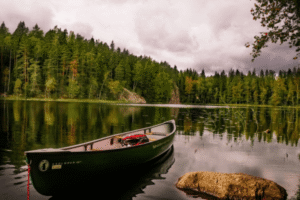
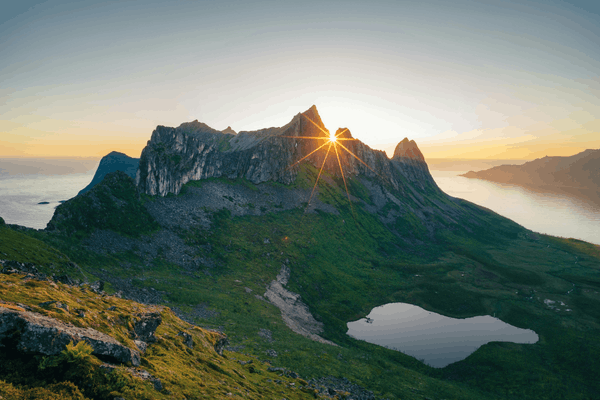
Summer represents Scandinavia’s high season for excellent reasons. Temperatures are pleasant with averages around 52°F (11°C) in May, 64°F (17.5°C) in July, and 54°F (12°C) in September, while daylight extends so dramatically that in Oslo on June 21 the sun comes up around 4:00 and sets around 23:00. North of the Arctic Circle, the midnight sun means 24-hour daylight, creating surreal landscapes bathed in perpetual golden glow perfect for hiking, kayaking, and outdoor adventures that continue late into evening without darkness interfering.
This seasonal magic comes with tradeoffs. Things don’t kick into gear until about June 20, when Scandinavian schools let out, with crowds in July and August, though “crowds” in Scandinavia rarely reach Mediterranean proportions. Accommodation prices peak, popular attractions require advance booking, and locals decamp to summer cabins, making cities feel slightly less authentic. However, all museums, restaurants, and services operate fully, outdoor festivals abound, and nature reaches peak accessibility when the mountains are clear of snow and the coastal waters are warm enough for swimming, if you dare.
Credit: Daniel Seßler
Winter: Northern Lights and Snow Magic (December-February)
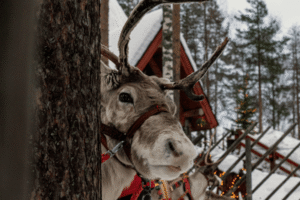
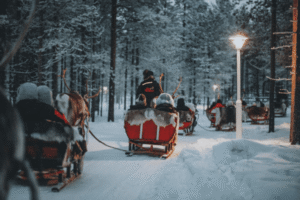
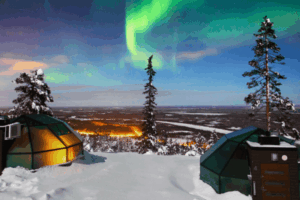
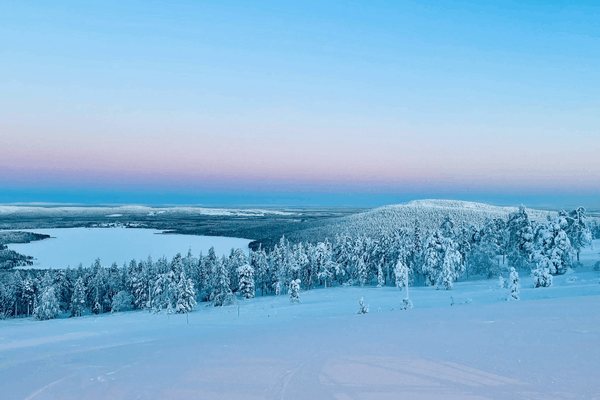
Winter transforms Scandinavia into a realm of extremes, where dark skies and northern lights viewing between October and March create magic that is impossible during the bright summer months. The aurora borealis dances most reliably across Arctic skies, particularly in northern Norway, Swedish and Finnish Lapland, where clear, cold nights and minimal light pollution create optimal viewing conditions. Snow blankets landscapes in pristine white, enabling husky sledging, cross-country skiing, ice hotels, and winter activities that define Nordic identity.
The challenges prove significant for unprepared visitors. Daylight shrinks dramatically in some northern locations, where polar night occurs when the sun never rises above the horizon for weeks. Temperatures can get down as low as -20℃ (-4℉) in Arctic regions, requiring serious winter gear and mental preparation for cold that feels foreign to those from milder climates. Many rural attractions close, transport becomes weather-dependent, and darkness dominates daily rhythms. However, this creates intimacy with cosy cafés, sauna culture, Christmas markets glowing against dark afternoons, and opportunities to experience an authentic Nordic winter rather than merely a tourist-friendly summer version.
Credit: Harri P
Spring: Awakening and Renewal (April-May)
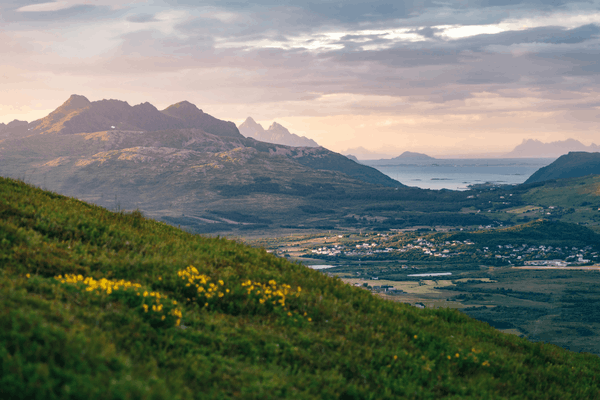
Spring arrives tentatively across Scandinavia, with snow melting and early signs of spring appearing as days stretch noticeably longer each week. May brings blooming flowers and Summer with long, sunny days, creating a sweet spot where nature awakens, but summer crowds haven’t arrived yet. Parks turn green, outdoor cafés reopen, and locals emerge from winter hibernation with palpable relief that darkness has passed.
By May, Nordic capitals are fully awake with parks turning green, outdoor cafés returning, and long daylight hours making city exploration relaxed and enjoyable. Temperatures remain cool but manageable, occasional rain showers freshen rather than dampen spirits, and accommodation costs stay reasonable before the summer spike. Wildlife becomes more active, migratory birds return, and hiking trails open as mountain snow melts. This suits travellers preferring cultural exploration, city breaks, and gentle nature walks over extreme outdoor adventures or guaranteed sunshine.
Credit: Daniel Seßler
Autumn: Fall Colours and Aurora Return (September-October)
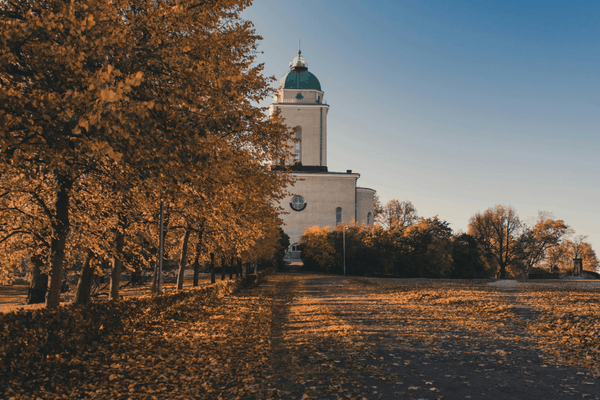
Autumn’s orange hues undoubtedly provide a wonderful setting for any holiday, with lower tourist numbers, summer activities, and Northern Lights viewing starting in September. The phenomenon known as “ruska” in Finnish transforms Lapland’s forests into a kaleidoscope of reds, oranges, and yellows against an evergreen backdrop, creating landscapes that photographers dream about. The September equinox brings some of the best solar activity to this area, allowing lucky visitors to witness aurora reflections in lakes and rivers before they freeze.
September brings subtle but beautiful change with forests beginning to colour, nights growing darker, and the first Northern Lights returning in northern areas. Daylight remains generous, though evenings feel distinctly autumnal, creating an atmospheric balance between summer’s brightness and winter’s darkness. Many summer attractions remain open through September before closing for winter, while prices drop as peak season ends. The weather proves unpredictable, with warm Indian summer days alternating with cold rain that previews winter, but this is a favourite month for photographers and travellers who enjoy contrast.
Credit: Mary Ray
Shoulder Season Strategy: May and September
Shoulder-season travel in May, early June, and September lacks the vitality of summer but offers occasional good weather and minimal crowds. These transitional months deliver Scandinavia’s best value proposition. Accommodation costs 30-50% below peak summer rates, popular attractions require less advance planning, and locals outnumber tourists, creating more authentic cultural experiences. The weather remains pleasant enough for outdoor activities while avoiding summer’s heat and winter’s bitter cold.
The limitations vary by destination and specific timing. In Norway, especially in fjord and mountain towns, quite a few sights, restaurants, and services close outside of the summer school break. Rural areas particularly reduce operations, though cities maintain year-round vitality. Weather unpredictability increases, so pack layers and waterproofs, but the trade-off between occasional rain and peaceful exploration appeals to travellers prioritising experience quality over guaranteed sunshine. May leans optimistic as nature awakens, September more melancholic as it retreats, offering different emotional tones to the same practical advantages.
Regional Variations: Not One Scandinavia
Understanding that “Scandinavia” encompasses vastly different climates proves crucial for planning. Coastal temperatures are considerably warmer in Scandinavia than at the same latitudes elsewhere in the world, thanks to the Gulf Stream, meaning Bergen or Copenhagen feels milder than its northern position suggests. However, moving inland or north from the coast leads to dramatic temperature drops and increased snowfall.
Denmark experiences the mildest Scandinavian weather year-round, with winter rarely bringing extreme cold and summer staying comfortably warm rather than hot. Norway’s western fjord coast receives substantial rainfall but maintains relatively moderate temperatures, while inland mountains and northern regions face Arctic conditions. Sweden spans from a southern farmland climate similar to Denmark through central forests to Arctic Lapland. Finland’s continental position means colder winters and warmer summers than coastal Norway or Denmark. These variations mean that optimal timing differs whether you’re exploring Copenhagen’s design scene or chasing the Northern Lights in Tromsø.
Practical Seasonal Considerations
Consider the amount of daylight you can expect. Seeing northern lights might be the purpose of your visit in winter, but in some places, you might pay for the privilege by only having a few hours of daylight a day. Conversely, a visit in June or July guarantees plenty of midnight sun, which can play tricks on your body’s natural rhythms. Check specific sunrise/sunset times for your destinations and dates before finalising plans.
Pack strategically for Scandinavia’s unpredictable weather. Even summer requires layers as mornings and evenings cool significantly, and weather shifts rapidly, particularly in Norway’s fjord regions. A waterproof jacket proves essential year-round, while winter demands serious cold-weather gear if venturing beyond heated indoor spaces. The Scandinavian approach to weather: “no bad weather, only bad clothing”, reflects cultural acceptance that comfort comes through preparation rather than avoiding outdoor activities when conditions aren’t perfect.
Cultural Events and Seasonal Traditions
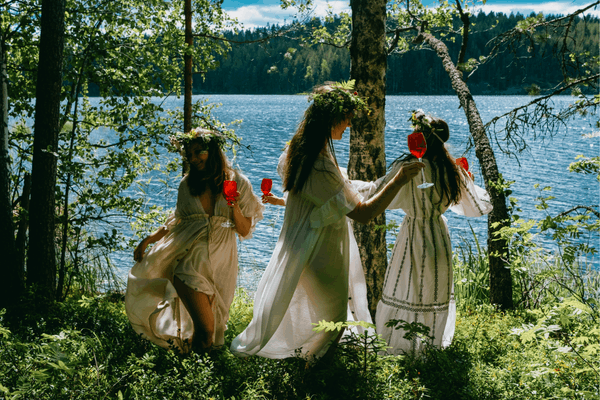
Scandinavia’s festival calendar shapes optimal visit timing beyond weather considerations alone. Midsummer celebrations around June 21, particularly Sweden’s Midsommar with flower crowns, dancing around maypoles, and traditional foods, represent a quintessential Nordic cultural experience. Christmas markets transform December cities into festive wonderlands despite limited daylight, while December’s Lucia celebrations on the 13th honour light amid darkness through candlelit processions.
Summer music festivals proliferate across all Nordic countries during June-August when outdoor venues become feasible. Fall brings cultural seasons reopening: opera, ballet, theatre, and concerts resume after summer breaks. Winter offers unique experiences such as ice swimming, Christmas traditions, and New Year celebrations that embrace darkness rather than merely endure it. Aligning visits with specific cultural events or seasonal traditions can elevate trips from merely sightseeing into genuine cultural participation.
Credit: Miikka Luotio
Conclusion
Choosing when to visit Scandinavia ultimately depends on prioritising what matters most: summer’s accessibility and endless daylight versus winter’s northern lights and snow activities; the shoulder season’s value and authenticity versus the peak season’s guaranteed operations and optimal weather. Each season delivers a distinct Scandinavia that’s impossible to experience at other times, making the “best time” entirely personal, based on interests, tolerance for cold or crowds, and which Nordic experiences you seek most.
The reward for thoughtful seasonal planning? Scandinavia that matches your expectations rather than disappoints through poor timing. Whether you’re hiking under the midnight sun, watching the aurora from a glass igloo, photographing autumn forests, or exploring spring-awakened cities, visiting during the season that aligns with your goals transforms a good Scandinavian trip into an unforgettable Nordic adventure that captures exactly what drew you north in the first place.
If you’d like to explore Scandinavia with guidance that optimizes seasonal opportunities, understanding when northern lights peak, which hiking trails open when, and how to experience authentic Nordic culture across the calendar, consider our private Scandinavian experiences crafted to reveal Denmark, Norway, and Sweden with seasonal insight, local knowledge, and moments perfectly timed to what makes each Nordic month special.
FAQ
What is the best month to go to Scandinavia?
The best time to visit Scandinavia is usually June to August, when the weather is warm, days are long, and many outdoor attractions are open. July is especially popular because of the Midnight Sun in northern areas, making it ideal for sightseeing, hiking, and exploring nature.
Which is prettier, Norway or Sweden?
Both countries are beautiful, but many travellers consider Norway prettier due to its dramatic fjords, mountains, and coastal scenery. Sweden offers beautiful forests, lakes, and charming cities. Norway is often chosen for natural landscapes, while Sweden is known for culture and design.
Which Scandinavian country is the best to visit in April?
In April, Denmark and southern Sweden are often the best choices because spring arrives earlier and cities become lively again. Norway can still have winter conditions in many areas, though it’s good for late-season skiing and fewer tourist crowds.
What is the cheapest month to go to Norway?
The cheapest months to visit Norway are usually November through March, excluding the Christmas and New Year period. Flights and accommodation tend to be cheaper because it is the low season for tourism, though winter travel is still popular for Northern Lights and snow activities.