There are places in the world that exist in the imagination long before you ever arrive. Lapland is one of them. Snow-covered forests stretching to the horizon. A sky that catches fire in green and violet after dark. Reindeer moving slowly through a silence so complete it feels like something you could hold in your hands.
Lapland in Finland is the northernmost region of the country, and of the entire European Union. It stretches above the Arctic Circle into landscapes of fell, forest, and frozen lake, which change character with every season. It is a place where darkness becomes magical rather than oppressive, where light can last for months, and where the oldest living culture in Europe continues to shape the way people understand the land.
This guide covers the essential experiences, destinations, and rhythms of Finnish Lapland. It’s written for those who want to arrive with curiosity and leave with something they cannot quite put into words.
Key Takeaways
- Lapland in Finland covers the country’s northernmost region, crossing the Arctic Circle and extending to some of the most remote landscapes in Europe.
- The Northern Lights are visible from late August to early April, with February and March offering the most reliable conditions.
- Rovaniemi is the capital of Finnish Lapland and the most accessible gateway, known worldwide as the official home of Santa Claus.
- Lapland is home to the Sámi, who are the only indigenous people in the European Union. Their culture, language, and traditions are most fully experienced in and around Inari.
- The region rewards visitors in every season: winter for snow activities and aurora hunting, summer for the Midnight Sun and hiking, autumn for the extraordinary colour of the fell landscape.
What Makes Lapland in Finland So Extraordinary
Finnish Lapland is not simply a winter destination. Though the winter is what most people come for first. It is a region of eight distinct seasons, according to locals, each carrying its own quality of light, its own particular silence, and its own invitation to slow down.
In winter, temperatures drop to -20°C and below, the landscape becomes a world of soft white, and the sky performs its greatest spectacle. In summer, the sun refuses to set for weeks, the fell tops bloom in colour, and lakes of extraordinary clarity open for swimming, kayaking, and fishing. Between these extremes – in the amber and scarlet of autumn, or in the tentative greens of spring – Lapland offers something rarer still: the feeling of being in a place where nature still sets the terms.
Where to Go in Finnish Lapland
Rovaniemi
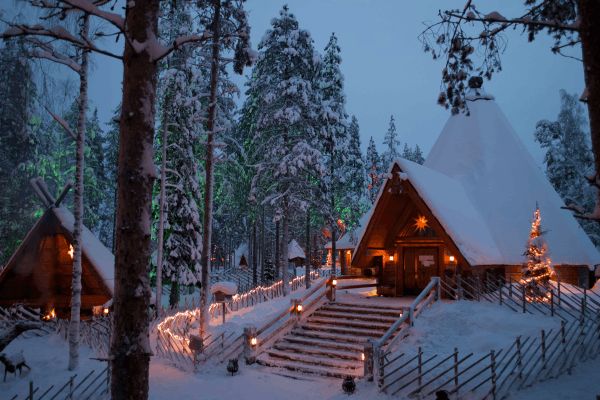
The capital of Finnish Lapland sits precisely on the Arctic Circle and serves as the natural gateway to the region. Rebuilt almost entirely after the Second World War, and redesigned by Alvar Aalto in the shape of a reindeer’s head when viewed from above. Rovaniemi is a modern, welcoming city with a strong sense of its own identity.
It is best known internationally as the official home of Santa Claus, whose village sits on the Arctic Circle line just outside the city. But beyond the Christmas magic, Rovaniemi offers the Arktikum museum and science centre, which is one of the finest Arctic institutions in the world, along with excellent restaurants, husky parks, reindeer farms, and some of the most reliable Northern Lights viewing in the region. It is an ideal base for exploring the wider reaches of Finnish Lapland, and a destination worth at least two or three nights in its own right.
Credit: Roman Protsyshyn
Levi
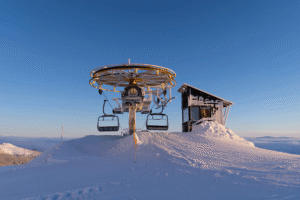
Finland’s most popular ski resort, Levi, sits in the Kittilä region of western Lapland and draws visitors from across Europe for its well-maintained slopes, extensive cross-country trail network, and après-ski culture that somehow manages to feel convivial rather than overwhelming.
Beyond skiing, Levi is also one of the best places in Lapland to see the Northern Lights. The fell landscape above the treeline offers wide, unobstructed skies, and the resort’s infrastructure – including glass igloo accommodation, snowmobile safaris, and husky tours – makes it one of the most complete destinations in Finnish Lapland for winter visitors. Families, couples, and solo travellers all find their rhythm here.

Credit: Jouni Rajala
Inari and the Sámi Homeland
Inari is the cultural heart of the Finnish Sámi people. They are the only indigenous people of the European Union, and the most important destination in Lapland for those seeking something beyond winter activities. Set on the shores of the vast Lake Inarijärvi, with its 3,318 islands and extraordinary wilderness shoreline, Inari is a place of quiet, enduring depth.
The Siida Sámi Museum and Nature Centre tells the story of the Sámi people, their past, present, and future, through thoughtful, immersive exhibitions that connect culture with the Arctic environment. The Cultural Centre Sajos houses the Sámi Parliament and offers guided insight into Sámi governance and contemporary life. Local Sámi-run companies offer reindeer sleigh rides, traditional craft demonstrations, and guided experiences that approach the land with a respect shaped by thousands of years of relationship with it.
Inari also sits beneath the Aurora Oval, making it one of the statistically best places in all of Lapland to see the Northern Lights, with clear skies on more than three nights out of five during the aurora season.
Saariselkä
A quieter, more contemplative resort destination in the far north of Finland, Saariselkä sits at the edge of the Urho Kekkonen National Park (the second largest national park in Finland), and offers direct access to fell landscapes, aurora hunting, and one of the most extensive cross-country skiing networks in the region.
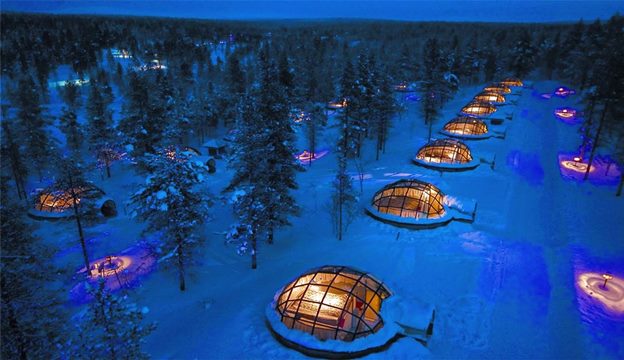
It is the destination of choice for those who want the full Finnish Lapland experience without the scale and energy of Levi or Rovaniemi. The landscape here is starker, wilder, and more demanding, and the reward is a feeling of genuine immersion in the Arctic that is increasingly difficult to find. Kakslauttanen Arctic Resort, home of the world’s first and most celebrated glass igloos, is located just a short drive away.
Credit: Saariselkä Finland
Kakslauttanen Arctic Resort
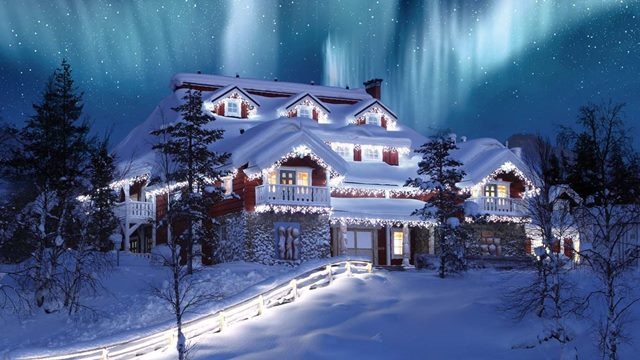
No single property has done more to shape the world’s image of Lapland in Finland than Kakslauttanen. Founded in 1973 by a man who ran out of fuel on a fishing trip and fell in love with the spot where he stopped, the resort has grown into a constellation of glass igloos, kelo log cabins, and snow igloos set deep in the wilderness north of the Arctic Circle.
The glass igloos are thermal glass domes that keep the interior warm while giving guests an unobstructed view of the night sky. They allow visitors to watch the Northern Lights from their beds, a combination of comfort and wildness that has made Kakslauttanen one of the most sought-after accommodations in the world. In summer, the resort transforms into a base for hiking the adjacent national park and experiencing the Midnight Sun. It is, simply, one of the most distinctive places to stay anywhere in Finnish Lapland.
Credit: Kakslauttanen
Pyhä-Luosto
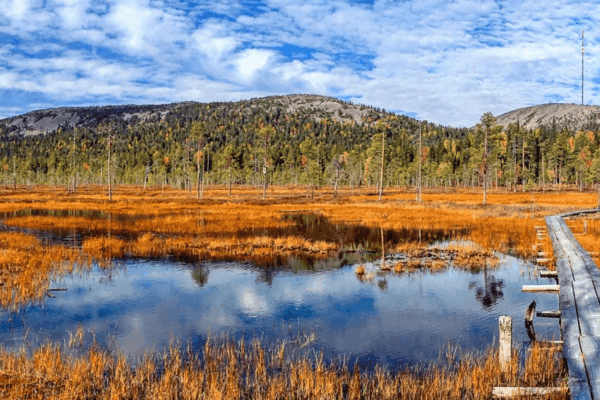
In the heart of southern Lapland, the twin fell resorts of Pyhä and Luosto offer a gentler, more intimate introduction to the Finnish wilderness. Pyhä-Luosto National Park surrounds both destinations with hiking trails, fell panoramas, and an ancient pine forest of extraordinary beauty.
Luosto is home to one of the world’s only tourist-accessible amethyst mines, where guided tours allow visitors to search for gems in the rock. The resort’s scale and atmosphere are quieter and more personal than Levi’s and more accessible than Saariselkä’s, which makes it particularly well-suited to families and first-time visitors to Finnish Lapland.
Credit: Lapland Private
Lake Inari
The third largest lake in Finland, Lake Inari, is a wilderness of water, islands, and shore that functions differently in every season. In winter, it freezes solid, becoming a platform for ice fishing, snowmobile safaris, and guided aurora tours across an expanse of white that seems to belong to another world entirely. In summer, boat cruises explore the lake’s thousands of islands, including the sacred island of Ukko, which holds deep significance in Sámi spiritual tradition.
Lake Inari is best experienced slowly with a local guide, over more than one day, and with genuine curiosity about the place and the people whose ancestors have lived beside it for millennia.

Credit: Visit Finland
Experiences Not to Miss
The Northern Lights
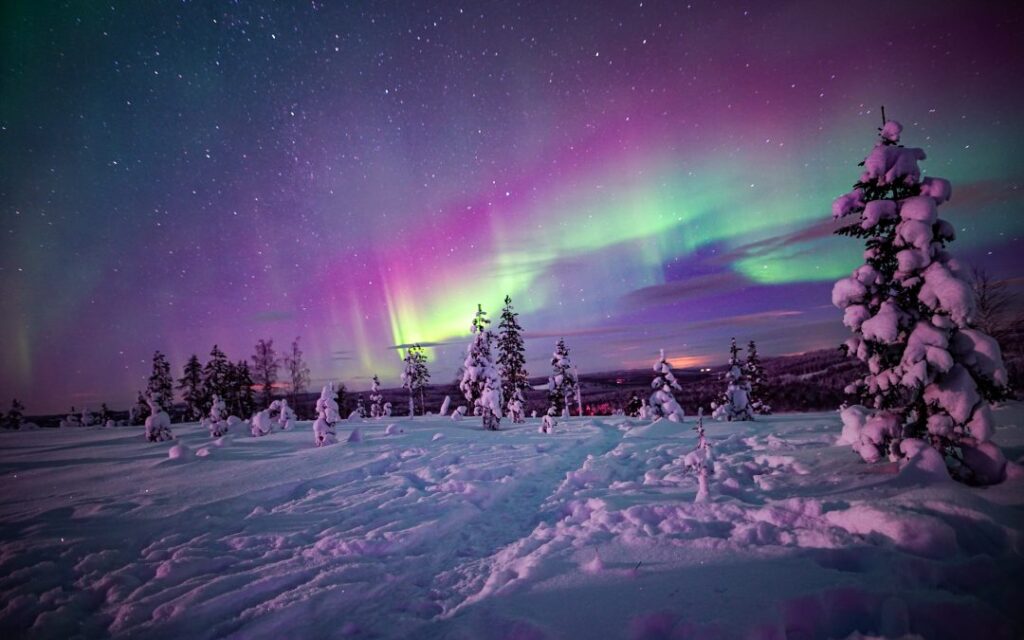
The aurora borealis is visible in Finnish Lapland from late August to early April, with the clearest and most active displays typically occurring in February and March. The lights appear when solar particles interact with the Earth’s atmosphere, and in Finnish Lapland, which lies beneath the Aurora Oval, the frequency and intensity of displays are among the highest anywhere in the world.
Visit Finland recommends staying at least three to four nights to give the aurora a reasonable chance of appearing. Many resorts and guides offer dedicated aurora-hunting services, driving guests away from artificial light to find the clearest conditions.
Credit: Wild About Lapland
Husky Safaris
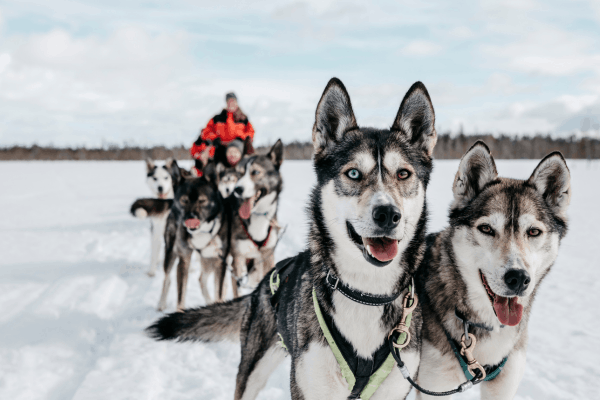
Dog sledding through the silent forests of Lapland is one of those experiences that earns its reputation fully. Local operators offer everything from short introductory runs to multi-day wilderness expeditions where you sleep in forest huts and wake to the sound of your team eager to move again. It is physical, joyful, and entirely unlike anything else.
Credit: Lapland Safaris Husky tours
Reindeer Sleigh Rides
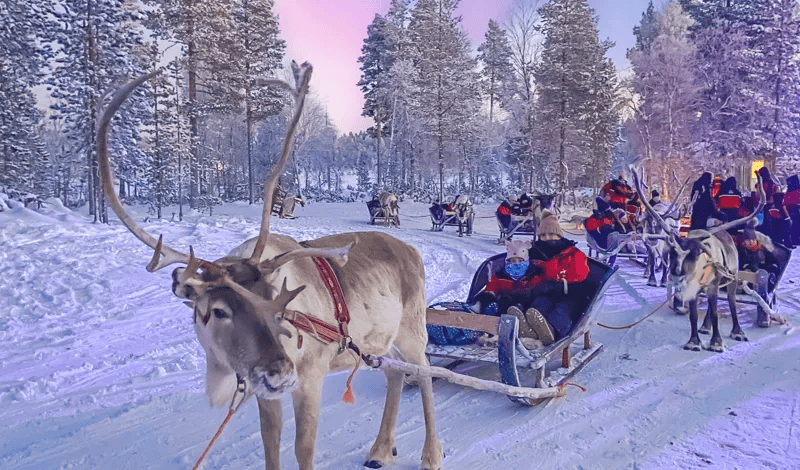
Reindeer herding has shaped Lapland culture, and particularly Sámi culture, for thousands of years. A sleigh ride with a local herder is both a genuine experience and a quiet act of connection with that history. The best providers are Sámi-run, small in scale, and deeply personal in character.
Credit: Santa’s Lapland
Finnish Sauna and Ice Swimming
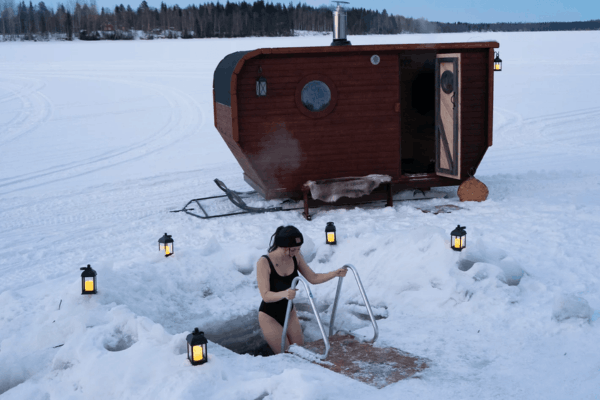
The Finnish sauna is not an amenity. It is a ritual, a philosophy, and a way of understanding the body’s relationship with cold and heat. In Lapland, the sauna experience reaches its fullest expression: stepping from a wood-fired smoke sauna into a hole cut in the ice of a frozen lake, under a sky that may be blazing with aurora, is among the most purely Finnish experiences available anywhere.
Credit: Arctic Attitude
The Midnight Sun
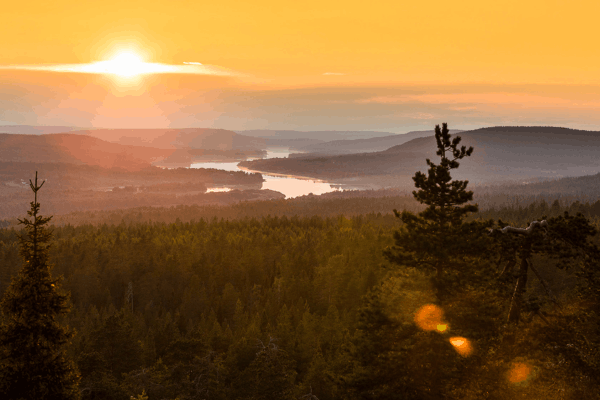
From late May to mid-July, the sun does not set in Finnish Lapland. The light is golden, low, and constant, turning midnight walks through fell landscapes into something dreamlike. Hiking, fishing, and simply sitting by a lake as the sun circles the horizon without descending are among the most quietly extraordinary experiences Lapland offers in summer.
Credit: Visit Rovaniemi
Santa Claus Village, Rovaniemi
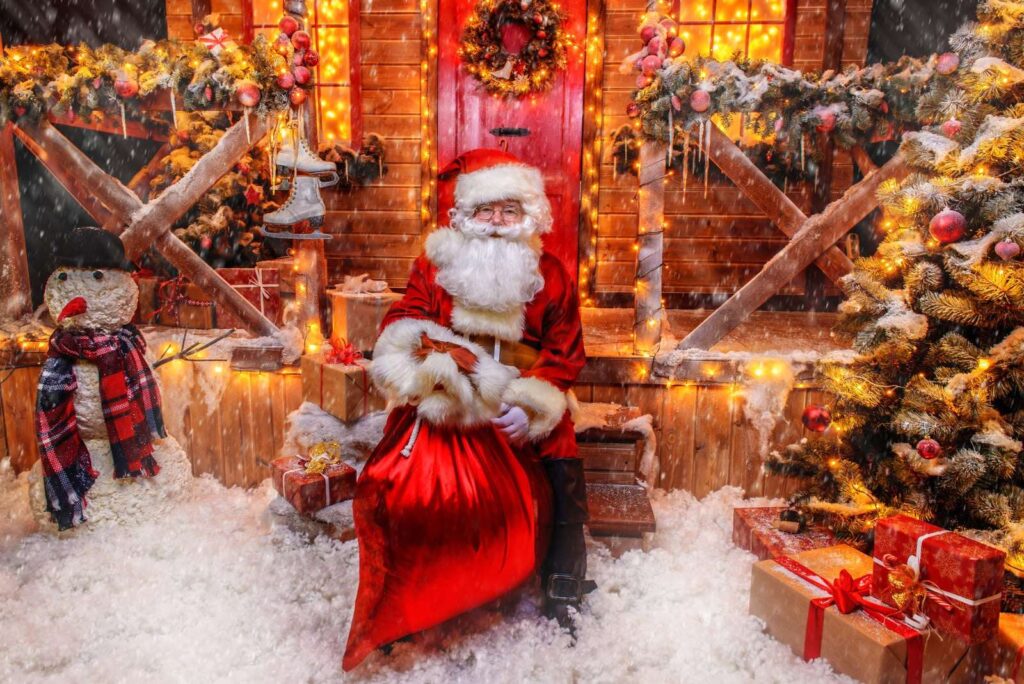
Whatever your feelings about Christmas, Santa Claus Village on the Arctic Circle deserves its iconic status. It is open year-round and offers a genuinely immersive experience, meeting Santa himself, crossing the Arctic Circle line, reindeer rides, snowmobile tours, and glass igloo accommodation within the village itself. For families with children, it is simply unmissable. For adults without them, it retains a warmth and sincerity that is surprisingly easy to surrender to.
Credit: Santa’s Village
Arktikum, Rovaniemi
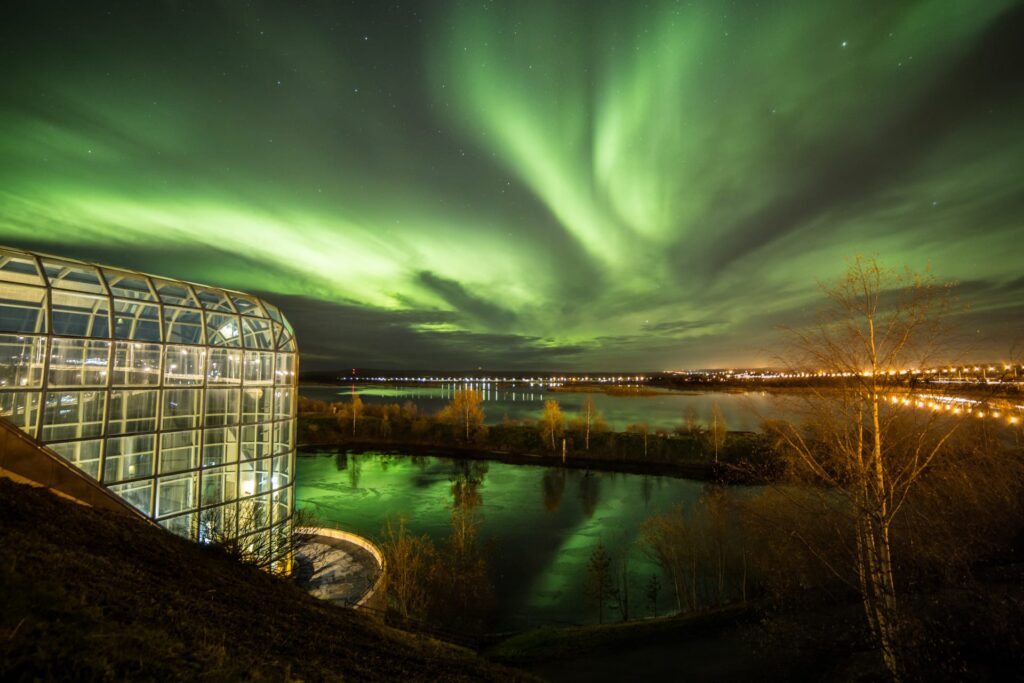
One of the finest museums in Finland, the Arktikum houses two institutions under one glass roof: a museum of the history and culture of Finnish Lapland, and a science centre dedicated to Arctic research. The building itself is a long glass tunnel reaching toward the Ounasjoki River and is architecturally remarkable. The exhibitions inside are among the most thoughtfully designed in the Nordic region.
Credit: Visit Rovaniemi
When to Visit Lapland in Finland
Finnish Lapland has no single best time to visit, only a best time for what you are seeking. Winter (November to March) brings the Northern Lights, snow activities, and the deepest sense of Arctic immersion. February and March balance good snow conditions with slightly more daylight and statistically clearer skies for aurora viewing. December is magical for families and those seeking the full Christmas experience, though it is the busiest and coldest month.
Spring (April to May) offers the extraordinary spectacle of snowmelt, reindeer calving, and the first true light returning to the landscape. Summer (June to August) brings the Midnight Sun and a Lapland that is green, alive, and entirely different in character from its winter self. Autumn (September to October) is perhaps the most underrated season of all: the fell landscape turns crimson, amber, and gold, which is a phenomenon known as ruska, and the Northern Lights return to dark skies.
Conclusion
Lapland in Finland is one of those destinations that quietly changes people. It does not overwhelm, it reveals. The silence teaches something. The light teaches something. The Sámi culture, if you approach it with genuine respect and openness, teaches something more still.
Whether you come for the aurora, the snow, the reindeer, or simply the feeling of standing in a landscape that asks nothing of you except attention, Finnish Lapland delivers with a generosity that is easy to underestimate until you are standing inside it.
If you’d like to experience the Nordic world with depth and intention, from the wilderness of Lapland to the design-rich cities of Finland and Scandinavia, explore our private Nordic tours crafted to take you further than a standard itinerary ever could.
FAQ
Is it expensive to go to Lapland?
Yes, Lapland can be expensive, especially in winter when demand is high for Northern Lights trips, husky sledging, and Santa experiences. Flights, accommodation, and activities add up quickly, but visiting outside peak season or booking early can help reduce costs.
Is Lapland a country or a city?
Lapland is neither a country nor a city. It is a region in Northern Europe that spans several countries. It is known for its Arctic landscapes, indigenous Sámi culture, and winter tourism.
Is Lapland only in Finland?
No, Lapland is not only in Finland. While Finnish Lapland is the most famous for tourism, the region also extends into Sweden, Norway, and a small part of Russia, covering a large Arctic area.
Which country owns Lapland?
Lapland is not owned by a single country. It is divided among Finland, Sweden, Norway, and Russia. Each country has its own section of Lapland, with Finnish Lapland being the most developed for tourism.