Iceland makes an immediate impression. As your plane descends over the Reykjanes Peninsula, black fractured rock stretches to the horizon. Steam rises from the ground. The sky blazes with light or shifts with colour. Instantly, you realise you’ve arrived somewhere astonishingly unique.
The question of what to do in Iceland is not a small one. This North Atlantic island, which is roughly the size of England but home to fewer than 400,000 people, contains waterfalls that you can walk behind, glaciers that you can hike across, geysers that erupt every few minutes, a capital city that punches far above its size, and a northern sky that performs its greatest spectacle between September and April. Time and budget are the only real constraints. The experiences are essentially limitless.
This guide covers the essential things to do in Iceland, organised from the capital to the South Coast and beyond, with enough detail to help you plan a trip that feels genuinely personal rather than simply ticked off a list.
Key Takeaways
- Iceland is a year-round destination with two distinct travel personalities: summer, characterised by long daylight hours, outdoor activities, and the Midnight Sun; and winter, featuring the Northern Lights, ice caves, and a dramatic, crystalline landscape.
- Reykjavik is the natural base for most visitors and is far more interesting than its reputation as a transit hub might suggest.
- The Golden Circle and South Coast are the country’s two most popular day-trip routes from the capital, each packing an extraordinary number of natural highlights into a single day.
- Iceland rewards slow travel. Rushing from attraction to attraction risks missing the quality of the silence, the light, and the sheer spatial drama of the landscape.
- Booking activities, tours, and popular accommodations well in advance is essential, particularly during the summer and around the Christmas and New Year’s period.
Start in Reykjavik
Hallgrímskirkja Church
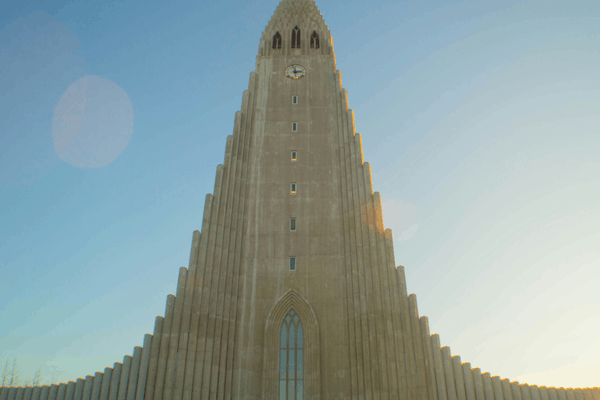
Every visit to Iceland’s capital begins, inevitably, at Hallgrímskirkja. It’s the 74.5-metre Lutheran church that dominates the Reykjavik skyline like a geological feature rather than a building. The church’s design was completed after 41 years of construction. It was inspired by the basalt lava columns found throughout Iceland which are the same hexagonal formations visible at Svartifoss waterfall and in volcanic landscapes across the country. The result is a facade of extraordinary visual power.
The interior is serene and spare, anchored by an enormous organ measuring 15 metres high. Climbing to the bell tower costs a small fee and rewards visitors with a 360-degree panorama of the city’s colourful rooftops, the mountains beyond, and the grey-blue expanse of Faxaflói Bay stretching west. It is the single best orientation point in Reykjavik, and one of the most photographed buildings in Iceland.
Credit: GLACIERS Photo
Harpa Concert Hall
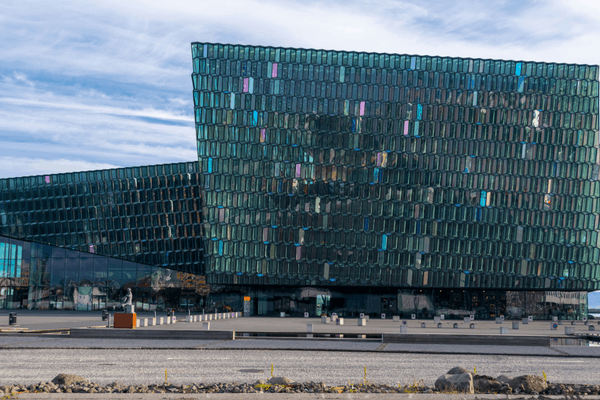
At the edge of the old harbour, Harpa is a building that seems to have been designed from the inside out. Its honeycomb glass facade, created in collaboration with artist Ólafur Elíasson, shifts colour as the light changes, reflecting the sky, the sea, and the mountains behind it in patterns that are never quite the same twice. It opened in 2011 and has since become one of Reykjavik’s defining architectural landmarks.
Inside, the Iceland Symphony Orchestra, the Icelandic Opera, and the Reykjavík Big Band all perform throughout the year. Even if you do not attend a concert, the building merits a visit simply to experience the lobby, the light, and the bay views from its upper levels. Timing a stay around an evening performance at Harpa is one of the most rewarding things to do in Iceland for those who value culture alongside landscape.
Credit: Steve Smith
Perlan
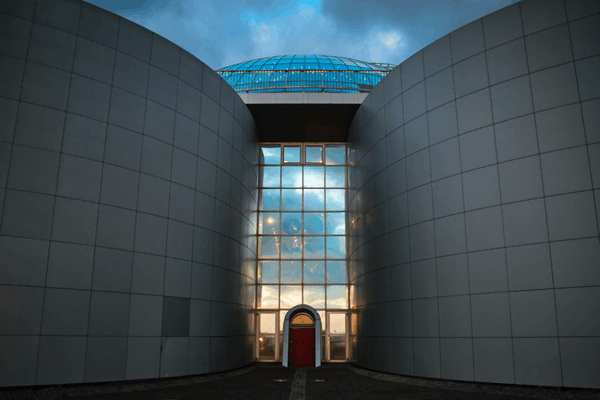
Perlan sits on a forested hill above the city in a glass-domed structure that was originally a collection of geothermal hot water tanks. Today, it houses one of the most thoughtfully designed museums in the country – a place where Iceland’s natural phenomena are presented with genuine scientific depth and extraordinary immersive technology.
The permanent exhibition includes a walk-through ice cave maintained at -10°C, a Northern Lights planetarium with an 8K projection system, interactive displays on volcanoes, glaciers, and the country’s bird and marine life, and a 360-degree observation deck with views across the city and surrounding landscape. Perlan is the single best introduction to the natural world of Iceland for anyone visiting the country for the first time, and a sensible first-day activity before setting out into the landscape itself.
Credit: Vidar Nordli-Mathisen
The Sun Voyager (Sólfarinn)
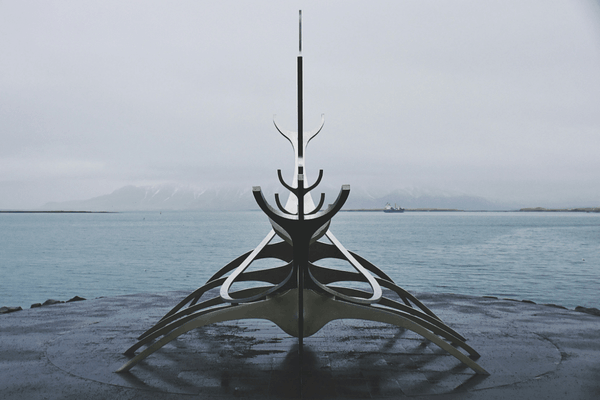
Along the waterfront between the city centre and Harpa, the Sun Voyager is a steel sculpture by Jón Gunnar Árnason depicting a Viking longboat sailing toward the horizon. It was unveiled in 1990 and has since become one of the most recognisable pieces of public art in Iceland. Not because it is grand, but because it is precise.
At sunset, when the light catches the steel against the mountains of the Snæfellsnes Peninsula across the bay, it becomes genuinely beautiful. It is free, always accessible, and best experienced in the early morning.
Credit: Sam Bark
The Settlement Exhibition (Landnámssýningin)
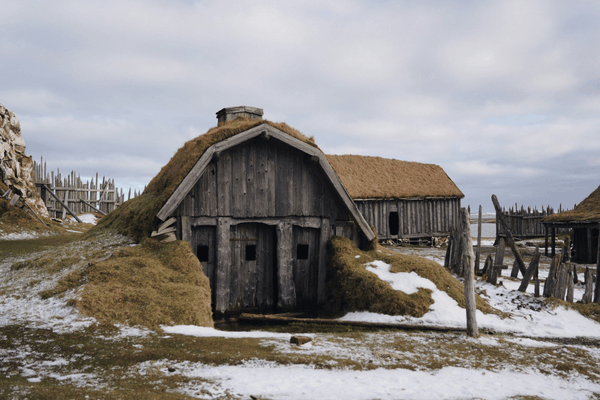
Beneath a hotel in central Reykjavik, the Settlement Exhibition was built around the remains of a Viking longhouse discovered during construction work in 2001. Dating to around 871 AD, it is one of the oldest human structures in Iceland, and the museum presents it with exceptional care.
It combines the original ruins with interactive displays, projections, and artefacts that bring the country’s earliest history to vivid life. For anyone interested in Norse and Icelandic history, this is among the most important and most underrated things to do in Iceland.
Credit: Gigi
Sky Lagoon
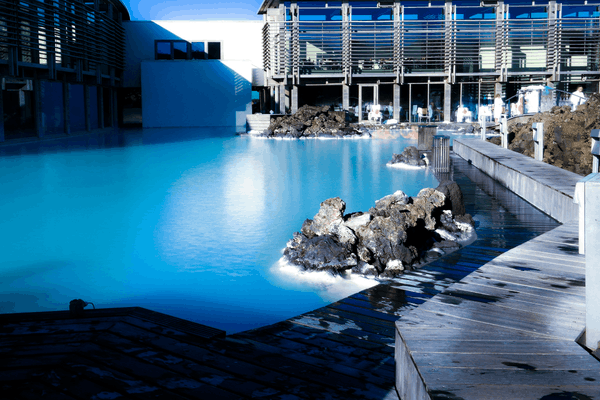
A newer addition to Reykjavik’s geothermal offering, Sky Lagoon opened in 2021 on the coast of Kópavogur, just minutes from the city centre. Its infinity pool looks directly out over the North Atlantic, with views on clear days stretching to snow-capped mountains on the horizon.
The seven-step ritual, which progresses through the steam room, cold plunge, sauna, mist and sky, is rooted in Icelandic bathing tradition and gives the experience a structure and intention that distinguishes it from a standard spa visit. Sky Lagoon is among the most atmospherically rewarding things to do in Iceland on an arrival evening after a long journey, or on a rainy afternoon when the landscape feels inaccessible.
Credit: Tucker Monticelli
The Golden Circle
Þingvellir National Park
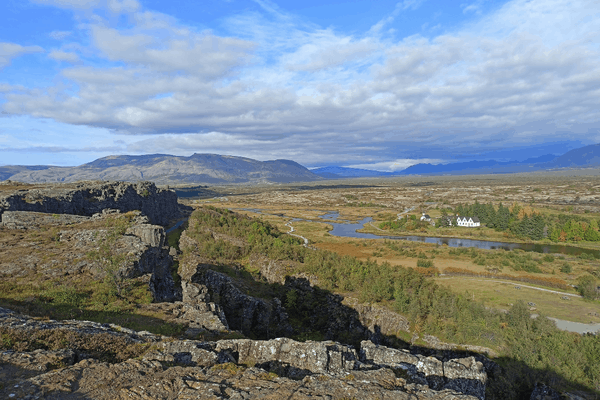
The Golden Circle is the approximately 300-kilometre loop that connects three of Iceland’s most celebrated natural and historical sites. It begins most naturally at Þingvellir (Thingvellir), one of the most significant locations in the country.
It holds two distinctions that are individually remarkable and together almost impossible to comprehend: it is a UNESCO World Heritage Site, designated for its geological and historical importance, and it sits directly on the Mid-Atlantic Ridge. The tectonic boundary is where the North American and Eurasian plates are slowly pulling apart.
The Alþing, Iceland’s parliament, met at Þingvellir from 930 AD until 1798, making it one of the oldest parliamentary sites in the world. The great rift valleys that run through the park are the visible evidence of the tectonic division – some wide enough to walk through, others filled with water of extraordinary clarity.
Silfra, the fissure between the two continental plates, is one of the few places on earth where you can snorkel or dive in the gap between tectonic plates, with visibility of up to 100 metres through glacially filtered water at a constant temperature of around 2 to 4°C.
Credit: Zuzana K
The Geysir Geothermal Area
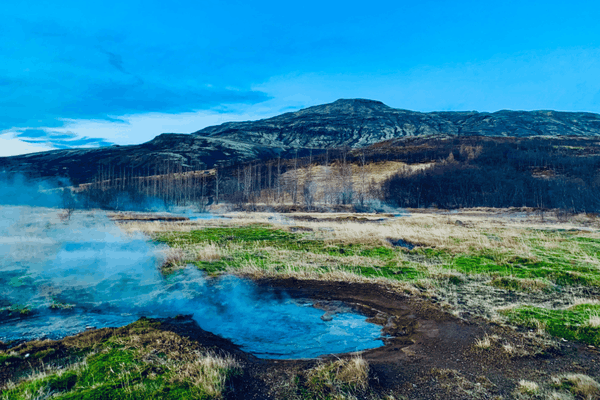
The word “geyser” comes directly from Iceland, specifically from Geysir, the now-dormant hot spring at this geothermal field that once erupted to heights of 60 metres. Geysir itself is no longer reliably active, but Strokkur, its smaller, more punctual neighbour, erupts every five to ten minutes, shooting a column of boiling water 15 to 30 metres into the air in a burst of steam and sound that never quite loses its capacity to surprise.
The surrounding geothermal area is alive with bubbling mud pools, mineral-stained ground, and small geysers of varying sizes. It is one of the most visually dynamic landscapes in Iceland, and one that changes character depending on whether you visit in summer sunlight, autumn mist, or winter snow. The Geysir visitor centre and surrounding facilities make it an accessible stop even for those with limited time or mobility.
Credit: Joey Clover
Gullfoss Waterfall
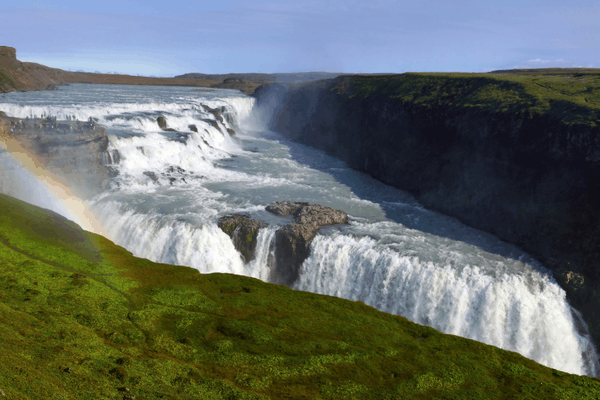
A few kilometres east of Geysir, Gullfoss (the Golden Falls) is one of the most powerful waterfalls in Europe. The Hvítá river drops in two stages into a deep canyon, with a combined drop of around 32 metres, generating a roar that can be heard from a significant distance and a permanent cloud of mist that often catches the light to form rainbows across the canyon.
In winter, the waterfall partially freezes. Ice formations build around its edges while the central torrent continues uninterrupted, creating one of the most dramatic natural spectacles in Iceland. In summer, the viewing paths allow you to stand close enough to feel the spray and hear the full force of the water. Either way, Gullfoss earns its place as the anchor of the Golden Circle and one of the essential things to do in Iceland.
Credit: Martti Salmi
The South Coast
Seljalandsfoss Waterfall
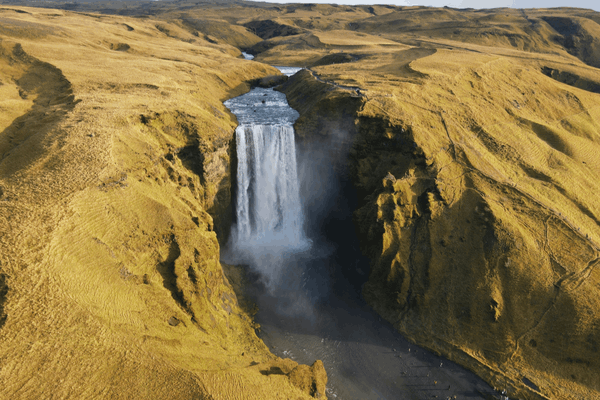
The South Coast of Iceland, stretching from Selfoss to the glaciers of the southeast, contains a concentration of natural wonders that would take multiple visits to fully absorb. The first major stop heading east from Reykjavik is Seljalandsfoss. It’s a 60-metre waterfall that distinguishes itself from Iceland’s many other waterfalls by a single extraordinary feature: you can walk behind it.
A path carved from the cliff face leads behind the curtain of falling water, giving visitors a view of the landscape through the cascade. It’s a perspective that is genuinely unlike anything else in the country. The path can be slippery and is sometimes closed in winter due to ice, but when conditions allow, walking behind Seljalandsfoss is one of the most quietly magical things to do in Iceland.
Credit: Antonios Papadopoulos
Skógafoss Waterfall
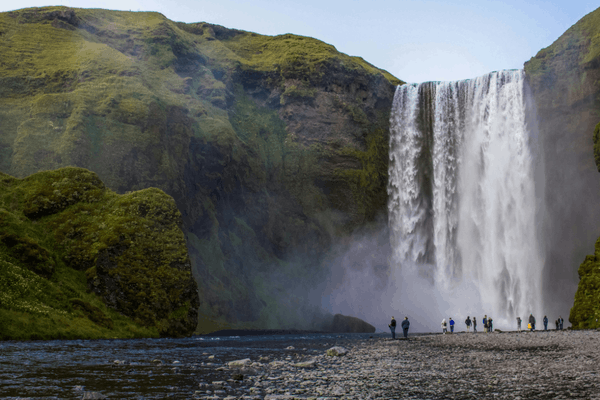
A short drive east, Skógafoss is one of the largest waterfalls in Iceland. It’s 25 metres wide and drops around 60 metres from the clifftop above. On sunny days, the mist it generates typically produces one or two visible rainbows, making it one of the most photographed locations in the country. A staircase of 527 steps leads to the top of the waterfall and the beginning of the Fimmvörðuháls hiking trail, which passes between two volcanoes, Eyjafjallajökull and Katla, before descending to Þórsmörk.
According to local legend, the first Viking settler in the area hid a chest of gold behind the waterfall. It has never been found. Whatever the truth of that story, Skógafoss earns its place on every list of what to do in Iceland through sheer, uncomplicated visual power.
Credit: Delaney Van
Reynisfjara Black Sand Beach
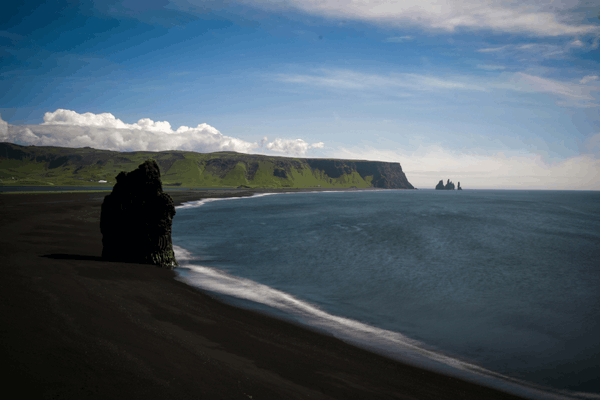
Near the village of Vík, Reynisfjara is arguably the most dramatic beach in Europe. The sand is jet black, a product of volcanic basalt, and the basalt column formations along the cliffside rise in hexagonal pillars that have been compared to organ pipes. The ocean here is wild and the undertow notoriously dangerous; signs throughout the beach warn visitors never to turn their backs on the waves. Several people have been swept away over the years, which makes the consistent pull toward the shoreline all the more unsettling and the landscape all the more powerful.
The Reynisdrangar sea stacks – dark rock formations rising from the surf offshore – complete a scene of gothic, elemental beauty. For first-time visitors, Reynisfjara is consistently one of the most viscerally memorable things to do in Iceland, and a reminder of just how physically raw the country’s landscape can be.
Credit: Frugal Flyer
Jökulsárlón Glacier Lagoon
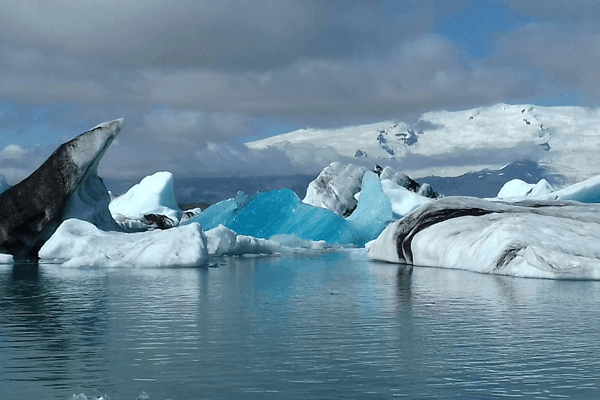
Known as the Crown Jewel of Iceland, Jökulsárlón is a glacial lagoon at the edge of Vatnajökull, Europe’s largest glacier, in the southeast of the country. Icebergs calve from the glacier and drift slowly through the lagoon before finding their way to the sea. Some are as large as multi-storey buildings, their surfaces catching the light in shades of white, pale blue, and deep azure. Seals are regularly spotted here, resting on the ice or swimming curiously around tour boats.
The lagoon did not exist before 1930. It formed as the glacier retreated and has quadrupled in size over the past 50 years – a beautiful place that is simultaneously a record of environmental change. Across the road, Diamond Beach is where pieces of ice wash ashore onto black sand, glittering in the light like scattered gemstones. Together, the two form one of the most photographed natural settings in Iceland and, for many visitors, the single most unforgettable thing they see in the entire country.
Jökulsárlón is approximately five hours from Reykjavik by car, making it a long day trip or a better two-day journey if you want to explore the South Coast fully along the way.
Credit: Russell Moore
Natural Wonders and Adventures
Seeing the Northern Lights
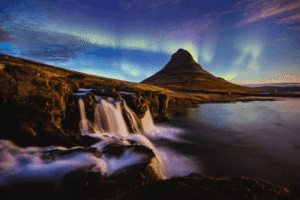
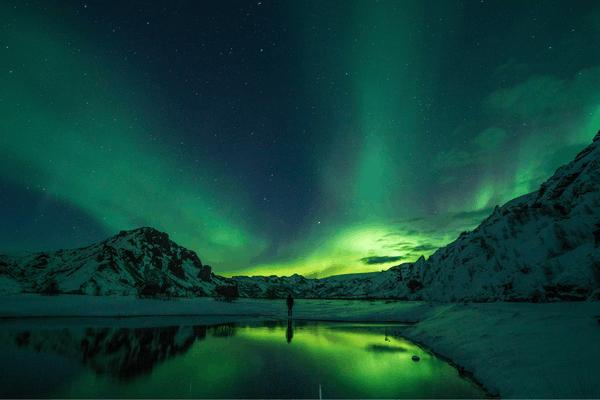
Arguably the most sought-after thing to do in Iceland, the Northern Lights (aurora borealis) are visible from late August to early April across the country, with the clearest and most active displays typically occurring between October and March. Iceland’s location beneath the Aurora Oval makes it one of the best places on earth to observe the phenomenon. On clear nights with sufficient solar activity, the lights appear as curtains and columns of green, sometimes edged with violet or pink, moving silently across the sky.
The key requirements are darkness, clear skies, and some distance from artificial light pollution. Staying at least four or five nights significantly improves the probability of a sighting. Many of Iceland’s best-known accommodations, like glass igloo cabins, remote lodge hotels, and farm stays away from the capital, are specifically designed around aurora viewing.
Credit: Jonatan Pie
Glacier Hiking
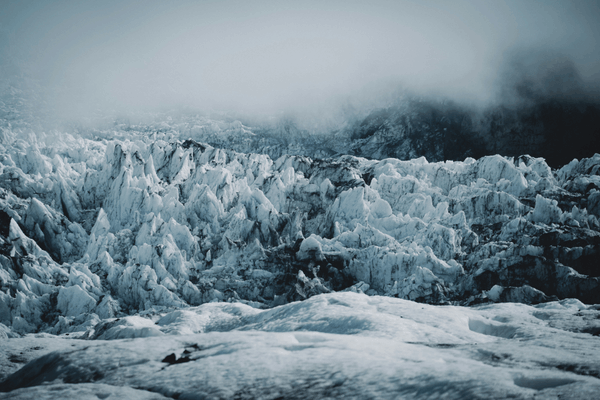
Iceland has more glaciers per square kilometre than any other country in Europe outside Svalbard, and hiking on one is among the most genuinely otherworldly things to do in Iceland. Sólheimajökull, on the South Coast, is the most accessible. It’s a subsidiary outlet of the Mýrdalsjökull ice cap, reachable from the main Ring Road and offering a range of guided tours from short introductory hikes to full-day crampons-and-ice-axe expeditions.
The ice is never uniformly white. Blues and greys streak through the surface; crevasses and formations create a constantly changing terrain; and the scale of the glacier, even one that is retreating, impresses itself on you in a way that photographs never quite capture. All glacier hikes must be undertaken with a certified guide. Going alone is both dangerous and illegal.
Credit: Thomas Fatin
The Blue Lagoon
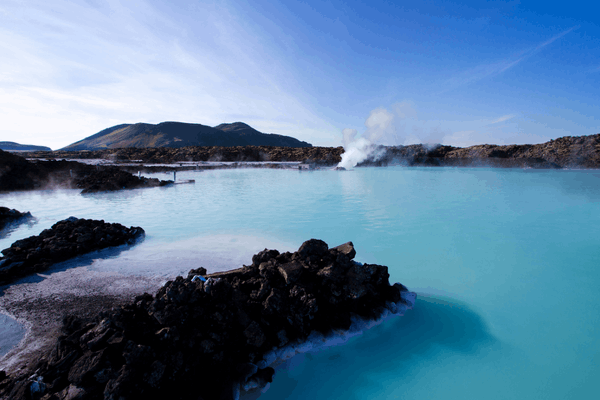
The Blue Lagoon is, by most measures, the most famous attraction in Iceland, and it earns that status while also being almost impossible to visit without planning. Set in a lava field on the Reykjanes Peninsula, roughly 45 minutes from Reykjavik and 20 minutes from Keflavik Airport, the geothermal spa is built into a landscape of black rock and white steam that feels genuinely Martian.
The water, technically a by-product of the nearby Svartsengi geothermal plant, is mineral-rich, silica-milky in appearance, and maintained at around 38°C year-round. The complex includes bathing areas, steam caves, a silica mud bar, an in-water bar, and a restaurant. The Retreat at the Blue Lagoon, the on-site luxury hotel, has its own private section of the lagoon.
Booking well in advance is not merely advisable – it is essential. The Blue Lagoon operates on a fully timed-entry system and sells out weeks ahead during peak season. Visiting on arrival or departure, given its proximity to the airport, is a genuinely practical and deeply satisfying way to begin or end an Icelandic trip.
Credit: F D
Snorkeling Silfra in Þingvellir
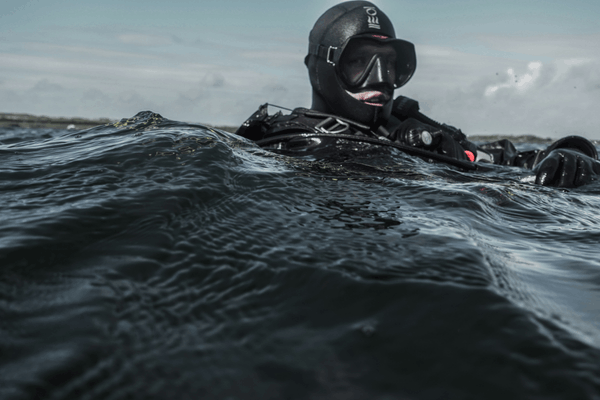
One of the most distinctive things to do in Iceland, and one that is genuinely impossible to replicate anywhere else on earth, is snorkelling or diving in the Silfra fissure at Þingvellir. The water, filtered through volcanic rock over decades, achieves a clarity of up to 100 metres visibility. The fissure itself runs between the North American and Eurasian tectonic plates, which means that at one specific point in the dive, you can stretch your arms out and touch both continental plates simultaneously.
The water temperature hovers around 2 to 4°C year-round, meaning that dry suits are mandatory. No previous diving experience is required for the snorkelling option. The combination of the extraordinary water clarity, the geological surrealism of the setting, and the physical challenge of the cold makes Silfra one of the most talked-about experiences Iceland offers.
Credit: Mitchel Wijt
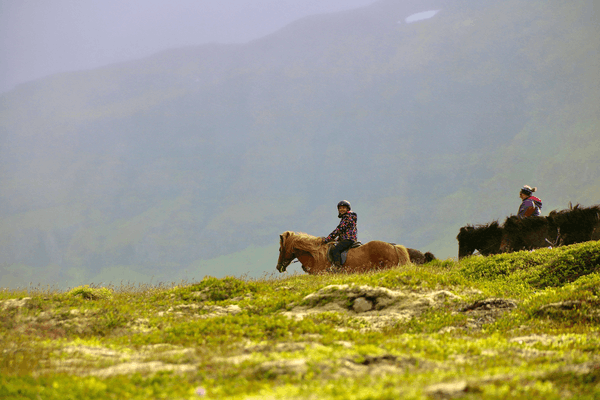
Icelandic Horse Riding
The Icelandic horse is a breed entirely its own – compact, sturdy, long-maned, and uniquely capable of two gaits not found in other horses. The tölt, a smooth four-beat gait, allows the horse to travel quickly across uneven terrain without the bouncing motion of a trot, making Icelandic horse riding a genuinely different experience from standard equestrian tourism.
Horse farms offering guided riding tours operate across the country, from lava fields near Reykjavik to highland routes on the Snæfellsnes Peninsula. Riders of all experience levels are catered for, and the combination of the horse’s unusual movement with Iceland’s dramatic landscapes makes this one of the most quietly extraordinary things to do in the country.
Credit: Jorge Fernández Salas
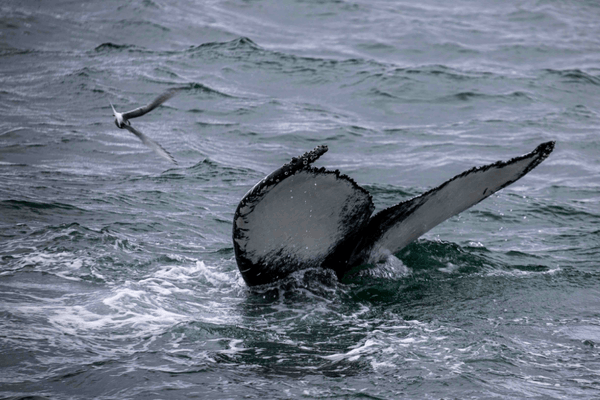
Whale Watching
Iceland is one of the world’s premier whale watching destinations. Húsavík, in the north of the country, is considered the whale watching capital of Europe, with sighting rates of 97–99% between April and October and the occasional appearance of blue whales. They are the largest animals ever to have lived on Earth. Tours from Reykjavik’s old harbour are also popular and accessible, particularly for those not travelling the Ring Road.
The most commonly sighted species are humpback whales, minke whales, and white-beaked dolphins. Puffins are often visible in the same waters during summer, adding a different kind of wildlife encounter to the boat trip. Whale watching is not a winter activity in most parts of Iceland, but summer tours from Húsavík remain one of the essential things to do in Iceland for anyone who visits between May and September.
Credit: Bernd Dittrich
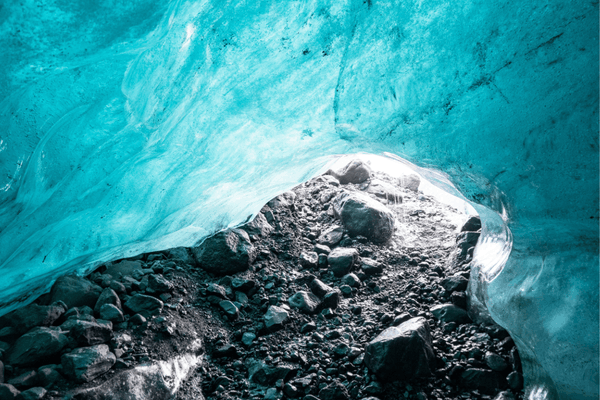
Exploring Ice Caves
Between November and March, the glaciers of southeastern Iceland become accessible through a network of naturally formed ice caves. The Crystal Ice Cave, found within Vatnajökull glacier, is the most celebrated – a tunnel of compressed, ancient ice that has lost all its air bubbles, turning the walls a deep, luminescent blue that cannot be replicated in photographs. Guided ice cave tours from the town of Jökulsárlón or from Skaftafell operate throughout the winter season, and no previous experience is required.
The caves form in late autumn as temperatures drop and the meltwater channels inside the glacier freeze solid, creating temporary structures that are passable until spring. Each year they are different shapes, different colours, and different routes. An ice cave tour is one of the most purely visual things to do in Iceland in winter, and for many visitors, the single experience that defines the trip.
Credit: Yves Cedric Schulze
Beyond the Capital: Regional Highlights
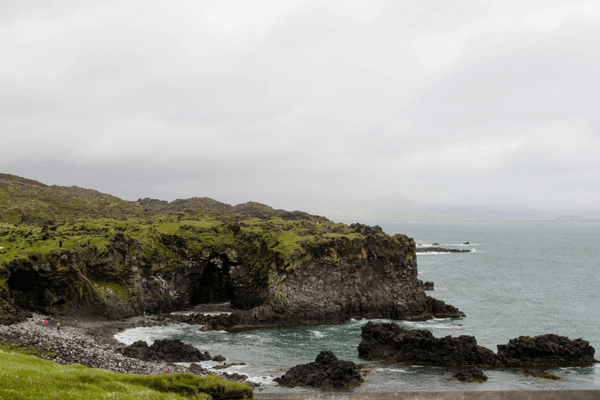
Snæfellsnes Peninsula
Often called Iceland in Miniature, the Snæfellsnes Peninsula packs an extraordinary range of landscapes into a 100-kilometre stretch of land west of Reykjavik. At its tip, the Snæfellsjökull glacier caps a dormant volcano that Jules Verne chose as the entrance to the earth’s interior in Journey to the Centre of the Earth, a detail that feels entirely appropriate once you see the place.
The peninsula offers black lava beaches, seabird cliffs, fishing villages, lava tube caves, and the glacier itself, which can be explored on a snowmobile or on foot with a guide. It is one of the most complete day trips from Reykjavik and one of the best introductions to Iceland’s diversity for those with limited time.
Credit: Soff Garavano Puw
Lake Mývatn and the North
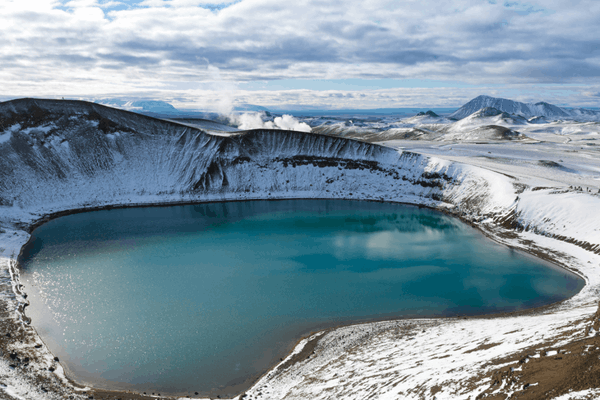
Lake Mývatn in northern Iceland is one of the country’s most geologically active regions. It’s a landscape of pseudo-craters, lava formations, boiling mud pools, and the extraordinary Dimmuborgir lava field, where twisted columns of rock create a maze of passageways that local folklore associates with trolls and hidden worlds. The Mývatn Nature Baths offer a geothermal bathing experience that is quieter and less commercialised than the Blue Lagoon, with views over the steam-wreathed lake and surrounding volcanic landscape.
The north is also where you will find Akureyri, Iceland’s second city, which maintains a warmth and cultural richness that surprises most visitors, and Húsavík, the whale watching capital already described above. Travelling north takes you into a different register of Iceland that is less visited, more expansive, and in many ways more genuinely wild.
Credit: Philipp Wüthrich
The Ring Road
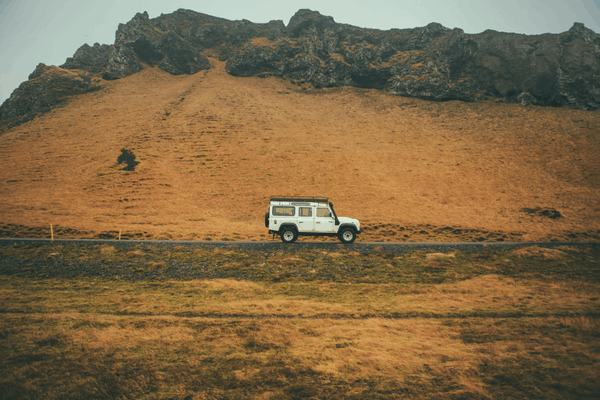
For those with a week or more, driving the Ring Road Route 1, which circumnavigates the entire island for approximately 1,332 kilometres, is one of the great road trips on earth. The route passes through every major landscape type in Iceland: lava fields and waterfalls, fjords and highland passes, fishing villages and geothermal valleys. It crosses regions where there are no other cars for hours at a time, and passes through towns where a single guesthouse and a petrol station constitute the entire settlement.
The Ring Road is best driven in summer, when all roads are accessible, and the light is extraordinary. In winter, highland detours are impossible, and some sections require 4WD vehicles, but the route itself remains passable, and the experience of driving it in snow and near-darkness carries its own particular power.
Credit: Tim Trad
Food, Culture, and the City
Eating and Drinking in Reykjavik
Reykjavik’s food scene has undergone a quiet revolution over the past decade, and it is now one of the most interesting small-capital dining destinations in Europe. The city punches consistently above its size in terms of restaurant quality, with a strong emphasis on Icelandic ingredients such as lamb, Arctic char, skyr, langoustine, and a wide range of foraged plants and berries.
The Laugavegur shopping and dining street is the social spine of the city: boutiques, coffee shops, bars, and restaurants occupy a few hundred metres of brightly painted buildings. Stopping for a fika-adjacent coffee and cinnamon bun at one of its many cafés is one of the smallest and most reliable pleasures Iceland offers.
The famous Icelandic hot dog that is served with remoulade, raw and crispy onions, mustard, and ketchup from a stand near the old harbour, is genuinely one of the best hot dogs in the world. Made primarily from lamb rather than pork, it is a local institution that an American president once called the best in the world, which did nothing to diminish its appeal.

Credit: Andy Wang
The Golden Circle Experience at Fontana Geothermal Baths
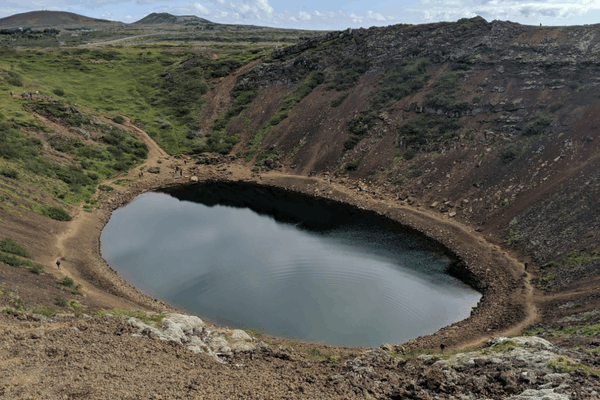
At Laugarvatn on the Golden Circle route, Fontana Geothermal Baths offer one of the most characterful geothermal bathing experiences in Iceland. The baths sit on a lakeshore above a geothermal spring, and the sight of steam rising from the ground a few metres from the water gives the place an immediacy that most spa facilities cannot replicate. Fontana also bakes its rúgbrauð (traditional Icelandic dark rye bread) in the geothermal heat of the ground itself, and serves it warm with Icelandic butter as a signature experience. It is a small detail, but an entirely Icelandic one.
Credit: Thomas Isbister
When to Visit Iceland
Iceland genuinely rewards a visit at any time of year, but the experience differs substantially between seasons. Summer (June to August) offers near-continuous daylight, all roads open, the full range of outdoor activities, and the Midnight Sun, which is the phenomenon by which the sun does not set for weeks at a time in mid-June. This is peak season: accommodation and tours book up months in advance, and prices are at their highest.
Winter (November to March) brings the Northern Lights, ice caves, and a dramatically different landscape. Fewer visitors means lower prices and a quieter experience of the country’s most celebrated sites. The trade-off is limited daylight. Reykjavik has fewer than five hours of daylight in December, and some roads and attractions are inaccessible.
The shoulder seasons of late September/October and April/May offer a considered middle ground: better aurora visibility than summer with more daylight than deep winter, and a quality of golden light that many photographers consider the best of the year.
Conclusion
Iceland is a country that defies reduction. No single list of what to do in Iceland fully captures the breadth of what the island offers, because so much of what makes it extraordinary is not the specific attractions but the texture of the experience between them. It’s the quality of the silence, the particular drama of the sky, the feeling of standing in a landscape that is still being made.
Whether you come for the Northern Lights or the Midnight Sun, the glacier hikes or the geothermal baths, the Viking history of Þingvellir or the post-apocalyptic beauty of Reynisfjara, Iceland will give you more than you came for. It always does.
If you’d like to explore Iceland and its most remarkable landscapes, discover our custom Icelandic tours crafted to take you deeper into the places that deserve it most.
FAQ
What are the top five things to do in Iceland?
Top things to do include exploring the Golden Circle, visiting waterfalls like Seljalandsfoss, relaxing in the Blue Lagoon, seeing glaciers, and chasing the Northern Lights in winter.
Is 3 days enough time in Iceland?
Yes, 3 days in Iceland is enough to see highlights like Reykjavík, the Golden Circle, and maybe a waterfall or two. However, it’s a quick trip. 5–7 days is better if you want to explore more of the country.
What’s the best month to visit Iceland?
The best time depends on your goals. June to August offers long daylight hours and easier travel, while September to March is best for Northern Lights. Shoulder months like May and September offer fewer crowds and decent weather.
What activities do people do in Iceland?
Popular activities include glacier hiking, whale watching, visiting volcanoes, soaking in hot springs, and road-tripping along the coast. Outdoor adventures dominate, making Iceland a top destination for nature lovers and photographers.